When JBS, the world's largest meat company, announced its expansion into Nigeria in 2024, it promised to build at least six slaughterhouses across the African continent—the Brazilian beef giant's first foray into Africa, backed by a $2.5 billion investment that represents nearly half of its broader $6 billion global expansion plan. But the company has offered little transparency about what this sprawling industrial operation will actually look like or how it will affect the landscape and communities already living on the land.
This silence has prompted a legal challenge that may reshape how multinational corporations disclose their environmental and human rights risks. In April, Greenpeace International sent a formal letter to JBS alleging violations of Dutch duty-of-care law—a responsibility the company inherited when it reincorporated in the Netherlands as part of its April 2024 listing on the New York Stock Exchange. The letter demanded that JBS provide detailed information about its Nigeria expansion plans, the environmental and human rights impacts it has assessed, and the measures it intends to take to prevent harm. On May 21, JBS refused, saying the letter "ignores both the pressing need for food security and the aim for food independence in local markets around the globe."
The stakes are significant. A recent analysis found that JBS's methane emissions exceeded those of Shell and ExxonMobil combined in 2023—a staggering figure that underscores the company's outsized role in driving climate change. The company has a long history of links to deforestation in the Amazon rainforest and has faced multiple lawsuits for making climate promises that conflict with its actual business practices. Now, environmental advocates and Nigerian civil society groups are asking what comes next when that same company brings its industrial-scale operations to a continent already facing food insecurity and where pastoralist communities depend on rural land for their livelihoods.
"It's a bridgehead into a growing continent," said Alex Wijeratna, an attorney with Mighty Earth, which has tracked JBS's environmental record for years. "What are the terms of this investment? What analysis have they done? What information have they released into the public domain? What kind of impact will that have on landscapes, deforestation?" Richard Brown, a Greenpeace International attorney, put it more directly: "They've been remarkably opaque."
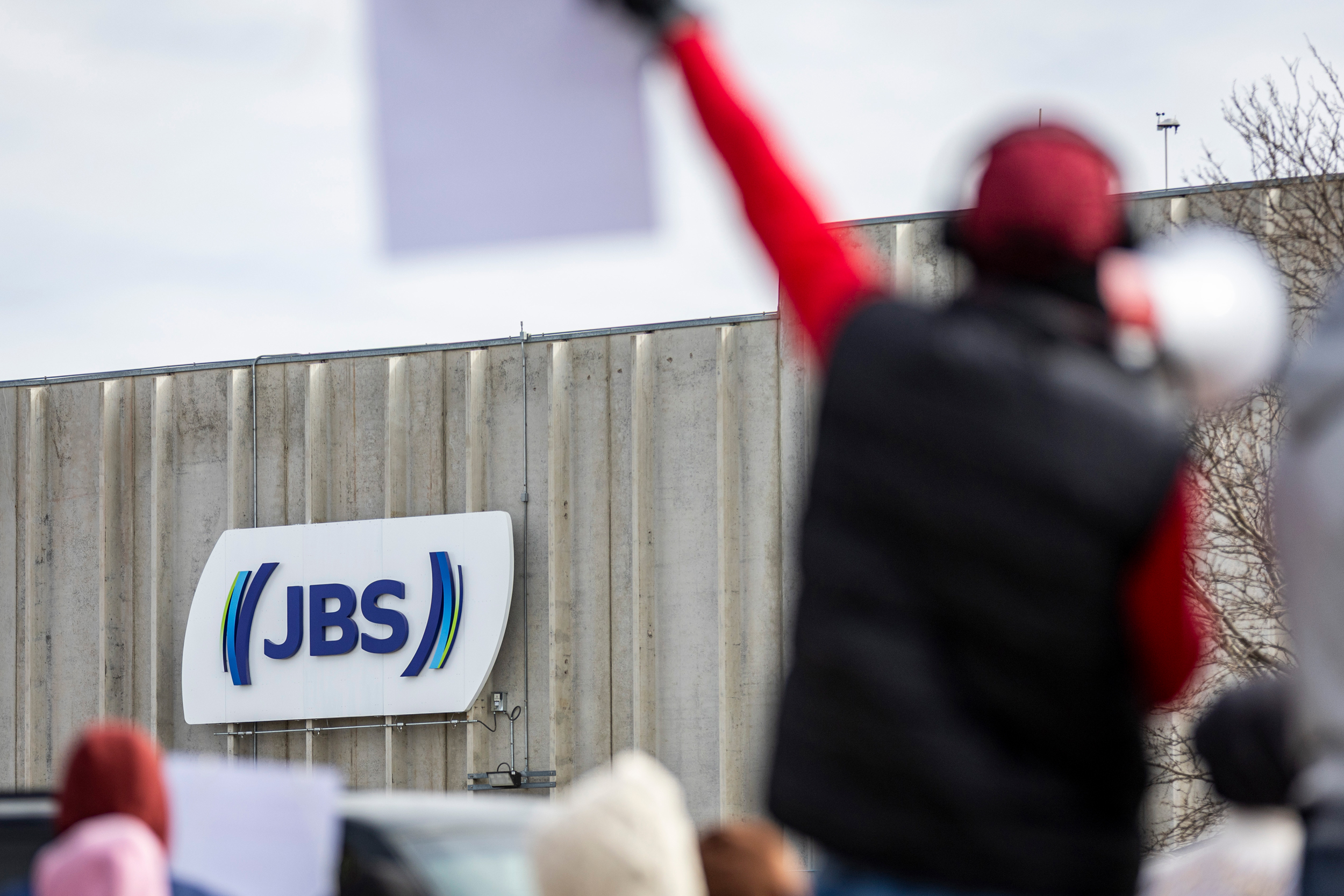
The company's decision to reincorporate in the Netherlands may have been a strategic error. Dutch law imposes a "duty of care" on corporations that encompasses harms caused by greenhouse gas emissions and requires companies to respect human rights, including the right to a clean, healthy and sustainable environment. This legal framework gives Greenpeace a concrete mechanism to demand answers. The April letter, sent on the day of JBS's first annual shareholder meeting in the Netherlands—where protesters gathered with a banner reading "JBS: Keep your bloody business out of Africa"—represents the first formal step toward a potential lawsuit.
What happens next remains uncertain. JBS has refused to disclose the details Greenpeace requested, but Dutch law provides a pathway for the advocacy group to compel transparency through the courts. For communities in Nigeria and elsewhere watching this unfold, the outcome could determine whether the world's largest meat company faces genuine accountability for the environmental and human rights consequences of its expansion, or whether opacity and corporate power prevail.