As Pep Guardiola steps away from Manchester City after a decade in charge, the true measure of his tenure isn't just the silverware—it's the imprint he's left on the sport itself, cascading from the Premier League down to grassroots pitches across England. Guardiola's transformation of English football mirrors the legacy of Johan Cruyff, his own great mentor, who once told him: "Winning is just one day. A reputation will last a lifetime."
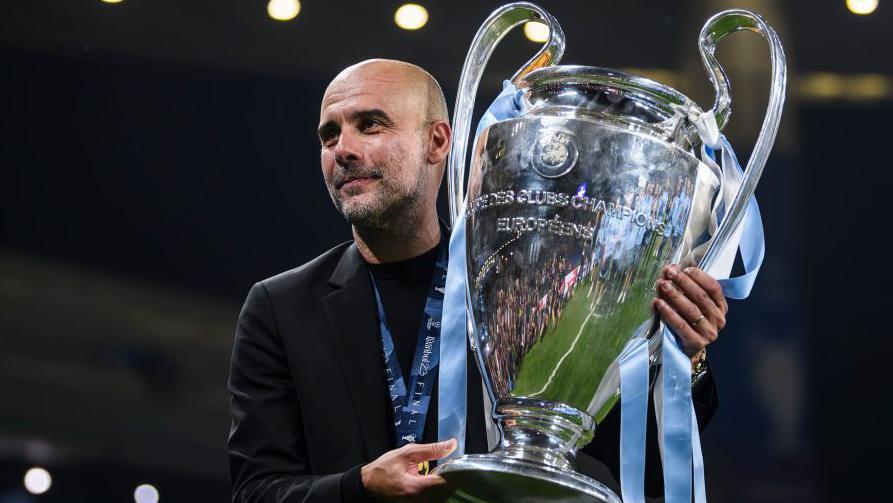
That reputation will, indeed, last forever. Over ten years at City, Guardiola won six Premier Leagues, the Champions League, three FA Cups, five League Cups, the UEFA Super Cup, and the FIFA Club World Cup—all executed with a distinctive philosophy rooted in possession-based football and tactical innovation. Yet what makes his departure significant isn't just what he won, but how his methods have been studied, copied, and adopted across every level of the game, from elite clubs to junior coaching academies.
The ripple effect is profound and visible everywhere. Mikel Arteta, now on the verge of winning the Premier League with Arsenal, received his first senior coaching role as Guardiola's assistant. Enzo Maresca worked under him before leading Leicester City back into the Premier League and winning the Europa Conference League and FIFA Club World Cup at Chelsea. Luis Enrique worked with Barcelona's junior teams under Guardiola's watch before succeeding him and winning the Champions League in 2015—and has since claimed it again with Paris Saint-Germain. Vincent Kompany learned from Guardiola while serving as Manchester City's captain and now flourishes at Bayern Munich. Xabi Alonso, freshly appointed Chelsea manager, worked under him at Bayern Munich. These aren't isolated successes; they're evidence of a coaching ecosystem that has become synonymous with Guardiola's influence.
But his legacy extends far beyond the names of those who've worked directly with him. Watch football at any level today and you'll see his fingerprints: goalkeepers trained to be comfortable with their feet, full-backs inverted into midfield to control possession, forwards dropping deep in "false nine" positions to drag defenders out of play. The style he pioneered—built on a "six-second rule" to regain lost possession and meticulous orchestration of movement—has become a blueprint that coaches across Europe have embraced, however imperfectly they may execute it.
Guardiola himself has expressed the philosophy simply: "I need my team to have possession. You can lose with possession, but more likely you will lose with less possession." This conviction, inherited from Cruyff and refined through decades of tactical experimentation, has reshaped how the modern game is taught and played at all levels.
What sets Guardiola apart is that he hasn't just dominated his era—he's shaped the era that will follow. His removal of world-class players from orthodox positions, his reimagining of how teams should move and possess the ball, his insistence on technical excellence from every player—even goalkeepers—have become non-negotiable standards. As he departs Manchester, the game he's transformed will continue bearing his imprint for decades to come, a monument to what one visionary coach can achieve when given the resources and patience to implement his philosophy completely.