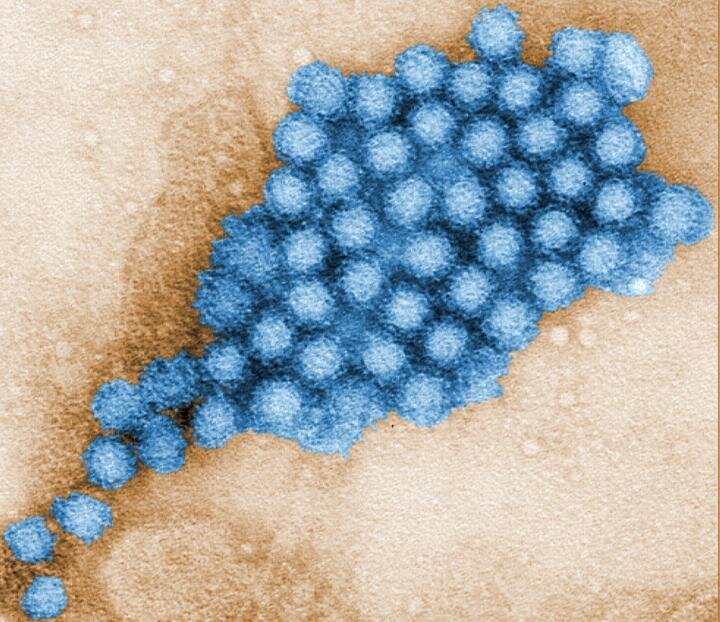
Arya Ökten was hunched over a lab bench in New Haven, pipetting tiny volumes of mRNA into lipid nanoparticles, when she realized they might just have cracked a decades-old medical mystery: how to stop norovirus in its tracks. The virus, which sickens over 680 million people each year and earns its nickname 'stomach flu' with brutal efficiency, has long resisted vaccines and antivirals. But in a breakthrough at Yale School of Medicine, Ökten and her team discovered that protection doesn’t come from the bloodstream—it starts in the gut. Their study, published in Science Translational Medicine, reveals that mucosal IgA antibodies, which reside in the intestines, are not just helpful but essential in blocking norovirus infection. This shifts the entire paradigm of vaccine design, which has historically focused on IgG antibodies circulating in the blood.
For years, scientists puzzled over why natural immunity to norovirus seemed to develop slowly and inconsistently. The Yale team found that while IgG antibodies appear quickly after infection, they offer little defense. Instead, it’s the delayed but durable IgA response in the gut that confers lasting protection. Using genetically engineered mice, they proved that B cells producing IgA were critical—mice without IgA lost all resistance to reinfection, even if they had previously beaten the virus. Most strikingly, when the researchers collaborated with Dr. Ted Kreider at the University of Pennsylvania to deliver mRNA-encoded anti-norovirus IgA via lipid nanoparticles, the treated mice were 100% protected from infection.
This isn’t just a lab curiosity—it’s a potential lifeline for the most vulnerable. Immunocompromised patients, including organ transplant recipients and those with chronic illnesses, can suffer norovirus infections for months or even years, trapped in a cycle of vomiting and dehydration with no approved antiviral to turn to. A therapy that delivers gut-targeted IgA could break that cycle. The mRNA approach, similar in concept to the COVID-19 vaccines but designed to act locally in the gut, opens a new frontier in mucosal immunology.
"One of the big challenges with norovirus is that there are no drugs or vaccines, but that's not simply due to lack of investment. It's due to our limited understanding of the biology and the immunology of norovirus infection," said senior author Dr. Craig Wilen, associate professor of laboratory medicine and immunobiology at YSM. Now, with a clear target and a working delivery mechanism, the path forward is clearer. The team is already exploring ways to test IgA-eliciting vaccine candidates in humans. If successful, this could mean the first effective shield against a virus that has evaded science for too long—not with a pill or a shot alone, but with immunity that lives exactly where it’s needed most: in the gut.