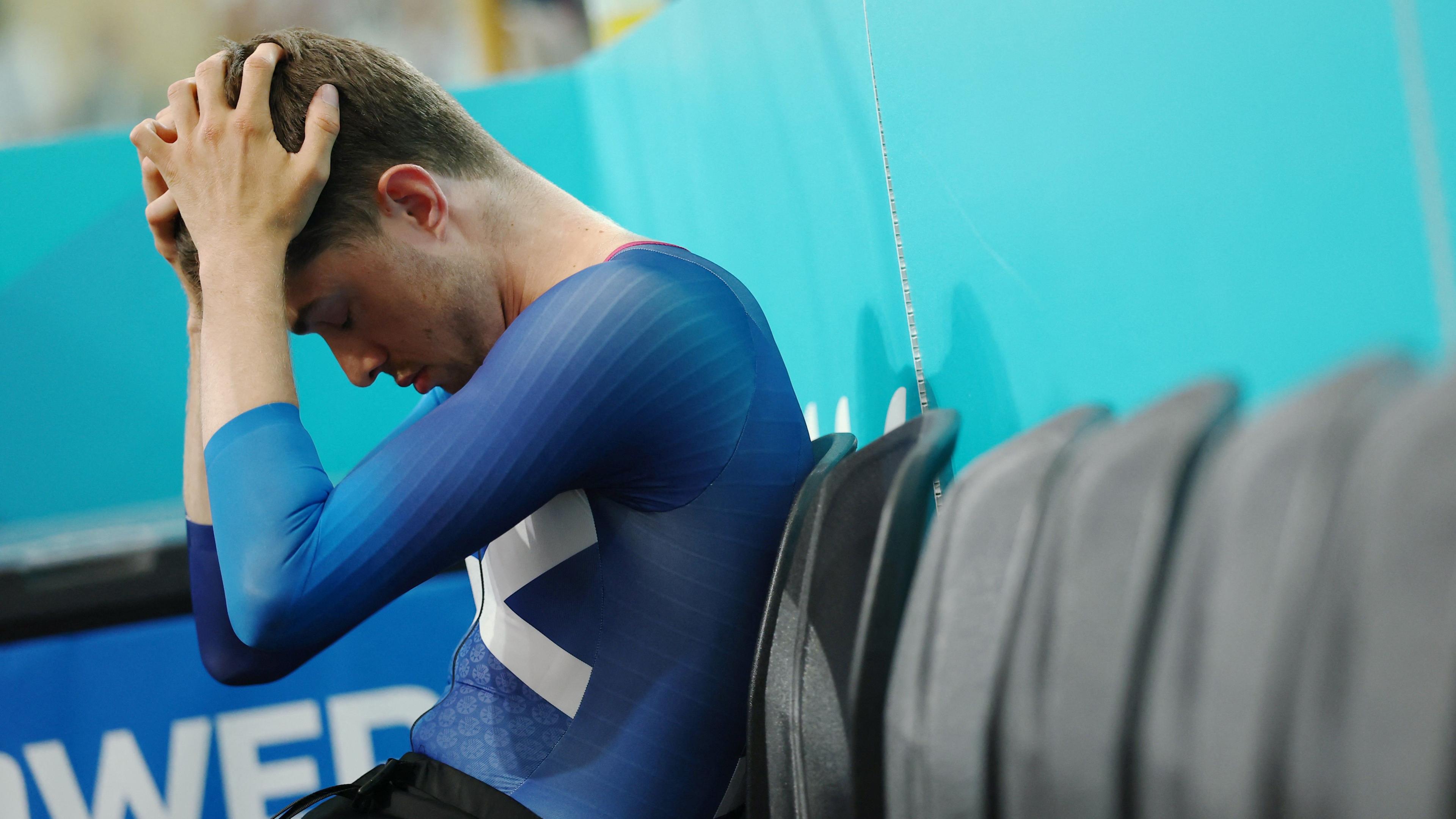
Fin Graham couldn't kid anyone. He didn't come for silver.
The 26-year-old Scottish para-cyclist had his heart set on gold at the Commonwealth Games in Glasgow, where he was competing on home soil. When the national anthem played and another nation's flag rose highest, Graham felt the sting of what he called a "once in a lifetime" opportunity slipping away.
"I'd be lying if I said gold wasn't what I wanted," Graham told BBC Sport Scotland. "It's a gutting feeling."
But here's what Graham's honesty reveals that deserves celebrating: he walked away with two medals from these Games. On Friday, he took bronze in the men's C1-3 1,000m time trial. By Sunday, he had upgraded to silver in the men's C1-3 3km individual pursuit, finishing behind England's Matthew Robertson.
The race itself didn't unfold the way Graham had prepared for. In para-cycling, athletes compete across different classifications based on their physical abilities. Graham races in the C1-3 category, which includes riders with varying levels of impairment. The UCI, cycling's governing body, has a long-standing policy requiring time trial formats when riders compete across multiple classifications, to prevent mismatches. So instead of racing head-to-head against Robertson, Graham rode alone against the clock.
"As racers, we want to be racing someone else on the track," Graham said. "You have to come to terms with that and adjust."
Earlier in the week, Graham had posted on social media expressing his frustration about what he felt was a late change to the event format. Despite his objections, he still showed up, still competed, and still earned his place on that podium.
What stands out is Graham's grace in disappointment. He didn't blame the format change for his loss. Instead, he gave credit where it was due. "Matt raced a good ride to take it," he said of Robertson, "I just didn't quite have the legs to do that."
For Graham, the biggest loss wasn't the race itself. It was missing the chance to hear "Flower of Scotland" played in his honor on home soil, with a crowd of his own people roaring him on. That hunger to represent Scotland, to wear the saltire with pride in front of family and neighbors, is what makes his two-medal haul so meaningful.
"As athletes, we've got hurdles to get over and goalposts do change," Graham said. "But the decision was made, you can't dwell on it."
Two medals. Two reasons to be proud. And a reminder that showing up, even when things don't go your way, is its own kind of victory.