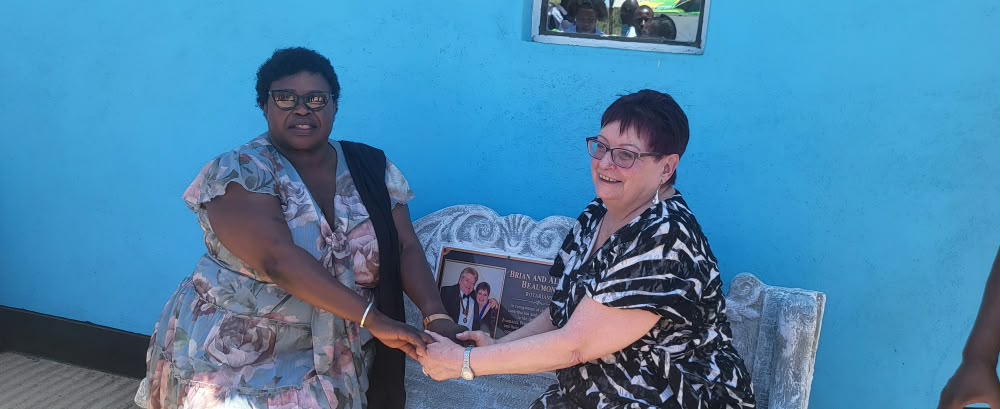
Three classroom blocks and a library have been built at Zvamaida Primary School in Chegutu District, bringing new learning spaces to a rural school in Zimbabwe. The project is expected to benefit about 300 pupils.
The work was led by Hope for African Communities UK, known as HAC UK, in partnership with Rotary International. Other partners were the Rotary Club of Basildon Concord in the United Kingdom, Chegutu Rural District Council and the local community. Together, they delivered the classroom blocks and library as part of an effort to improve access to quality education in rural communities.
For pupils, classrooms are where lessons take place, while a library gives them a place for reading and learning with books. The project adds both kinds of space at one school. The source of the report does not give details about the buildings’ size, the number of books in the library, or how many pupils will use each classroom. It does, however, set out the scale of the intended benefit: about 300 children are expected to gain from the work.
HAC UK founder and chairperson Mufaro Mapanda said her connection to the project began with a visit to the area in 2018. The difficult conditions she saw at the time moved her to support the school, and brought back memories of her own childhood. Her account links the work to a personal experience, while the partnership brought together an organization in the UK, a Rotary club, the local council and people from the community.
The school project reflects a practical approach to improving learning conditions: provide facilities where pupils can study, and work with local partners to deliver them. The report does not say what the school’s conditions were before construction, or describe changes in attendance or learning results. Those outcomes will take time to measure. For now, the clear result is a completed set of three classroom blocks and a library, intended to serve about 300 pupils.
The handover marks a new chapter for Zvamaida Primary School, but the value of the buildings will be seen in how they support pupils and teachers over time. The project’s partners have created new facilities at one rural school; its stated aim is wider access to quality education in rural communities. As pupils begin using the classrooms and library, the focus shifts from construction to the learning those spaces can make possible.