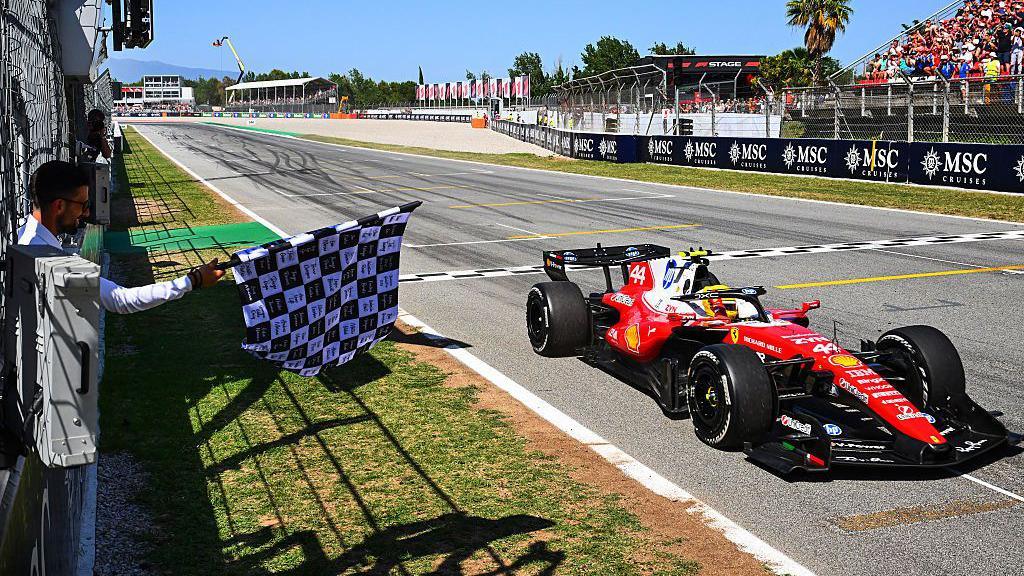
Lewis Hamilton stood on the podium in Barcelona, rain mixing with tears on his face, as red-clad fans roared his name—a moment that felt less like a victory and more like a resurrection. Just one year after calling his debut Ferrari season a "nightmare," after publicly questioning his own ability and enduring relentless scrutiny, Hamilton stormed to his first win with the Scuderia in emphatic fashion. It wasn’t just a triumph over the competition; it was a reclaiming of self. "After a year like last year," he said, voice trembling, "there were definitely moments I was like, 'Sheesh, maybe it is true that when you get to a certain point, you lose it.' But I've proven that you don't. You always have it—and it just takes work."
At 41, Hamilton is only the fourth driver in his 40s to win a Formula 1 race since 1958, joining legends Graham Hill, Jack Brabham, and Nigel Mansell. His comeback is as much psychological as physical. After a season marred by injury—sustained right here in Barcelona—and a car that didn’t suit his driving style, Hamilton retreated from social media, rebuilt his training regimen, and returned with a renewed mindset. He demanded changes at Ferrari, pushing engineers and leadership alike, his relentless voice amplifying team principal Frédéric Vasseur’s own calls for cultural transformation. "Me coming was a big shock to the system because I am very, very vocal," Hamilton admitted. "If I see something that I don’t think is right, I push very, very hard. That’s at the core of who I am."
The victory wasn’t just personal redemption—it was a statement to the sport. Toto Wolff, his former boss at Mercedes, credited not just Hamilton’s grueling off-season training but also the new car’s design, which favors feel and conventional aerodynamics over the harsh, bouncing chassis of recent years. Wolff even mused that Hamilton’s new relationship with Kim Kardashian might be contributing to his stability. "Maybe the girlfriend helps," Wolff said with a smile. "A stable personal life, they seem to be getting on really well. I think it’s all of those factors."
Vasseur, who championed Hamilton’s signing, deflected praise. "I have zero merit on this," he insisted. "It’s Lewis himself. He was able to come back after a tough moment, do a full reset, and keep pushing. His commitment is a huge motivation for everyone at the factory."
Now, the question isn’t whether Hamilton still has it—but how much more he and Ferrari can achieve. With new regulations leveling the playing field, this win might not be an outlier, but the spark of a revival that echoes beyond the track.