When Wayne Rooney left Manchester United in 2017, he didn't wait to be pushed. At 31, with Zlatan Ibrahimovic arriving to take his place in the starting eleven, Rooney simply walked away. No drama, no drawn-out departure — just quiet acceptance that his chapter had reached its natural close. It was, by his own telling, the hardest thing he'd ever done in football, and also the most honest.
"The hardest thing for a player is to understand you may be not at the level you were," Rooney said recently on The Wayne Rooney Show. "I did it at Manchester United when Zlatan Ibrahimovic came in and I wasn't playing. I wanted to play so I left straight away. I accepted it."
That kind of clarity doesn't come easy. After 13 seasons at Old Trafford — 559 appearances, 253 goals, and a trophy cabinet bulging with five Premier League titles, a Champions League, a Europa League, and an FA Cup — Rooney had earned the right to cling on. He chose not to. The decision reflected a self-awareness that many athletes, conditioned to compete and conquer, rarely develop until it's too late.
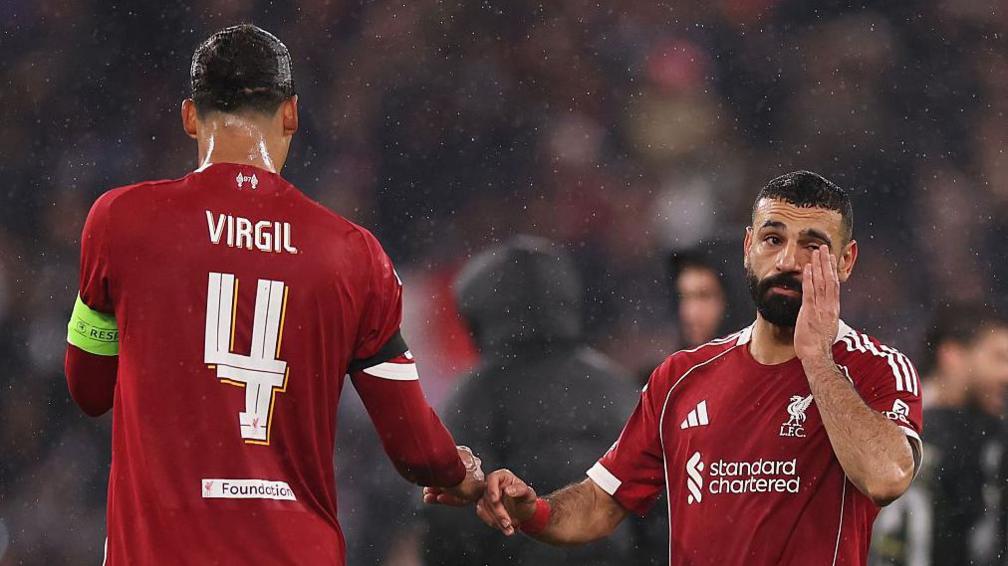
"I said this since the start of the season, age gets to us all and your legs go," Rooney added, turning his gaze toward Mohamed Salah's impending Liverpool exit. After nine remarkable years at Anfield, winning two Premier League titles, a Champions League, and nearly every domestic honor going, Salah, 33, is on course for his first season without reaching double figures in league goals, with just seven so far. For a player who once seemed inevitable in front of goal, it's a stark shift — and one Rooney recognizes with the empathy of someone who's lived it.
Rooney's reflection carries weight precisely because he's speaking from the other side. He's not bitter about Father Time; he's grateful for the self-knowledge that let him exit on his own terms. "I think that's happened to Salah this season and Virgil van Dijk hasn't been the same this season," Rooney said. "They are the leaders in the dressing room. It's hard for the other players to go and leave their mark or become the leaders."
It's a rare and generous admission from someone who could easily have stayed longer and settled for a diminished role. Instead, Rooney modeled something more valuable: the courage to recognize the finish line before the crowd does. For athletes at every level, from park pitches to Premier League stadiums, that lesson resonates. Knowing when to step back isn't defeat — it's wisdom. And for Rooney, it meant that when he finally did leave, he left as the player who scored 253 goals for Manchester United, not the ghost of one.