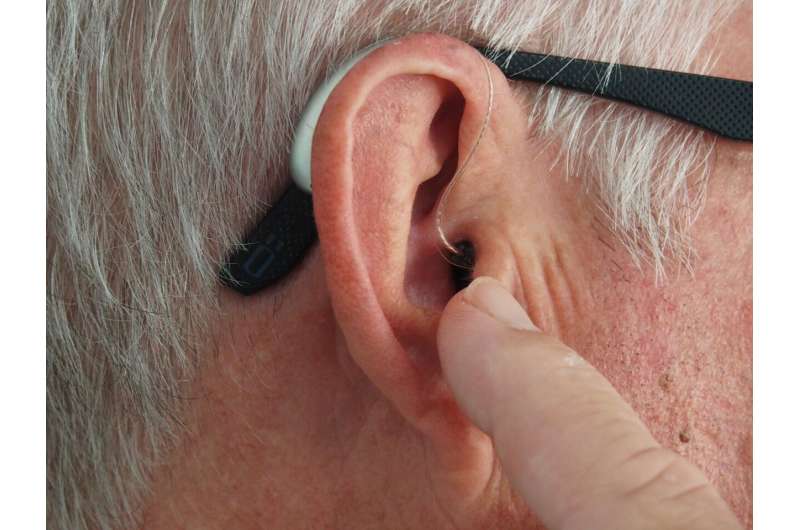
When Dr. Carolina Ferreira-Atuesta and her colleagues began sifting through electronic health records from more than 250 million patients in the TriNetX network, they weren't sure what they'd find. What emerged was a striking signal: among adults living with both epilepsy and hearing loss, wearing a hearing aid was associated with a 23% lower risk of developing dementia. The absolute numbers are equally compelling — that reduction translates to one fewer case of dementia for every 37 people who begin using hearing aids, with an overall risk drop of 2.7 percentage points over five years. The findings were presented at the European Academy of Neurology Congress 2026 by researchers from University Hospital Zurich and the University of Liverpool. Hearing loss is already the largest modifiable risk factor for dementia, yet whether hearing aids can actually lower that risk has remained fiercely debated. What makes this study different is its focus on people whose neurological conditions already place them at elevated risk. The team compared hearing aid users with closely matched non-users across eight condition groups — stroke, migraine, type 2 diabetes, chronic kidney disease, heart failure, osteoarthritis, and epilepsy — looking for groups where the benefit might be amplified. The result surprised them. Most groups showed no significant association. Only epilepsy stood out. "What surprised us most was how specific the finding was to epilepsy," said Ferreira-Atuesta. "We expected to see a small benefit across several of the higher-risk groups we studied. Instead, most showed no significant association, while the association in epilepsy was observed consistently across all of our analyses. That consistency gives us greater confidence that this is a meaningful finding." The researchers believe the answer may lie in cognitive reserve — the brain's capacity to keep functioning despite damage or age-related change. In most people with hearing loss, this reserve is robust enough to absorb the strain caused by impaired hearing, meaning that simply correcting it may not shift dementia risk much. Epilepsy, however, often depletes this reserve. Removing one more stressor — in this case, untreated hearing loss — appears to have a disproportionate impact. There are biological reasons to believe the link is real. Epilepsy accelerates cognitive decline, temporal lobe epilepsy directly affects brain regions involved in hearing, and some anti-seizure medications may worsen auditory function. For people already navigating these challenges, treating hearing loss offers more than a possible dementia benefit. "If you have hearing loss, treat it," Ferreira-Atuesta urged. "The benefits for communication, mood and staying connected are real and well established, so there's every reason to act now." Since people with epilepsy are already in regular contact with health services, the researchers argue that hearing screenings could be readily woven into routine care — a low-cost, low-risk intervention with potentially significant payoff. They caution that the study is observational and cannot yet prove causation, but the consistency of the finding across all analyses, combined with biological plausibility, makes it a signal worth taking seriously.
← News
Medicine Breakthroughs Medicine Breakthroughs Health
Hearing aid use linked to 23% lower dementia risk in people with both epilepsy and hearing loss
23 % Dementia risk reduction
2.7 percentage points Absolute risk reduction
250+ millions Patients in dataset
Epilepsy Patients Findings limited to
2.7 Percentage Points absolute risk reduction
37 NNT (hearing aids needed)