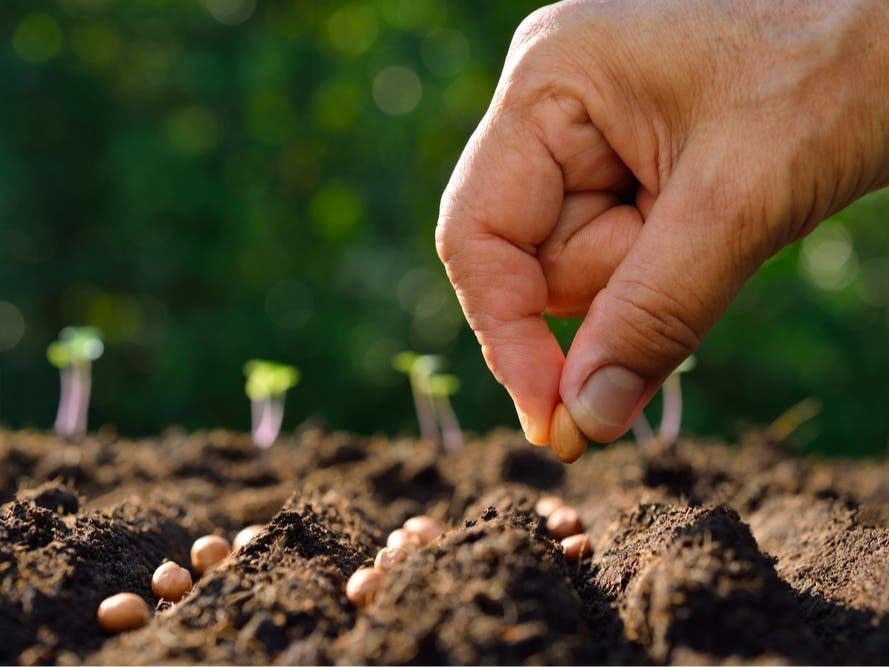
On May 16, a patch of earth behind the Enfield Senior Center at 299 Elm Street will transform into something more than a garden—it will become a lifeline. That's the day volunteers will officially launch the summer season at the Enfield Common Grounds Rotary Garden, a community-driven project that turns homegrown vegetables into fresh food for neighbors facing hunger.
The garden exists to serve a simple but vital purpose: feeding people who need it most. By partnering with the Enfield Food Shelf, the Common Grounds Rotary Garden provides fresh produce to residents in need—produce that can be difficult to find in food assistance programs that often rely on shelf-stable donations. In a time when access to affordable fresh vegetables remains unequal across communities, this small plot in Connecticut is filling a real gap.
Opening Day runs from 8 a.m. to 2 p.m., and the organizers have made participation as accessible as possible. Walk-ins are welcome, which means there's no barrier to showing up and pitching in. Those who come will work alongside UConn Master Gardeners—experienced horticulturists who share their knowledge freely. Throughout the growing season, volunteers will plant, weed, maintain, and harvest crops while learning gardening techniques they can carry forward into their own yards. It's education and service rolled into one.
The commitment extends beyond a single Saturday. The project has scheduled volunteer sessions for every Tuesday and Saturday through the summer, creating a rhythm of consistent community care. This isn't a one-day photo opportunity; it's a real, ongoing investment in local food security. For people who want to make a tangible difference in their neighborhood, there's no guesswork required—just show up, bring gloves and sunscreen, and dress for the weather.
What makes this initiative particularly promising is how it removes the mystique from gardening. Working alongside Master Gardeners means volunteers aren't just pulling weeds; they're learning why certain plants thrive together, how to protect crops from pests, and what harvesting techniques preserve nutrient value. Those lessons ripple outward. A volunteer who learns to grow tomatoes this summer might plant them next year at home or teach a neighbor. Knowledge becomes its own kind of harvest.
The organizers have also built in practical supports for participation. They've set up a Facebook page where volunteers can check for weather-related cancellations and updates—a simple step that shows they understand real life happens, and people need clear information to plan their Saturday mornings. They're not asking people to be heroes; they're making it easy to be helpful.
This is how food security actually gets built in communities: not through emergency interventions alone, but through sustained, local effort where neighbors grow food specifically for neighbors who need it. The Enfield Common Grounds Rotary Garden represents something deeper than a harvest. It represents people deciding that their corner of Connecticut will be a place where fresh food is available to everyone, regardless of circumstance. And it starts with showing up on a Saturday morning.