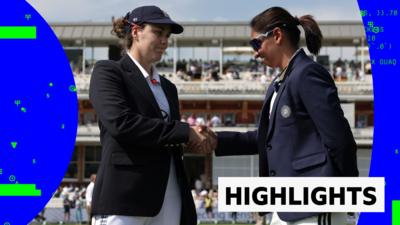
On a quiet Tuesday in London, a small piece of sporting history quietly slipped into the record books. Lord's Cricket Ground — the place where countless legends have played for more than 200 years — hosted its very first women's Test match, and the atmosphere felt different from the moment the first ball was bowled.
India won the toss and chose to bat first, finishing their innings with 285 runs on the board. It was a solid total, but the real story of the day belonged to the bowlers who followed. When England's turn came to take the field, Sophie Ecclestone stepped up and made history. The left-arm spinner took enough wickets during India's innings to become England's all-time leading wicket-taker across every format of the game — a remarkable 454 wickets in total. That's more wickets than any other English cricketer, man or woman, has ever managed in their entire career.
England's batting began as the shadows lengthened at Lord's. By the close of play, they had scored 21 runs and lost one wicket. That left them 264 runs behind India's total. The match remains finely balanced — India holds the advantage, but England has two full days to turn things around.
The significance of the day stretched beyond the scorebook. Women's cricket has been growing rapidly in recent years, with more fans filling stadiums and bigger broadcast deals drawing attention around the world. But Lord's had remained one of the last great cricket grounds without a women's Test match on its honors board. For the players who stepped onto that famous grass, the weight of that absence — and what it meant to change it — was not lost on anyone.
Sophie Ecclestone, who is just 25 years old, called it "a proud moment" after the day's play. She becomes only the latest in a generation of women cricketers rewriting what the sport can look like. As the match continues, England will hope their chase can match the ambition of the moment — and give this historic debut something truly worth celebrating.