Janet and Jeff Crouch spent more than a decade turning their Maryland yard into a thriving haven for birds and pollinators. Native flowers bloomed. Trees provided shelter. Then their homeowners association ordered them to rip it all out and replace it with a traditional grass lawn.
The expensive legal battle that followed could have ended there, with the Crouches giving up. Instead, it helped inspire Maryland lawmakers to pass a groundbreaking law in 2021 that protects low-impact landscaping. The state declared that requiring turfgrass or blocking pollinator gardens and drought-friendly yards are "unreasonable limitations." California went even further, voiding HOA rules that ban drought-resistant plants, artificial turf, or require grass lawns.
These wins did not come easily, but they show a growing movement to turn HOAs from barriers into bridges for sustainability.
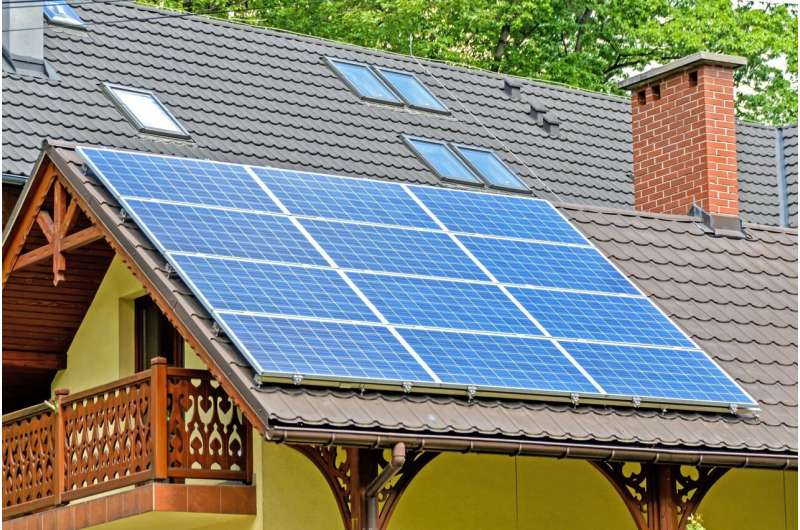
Today, nearly two out of every three new homes built in the United States fall under a homeowners association. About a third of all existing homes are governed by HOAs as well. These private organizations set rules for everything from yard appearance to solar panels, and because their rules are often written by developers and hard to change, they can shape entire neighborhoods for decades.
Researchers at Michigan State University examined the rules of 31 HOAs in Ingham County, which includes the city of Lansing, to see how these organizations affect environmental choices. Their findings were striking: 81 percent of the HOAs required minimum home sizes, nearly half mandated traditional lawn maintenance and paved driveways, one-third limited solar panels or wind turbines, and one-quarter banned clotheslines that could help families save energy.
Meanwhile, only 29 percent limited outdoor lighting, 19 percent required tree maintenance, 6 percent restricted fertilizers, and just 3 percent required native plants. The barriers to sustainable living were far more common than the supports for it.
This matters because neighborhoods governed by HOAs have enormous collective power over water use, energy production, wildlife habitat, and climate response. Traditional grass lawns demand constant mowing, fertilizing, and watering, which increases water waste and greenhouse gas emissions. They also support far fewer pollinators and birds than yards filled with native plants.
But the story is changing. Researchers who studied HOA policies say cities and states can help by passing laws like Maryland's low-impact landscaping protections. When the Crouches fought for their pollinator-friendly yard, they did not just save their own plants. They helped open the door for other homeowners to make sustainable choices without legal battles. That is how a single family's decade-long effort became a statewide win — and a model for communities everywhere.