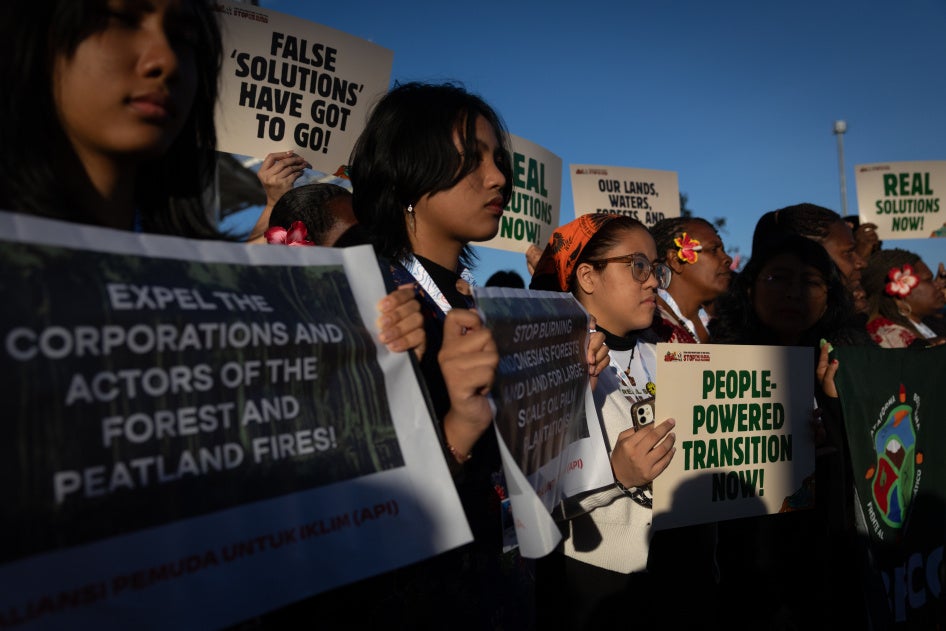
At least $7.8 billion has now been pledged to a fund designed to pay tropical countries for keeping their forests standing, after the Netherlands promised up to $500 million at the United Nations climate conference known as COP31. The pledge adds momentum to an effort that aims to protect forests and the people whose lives and livelihoods depend on them.
Forests absorb and store heat-trapping emissions, helping slow climate change. They are also among the world’s most biodiverse places. Yet promises to stop forest loss have not been matched by enough funding. At the 2021 climate summit in Glasgow, 137 countries committed to halt and reverse forest loss and land degradation by 2030. The challenge now is turning that goal into lasting action.
The Tropical Forest Forever Facility, or TFFF, is intended to provide a steadier source of support than aid that can rise and fall with political priorities. Governments and private investors put money into a fund that aims to earn a profit. That profit would then finance payments to eligible tropical forest countries that show they are protecting their forests. Brazil first championed the idea, which now has backing from several governments and private actors.
The fund also includes provisions for communities with deep ties to forest lands. At least 20 percent of its payments to tropical countries must be set aside for Indigenous peoples and local communities, following calls from territorial leaders and civil society groups, including Human Rights Watch. The fund rules also exclude investments that cause significant environmental harm, including activities linked to coal, peat, oil and gas.
The Netherlands’ pledge brings total commitments to $7.8 billion, still below the fund’s original $10 billion target. Even so, the TFFF is preparing to invest its initial sponsor capital and make its first payments to tropical forest countries next year. Those early steps could show whether the model can deliver support over time while rewarding countries for keeping forests intact.
A separate roadmap released earlier this month by Brazil’s government offers a guide for wider efforts to curb deforestation and forest damage. It draws on input from 180 actors, including Human Rights Watch, and calls for countries to align around methods that have been tested. Among its recommendations is strengthening the authority of people who hold rights to land, territories and resources. The roadmap says this can support long-term care for forests and reduce pressure from land grabs, competing claims and unauthorized clearing.
The fund and roadmap point to a shared idea: forest protection is more likely to last when it is backed by reliable finance and the rights of local and Indigenous communities. With first payments planned for next year, the TFFF’s progress will depend on whether its promises translate into protection on the ground—and whether more support can close the gap to its $10 billion goal.