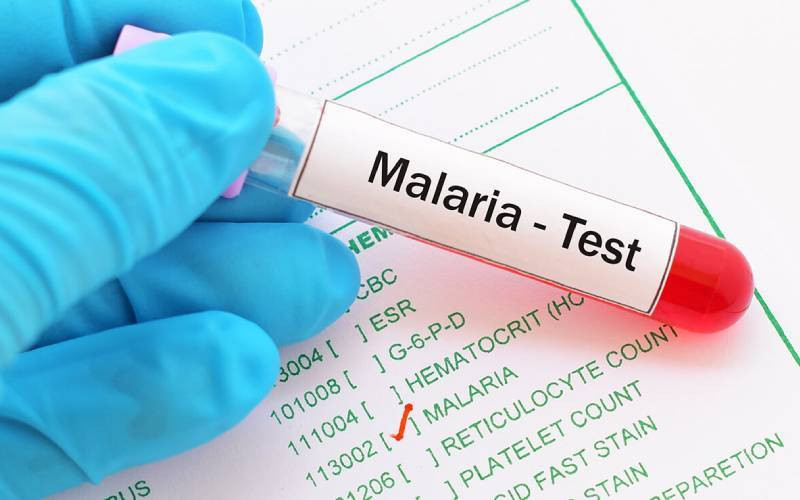
Fredrick Gogo slides a malaria sample under the microscope at Lumumba Sub-County Hospital in Kisumu, his careful eye searching for the parasites that once filled these wards with desperately ill children. Since 2019, when the malaria vaccine rollout began in this western Kenyan county, the story in those wards has fundamentally shifted. The change is not a cure-all—it is something more nuanced and equally hopeful: a turning point that has already saved lives while revealing what sustaining that progress will require.
For Lilyana Dayo, Kisumu County Malaria Control Coordinator, the evidence is written in empty beds and lighter caseloads. "The difference between now and before 2019 is clear," she says. "We are seeing far fewer children admitted with severe malaria. The vaccine has played a major role in reducing hospitalisations and saving lives." Hospital wards that once struggled with the weight of critically ill children now see significantly fewer severe cases. That shift is measurable, real, and a testament to what coordinated public health action can achieve.
Yet experts across Kisumu's health system are careful not to declare victory. They know from years of malaria control work that the vaccine is not a standalone solution. Its success is tethered to the systems and practices that have long underpinned malaria prevention: insecticide-treated bed nets, indoor residual spraying, prompt diagnosis and treatment access, and the day-to-day work of communities understanding their own role in stopping transmission. The vaccine amplifies these efforts; it does not replace them.
This distinction matters because it frames the real challenge ahead. Kisumu achieved a measurable reduction in severe childhood malaria because multiple interventions aligned. The vaccine arrived as part of a broader prevention ecosystem. But ecosystems are fragile. They depend on sustained funding, continued healthcare access, and communities staying engaged. They can falter if attention wanes or resources shift elsewhere.
What Kisumu has demonstrated is that malaria is no longer inevitable for the children in its wards—but it is also not yet conquered. The vaccine represents a powerful new tool that has already reduced hospitalization and saved young lives. The task now is to hold that ground while building toward something more: a system robust enough that every child, regardless of where they are born, has access to prevention, diagnosis, and treatment.
The health workers at Lumumba Sub-County Hospital and across Kisumu County understand this. They see both the progress and the fragility. They know the vaccine has changed what is possible, but also that possibility must be protected through continued investment, community partnership, and a commitment to the prevention strategies that make vaccines work. In that balance—between celebrating what has been won and remaining vigilant about what it takes to keep winning—lies the real story of malaria control in Kenya today.