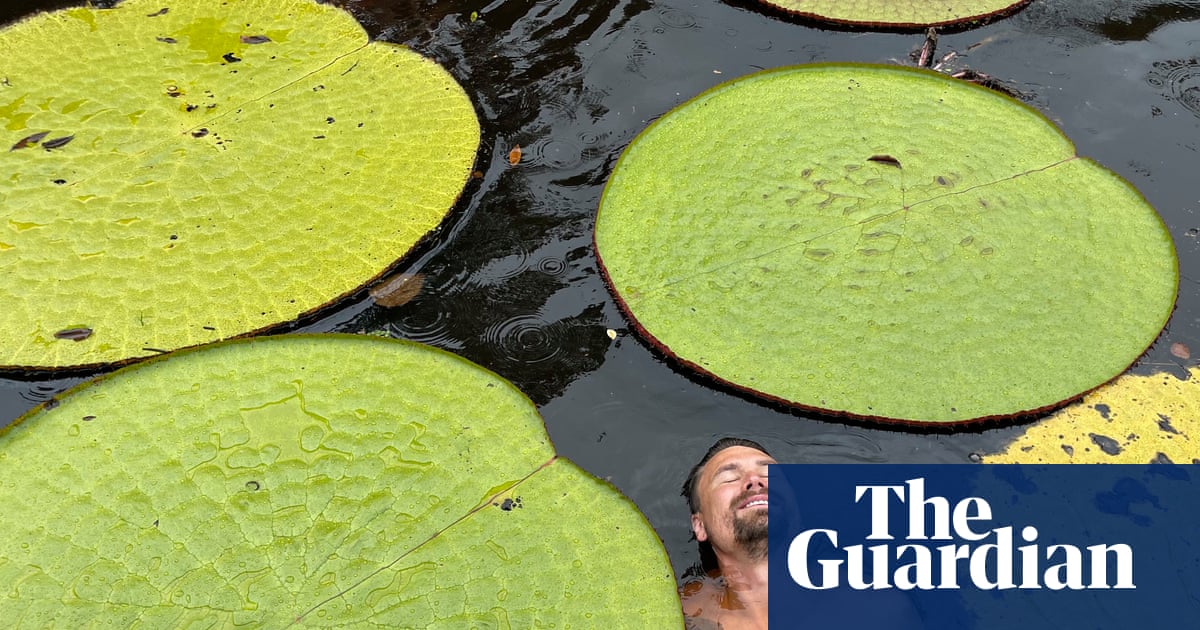
Carlos Magdalena was scrolling through Instagram when he saw a photo that stopped him cold: a man swimming among enormous lily pads on the Inírida River in Colombia, each one wide enough to hold a child. The image, posted by Jeremiah Harris, a US plant enthusiast, looked like a dream—but to Magdalena, a top waterlily expert at the Royal Botanic Gardens, Kew, it was a red flag. The species in the photo was labeled Victoria amazonica, but that plant doesn’t grow in this part of Colombia. Something was off.
That single plant selfie sparked a three-year quest. Magdalena studied satellite images, raised funds, and secured permits. Then, with scientists from the Jardín Botánico in Bogotá and guides from local indigenous communities, he launched a five-day expedition into the flooded jungle. Days passed with no sign of the mystery lily. With just 10 hours left before their flight home, they followed a tip from their driver and sailed overnight through pitch-black waters. At dawn, they reached a remote lake—and there it was.
"It was so emotional I shed a tear, it was one of those moments that will remain with me for life," Magdalena said. The team had found a new species of giant waterlily, one so large it can be seen from space. Named Victoria colombiana, it joins just three other known giant waterlilies in the world. Its lily pads stretch up to three meters across, making them some of the largest in the plant kingdom.
The discovery, published in the journal Phytotaxa, is a rare beacon of wonder in a time of environmental loss. But Victoria colombiana is already on the brink. Scientists estimate only 30 to 50 plants remain in the wild, all confined to a small stretch of the Inírida River. That makes it critically endangered before it’s even had a chance to thrive in the public eye.
The find is a powerful reminder that even in our hyper-connected world, nature still holds secrets. "Giant waterlilies give away their secrets slowly," Magdalena said. "We believe we know everything but the reality is we don’t, there’s lots of things still to be discovered and protected."
Now, the race is on to save it. Researchers are working to get Victoria colombiana on the IUCN Red List and are exploring ways to grow it in protected areas within indigenous lands. Seeds are being collected for cultivation in Bogotá, with hope that one day, the giant lily might bloom at Kew Gardens too. For Harris, whose plant selfie started it all, the journey is surreal. "I was just so excited, absolutely elated," he said. "My friends always teased me for taking selfies with plants—but this one changed everything."
In a world where so much feels lost, a single photo, a hunch, and a midnight boat ride led to a discovery that reminds us: wonder still grows in the wild.