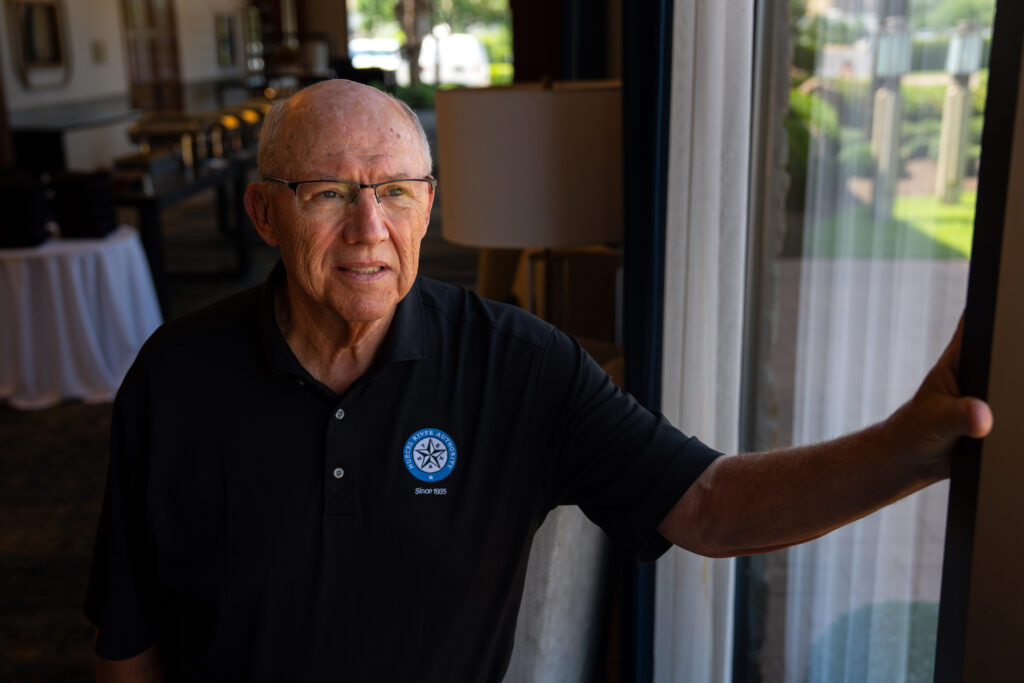
John Byrum, the silver-haired executive director of the Nueces River Authority, stood in a Corpus Christi boardroom in 2024 and pitched a vision so bold it sounded almost impossible: a small, inland river agency with a modest budget would build the largest seawater desalination plant in the United States. Based 200 miles from the coast and best known for river cleanups, the Nueces River Authority (NRA) has quietly taken on a $6 billion mission to secure Texas’s industrial future—one drop of desalinated seawater at a time. With water scarcity looming over the Gulf Coast and its vital network of refineries and chemical plants, the stakes couldn’t be higher. Byrum’s answer? A landmark facility on Harbor Island, capable of turning the salty waters of Corpus Christi Bay into a reliable freshwater supply for generations.
Since March of the previous year, the NRA has raised $6.4 million from 18 small cities and rural utilities, including the town of Kyle, south of Austin, which paid a $500,000 deposit to reserve future water. The agency promised a 200-mile pipeline by 2032, linking inland communities to the coast. But questions arose when, despite claims that 90% of the water was “sold out,” the NRA continued selling reservations for five months after Kyle’s purchase. The controversy deepened when chief operating officer Travis Pruski resigned in May, alleging Byrum misrepresented financial details to both the NRA board and Corpus Christi’s City Council—a claim Byrum denies.
Despite the turbulence, momentum is building. In May, the NRA announced a pivotal partnership with IDE Technologies, an Israeli global leader in desalination, which now calls the Harbor Island project the largest seawater desalination endeavor in the Western Hemisphere. Under the public-private agreement, IDE will own and operate the plant, selling treated water to the NRA, which retains the legal authority to distribute it in Texas. Byrum insists this structure will keep prices competitive: “They need authority to sell water in Texas and we are that authority,” he said. “We’re going to make sure there is some downward pricing pressure.”
The project still faces skepticism—especially from officials like Corpus Christi Mayor Paulette Guajardo, who opposed her city’s $2.7 million deposit and later called for a refund, citing a lack of transparency. Yet an internal NRA review cleared Byrum of misconduct, and the collaboration with IDE signals growing confidence. If completed, the plant could transform how Texas manages water, blending innovation, regional cooperation, and sheer audacity. As Byrum puts it: “It’ll happen.”