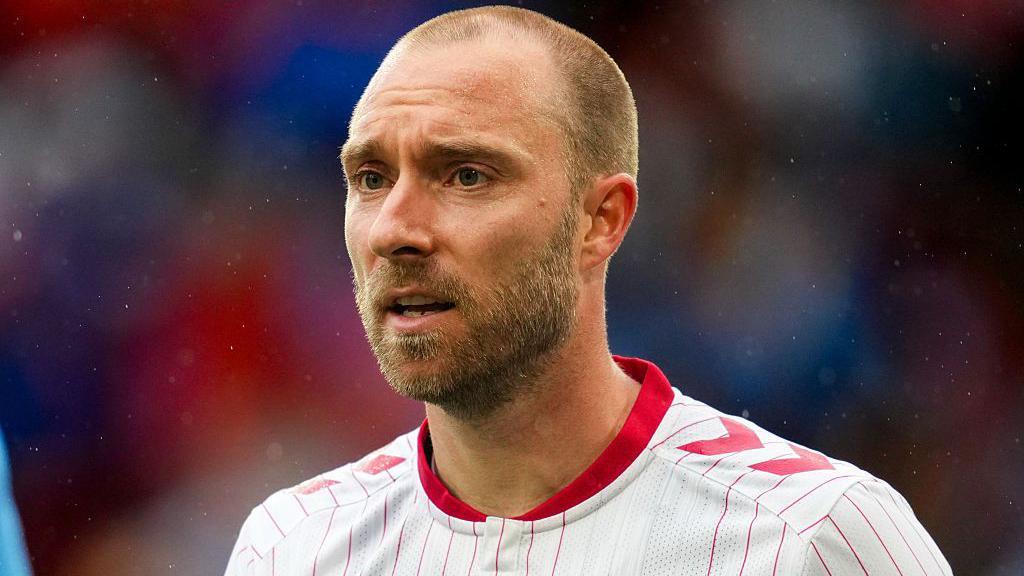
When Christian Eriksen collapsed on the pitch during Euro 2020 in June 2021, the world watched in horror. What followed was a medical decision that would reshape the conversation around athletes and life-saving devices: the Danish midfielder received an implantable cardiac defibrillator—an ICD, roughly half the size of a mobile phone—and later returned to professional football, defying the rules of his former league.
The ICD is a remarkable piece of technology, capable of detecting dangerous heart rhythms and delivering life-saving shocks to restore normal heartbeat. Athletes require them for various conditions including heart failure, coronary heart disease, and arrhythmias. Yet the path back to competition is far from straightforward. Dr. Amanda Lahti, a doctor and researcher in sports medicine, explains the complexity: "All cases are individual. It is a shared decision model – you take opinions from the club, the player, their agent, and medical experts, looking at the risks and the potential benefits. You then take a collective decision about whether a player can continue with their career or if they should stop." The catch, she notes, is that athletes themselves have the final say—and their competitive instinct often overrides caution.
Italy's Serie A, where Eriksen was playing when he collapsed, maintains a blanket prohibition on ICD-fitted players competing. But the Premier League takes a different approach: no universal ban, only individual medical assessments. Eriksen seized the opportunity, first joining Brentford and then Manchester United. "I don't see any risk, no," he told BBC Sport in 2022. "I have an ICD, if anything would happen then I am safe."
Yet living with an ICD brings unexpected complications. The devices can occasionally malfunction in surprising ways. One athlete reported being on holiday in Antigua when his ICD suddenly activated—not because of a genuine cardiac emergency, but because the device misinterpreted the pool pump's vibrations as a dangerously rapid heartbeat at 500 beats per minute. "I was suddenly blown through the water and didn't know what happened," he recalled. "After a few seconds I realised my device had gone off and thought I must be really unwell." A remote medical download later confirmed his heart was fine; the shock should never have fired. The experience revealed a gap in his own understanding of the technology keeping him alive.
Despite these challenges, athletes continue to find ways to thrive. Golf and padel players with ICDs report feeling confident competing, their devices providing reassurance rather than restriction. But the psychological weight is undeniable. "It's a scary place to be when your life could change at any second," one athlete reflected. "It can isolate you, because if it goes off you lose your independence. For example, you can't drive because you lose your license for a certain amount of time."
Yet resilience emerges from experience. Drawing on the mental tools honed through international sport, these athletes develop coping mechanisms to maintain consistency in their own headspace, understanding that setbacks are part of any athlete's journey. Their stories suggest that with proper medical oversight, individual assessment, and honest conversation among all stakeholders, a life with an ICD need not mean the end of athletic pursuit—only a more cautious, thoughtful one.