At 39, Lionel Messi spent most of the World Cup semi-final walking. England thought that would suit them just fine. Instead, it became their undoing.
Messi guided Argentina to a 2-1 comeback victory over England in Atlanta, Georgia, turning the second half into a masterclass in footballing intelligence that more than made up for any loss of pace. England's young squad, bristling with energy and coached by Thomas Tuchel, dominated early on. But as fatigue crept in, Messi's sharp mind did what his legs no longer needed to.
"It's like having a manager on the pitch," one analyst later put it. And that felt about right.
England came out pressing hard. Winger Elliot Anderson, just 23 years old, was assigned to shadow Messi — a job he handled well in the opening stages. "In the 10th minute, Anderson intercepts a pass intended for Lionel Messi," the match notes record. He was snappy, early to his duels, smothering the Argentine captain effectively.
But Messi adapted. He began dropping deeper toward his own defence, posing Anderson a dilemma: how far should he follow? From what looked like a standing start, Messi would suddenly burst toward the ball. Defenders had to react; he didn't. England scored through Anthony Gordon in the 55th minute and held their lead for half an hour. During that spell, England controlled just 12% of the ball — spending most of their time defending deep.
Then Messi turned the tide. First, he picked out Enzo Fernandez near the edge of the penalty area in the 85th minute. Fernandez struck a brilliant equaliser. Then, deep into stoppage time, Messi delivered a cross that Lautaro Martinez headed home to win it.
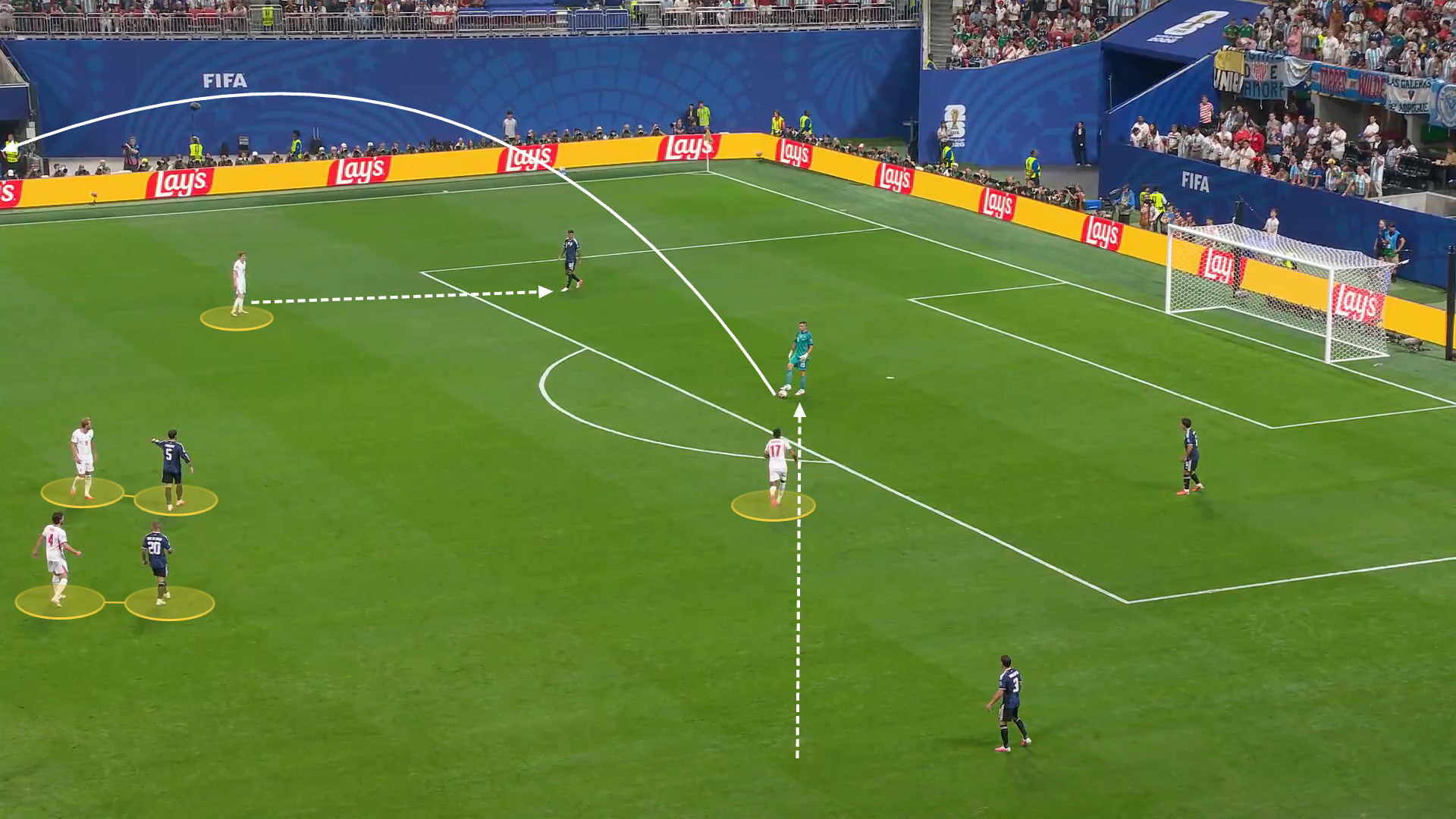
How did it happen? After getting some joy against Messi early on, Anderson's front-footed approach became less effective. Messi began using the young midfielder's aggression against him. He held the ball for as long as possible, drawing Anderson out of position, then flicked it around the corner into the space he had vacated. "Messi's gravity draws both defenders toward him," one breakdown of the play explained. "That leaves Fernandez with room to shoot."
For Argentina's equaliser, Messi again exploited Anderson's willingness to engage. As he dribbled inward, Anderson left his central position to double up on the eight-time Ballon d'Or winner. Messi delayed his pass just long enough to attract more players toward him — then released it, leaving Fernandez with space and time to strike.
England's players looked exhausted. Argentina, with Messi pulling strings, looked like they had another gear entirely. It wasn't about pace or power. It was about one player seeing the game three moves ahead, every time.
The final whistle brought scenes of joy in the Argentina camp. For England, there was heartbreak — but also a glimpse of what a young squad might become with time. And for Messi, at 39, it was another reminder that some skills only get sharper with age.