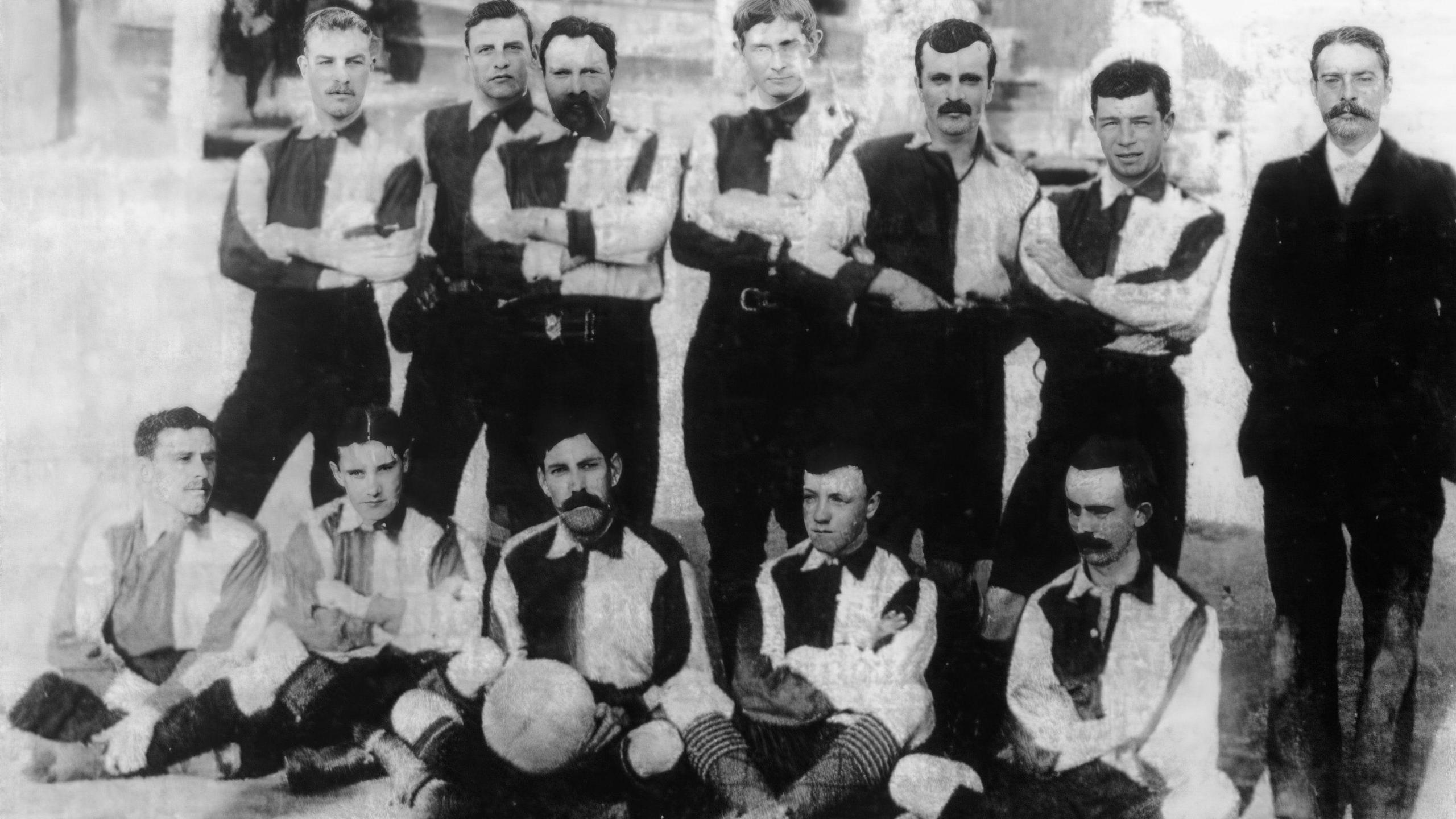
When Pachuca Athletic Club took the field in 1895, few in Mexico could have imagined they were watching the birth of a national passion — one carried across an ocean by Cornish miners seeking opportunity in Mexican silver mines. The sport arrived not through royal decree or grand ambition, but through the practical determination of men who simply wanted to play. What began as a quarrel between rival mining camps became the spark for Mexico's first football league.
The game had already taken root in Pachuca and the nearby mountain settlement of Real del Monte by 1892, when a local newspaper reported on a reorganisation forced by what locals called a "schism" — a rift between the townspeople and "the mountain men." To an outsider, it might have seemed a minor dispute, but it was quintessentially Cornish: a people known for their independent streak running into their own stubbornness. The miners were told to stop bickering and build something stronger.
Enter Henry Rule, a mining engineer of considerable influence. In 1895, Rule orchestrated a decisive merger, bringing together the Pachuca Cricket Club, the Pachuca Football Club, and the Velasco Cricket Club into a single entity: Pachuca Athletic Club. It was a moment of consolidation that would ripple across a nation. Rule even donated land near his hacienda for the club's grounds, though with one condition rooted in his Methodist faith — no matches on Sundays. A compromise between commerce and conscience, played out on Mexican soil.
By 1902, football had taken hold beyond Pachuca's mining district. Clubs sprang up in Orizaba in Veracruz and elsewhere, creating enough momentum for something unprecedented: Mexico's first recognised football league, the Liga Mexicana de Football Amateur Association. Orizaba claimed the inaugural title that year, though Pachuca proved they could compete at the highest level, winning the championship in the 1904–05 season. To this day, Orizaba contests Pachuca's claim to be Mexico's oldest club, a dispute that speaks to how quickly the sport had woven itself into local pride.
The story of Mexican football, however, belongs not only to the men on the pitch. Cornish women were equally vital to matchday life, turning out in their club colours and becoming part of the spectacle itself. They brought with them more than enthusiasm — they brought food. The first recorded reference to pasties being eaten in Mexico came during a cricket match, a culinary detail that carries unexpected weight. Pasties, with their thick crusts designed to serve as handles for dirty mining hands and tough enough to survive tumbles down mineshafts, became an emblem of Cornish life transported whole into a new land.
What the miners created in Pachuca was more than a football club. They transplanted an entire culture — its values, its disputes, its food, its women, and its love of the game — into Mexican soil. The sport that emerged from their camps became so deeply rooted that it outlasted the mines themselves, growing into the national obsession it remains today. Mexico's football story begins not in a capital city or among elites, but among working men and their families, in the dust of silver mines, with a leather ball and the memory of home.