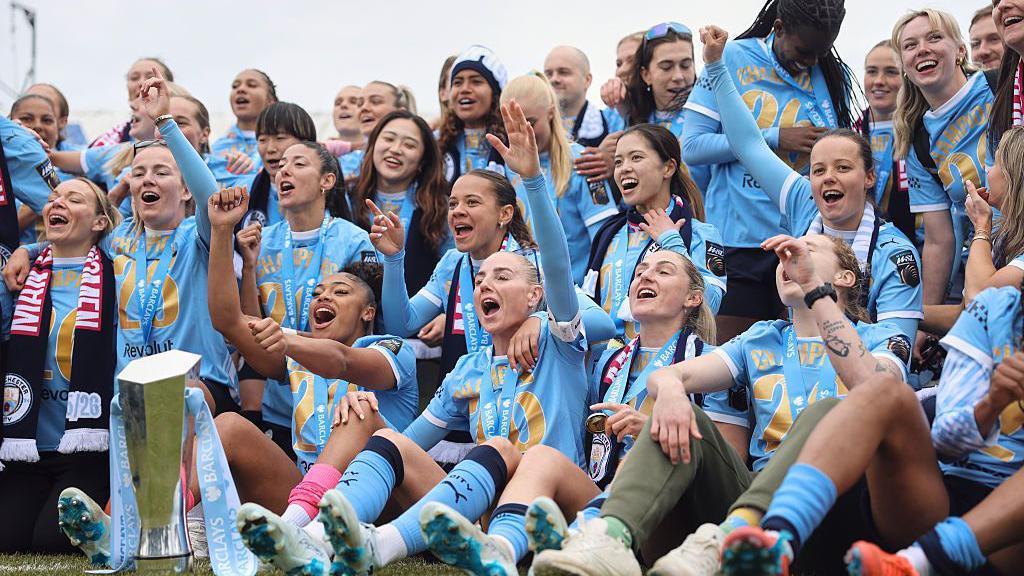
Manchester City's manager Andree Jeglertz didn't need a crystal ball to see the season ahead—he just needed to watch his squad dismantle the Women's Super League for ten straight months. In his first campaign at the helm, Jeglertz steered City to their first league title in a decade, a triumph made all the more remarkable by the sheer dominance on display: a 13-game winning streak that stretched from September through February, a 12-point lead over second-place Chelsea at one point, and a clinical finishing touch that saw Khadija Shaw and Vivianne Miedema combine for 31 of the club's 62 goals.
Without the distraction of Champions League football, Manchester City had the luxury of pouring everything into domestic conquest. They swept through the opposition with a squad packed with talent and depth, making their first WSL title since 2015 feel almost inevitable by the time the final whistle blew. Shaw and Miedema proved the deadly duo everyone expected them to be, their partnership proving too much for even the league's strongest defenses.
But the 2025-26 season revealed more than just a coronation in Manchester. It exposed cracks in the old order. Arsenal, crowned European champions just months earlier, finished second after injuries and a handful of disappointing performances handed City the early advantage in the title race. Chelsea, which had won six consecutive WSL titles, limped to third with an injury crisis up front and behind-the-scenes turmoil following the departure of head of women's football Paul Green. Even with the additions of forward Alyssa Thompson and defender Ellie Carpenter, Chelsea couldn't summon the consistency that had defined their dominance, though manager Sonia Bompastor did steer them to a League Cup win in March.
The real shocks came further down the table. Tottenham, tipped before the season to battle relegation after finishing second-bottom the year before, became the surprise package under new manager Martin Ho. Shrewd business in January's transfer window supercharged their rise, and they finished fifth—a masterclass in system building and squad investment. London City Lionesses, the billionaire-backed newcomers with no affiliation to a men's club, established themselves solidly in sixth place in their debut top-flight season, though a mid-season managerial change from Jocelyn Precheur to Eder Maestre left questions about the club's direction.
At the bottom, Leicester City were relegated after losing to Charlton Athletic in the inaugural play-off, ending their time in the WSL. Manchester United, navigating their debut Champions League campaign, managed fourth but offered little threat to the traditional powerhouses—a gap that must narrow if they're to challenge properly next season.
The season's storyline is clear: Manchester City's ascent was coronation, but everyone else is fighting for scraps. City's path to silverware should now extend to the European stage, though Shaw's likely departure signals that even champions must rebuild. For the rest, next season will be about whether this was a season of genuine progress or merely the sound of the old guard shuffling chairs.