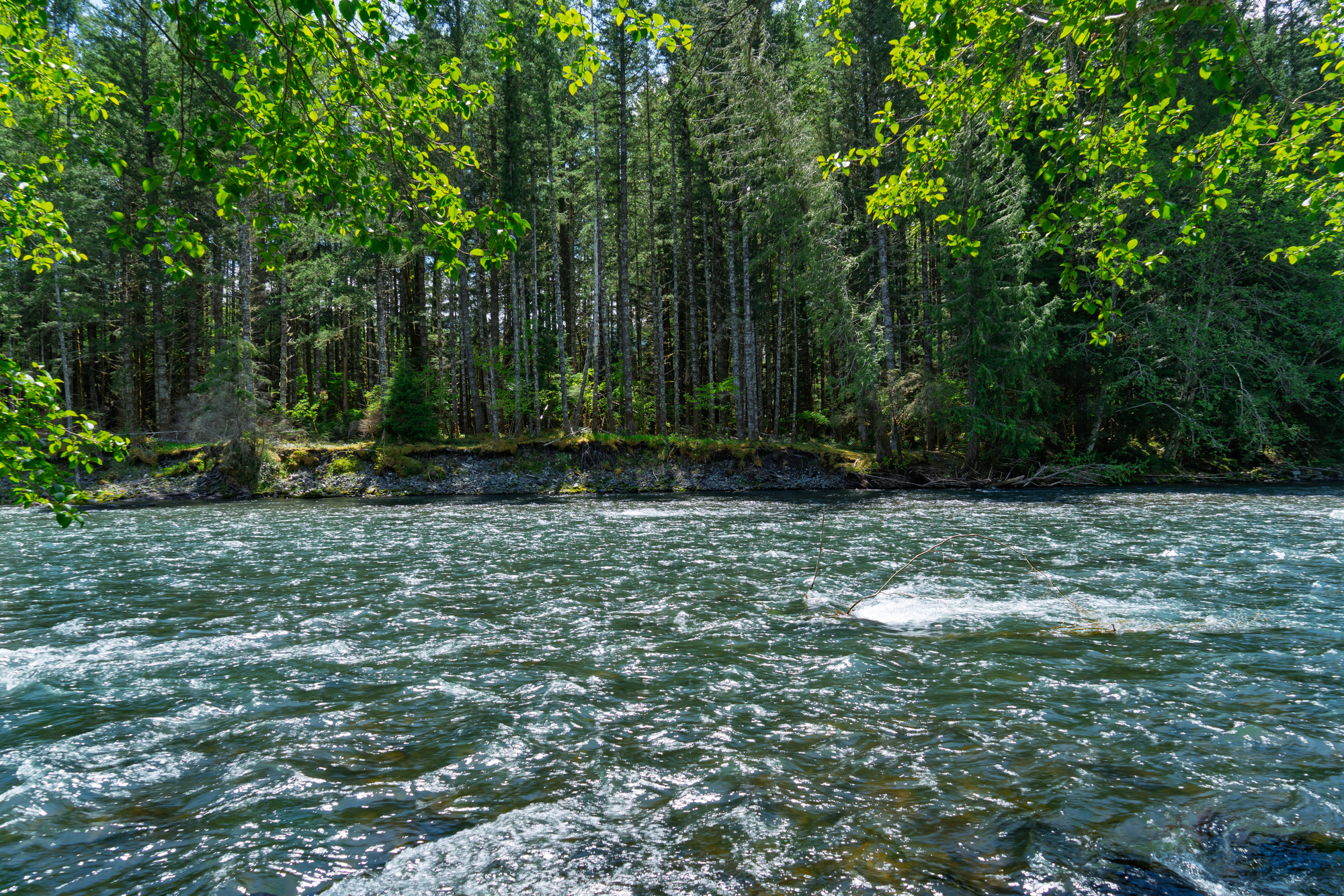
The five-year-old girl didn't know she was helping conduct one of the world's most important wildlife surveys. She just followed the instructions in a cardboard box and swirled a tiny filter through a jar of river water. The results came back excellent. No biology degree required.
The box was a sampling kit from NatureMetrics, a company that believes monitoring wildlife should be as easy as filling a bottle. Their secret ingredient isn't complicated — it's just one liter of water.
Here's why that matters: freshwater species populations have dropped 84 percent since 1970. More than half of all money made worldwide depends on nature in some way. Yet measuring what's actually happening to wildlife, reliably and consistently across different places and people, was nearly impossible before now. Two ecologists could visit the same river and come back with completely different species lists. The data couldn't be compared, which meant it couldn't really be used to make decisions.
"If you and I went to the same river, we would not produce the same species list," says Dimple Patel, CEO of NatureMetrics. "This makes it very difficult to bring together data sets that people are actually able to reconcile as well as standardise on a global basis."
The answer turns out to be hiding in the water itself. Every living thing near a river sheds genetic material into it — skin cells, saliva, tiny traces that hang around for days to weeks. Scientists call this environmental DNA, or eDNA. One liter of river water contains enough to identify every fish, frog, insect, and mammal that passed through recently. The technology to read that DNA is the same kind used in forensic crime labs.
NatureMetrics ships sampling kits anywhere in the world. The filter goes back to a laboratory, where computers identify every species in the sample. No trapping, no netting, no ecosystem disturbed. "It takes a fraction of the time, a fraction of the cost, but gives you an incredibly accurate and rich data set," Patel says.
So far, NatureMetrics has processed samples in 116 countries, working with more than 600 organizations including WWF, mining companies, energy producers, and agricultural supply chains. This year they hit a milestone: 10 percent of Earth's surface surveyed using eDNA. The platform tracks species over time and can show whether restoration work in a damaged area is actually helping wildlife come back.
NatureMetrics was recently named an Earthshot Prize finalist — a distinction founded by the Prince of Wales that carries serious scientific credibility. For Patel, that recognition opens doors in corporate boardrooms where environmental concerns often go unheard. Her goal isn't just to count species. She wants biodiversity to show up on the same documents where companies track what they own and what they owe.
"We want nature to be on balance sheets," Patel says. "We want organisations and companies to be actually valuing the impact they're having on nature and accounting for that in the way that they operate their businesses and make their decisions."
The data to make that happen already exists. The harder part is convincing the people running large companies to pay attention to it.