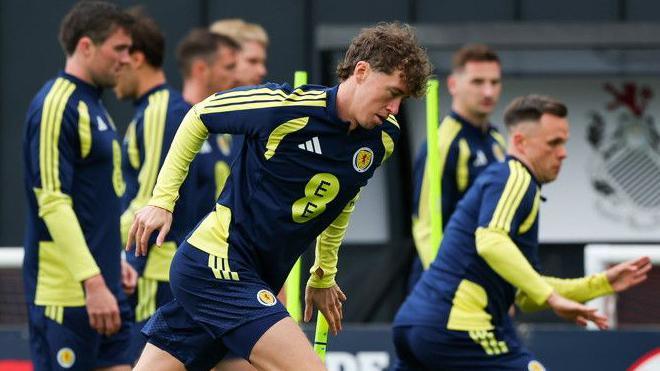
Jack Hendry slipped on his sunglasses as his Scottish teammates coated themselves in sun cream, their T-shirt lines glowing white against Miami's relentless heat. While most of his squad at Inter Miami's training ground looked genuinely uncomfortable Tuesday, the 31-year-old defender seemed unfazed—a three-year stint in Saudi Arabia with Al Ettifaq has given him an advantage the others simply don't possess. The barrels of ice stacked at pitch-side and cold plunge tubs waiting for relief at session's end told the real story: Florida's humidity and heat were testing Steve Clarke's squad to their limits.
This grueling week in South Florida isn't accidental. Clarke deliberately chose to acclimatize his players to the punishing conditions they'll face throughout the Copa América tournament, and Hendry's experience becomes invaluable currency. "It maybe would have been a shock if we had come out to the Miami game because it hits you as soon as you come off the plane," Hendry told BBC Scotland from the team's Fort Lauderdale hotel. "So it's good that we can come out here for this week, prepare and get used to it."
For Hendry, the strategy is straightforward: stay hydrated and maintain concentration. "You can lose a lot of sweat in the humidity," he explained, noting how the extreme conditions fundamentally change how football is played. "The game can be a little bit different because you maybe can't run about as much, getting tired very quickly and energy going from you, so it definitely impacts." It's hard-won wisdom from someone who has lived it.
Scotland's tournament schedule is unforgiving. They face Haiti on Sunday, June 14, followed by Morocco in Boston before returning to Miami to meet Brazil on Wednesday, June 24. The pace is relentless, yet Hendry stressed the potential of water breaks—common in Saudi football—to help both recovery and tactical adjustment. "I'm accustomed to it in Saudi; we have these water breaks and it might disrupt the rhythm of the game a wee bit, but from the players' point of view it definitely helps," he said.
What makes this moment significant is Scotland's genuine chance at something no Scottish squad has achieved before: progressing beyond the group stages of a World Cup. After decades of early exits, this talented, cohesive group has the potential to break through. Yet Hendry remains grounded, refusing to look beyond the immediate horizon. "It's difficult to look too far ahead. The main ambition is going to be trying to get out of the group. Then we see where we can go afterwards," he told the BBC. "We can't look too far ahead, just take it game by game and if we do that, enjoy it and play the best we can, then we should be able to achieve that."
The Sunshine State lives up to its name here—the sun beats down with fierce intensity, allowing little air to break through until the occasional thunderstorm arrives. Yet this scorching heat is precisely what Clarke wanted. By sweat-soaking their way through preparation week, Scotland isn't just acclimatizing; they're building resilience. And with Hendry's steady presence and hard-earned wisdom, they're building something else too: genuine hope that this summer could be different. "We've got to make the most of it and make sure we don't come out of this with any regrets," Hendry said.