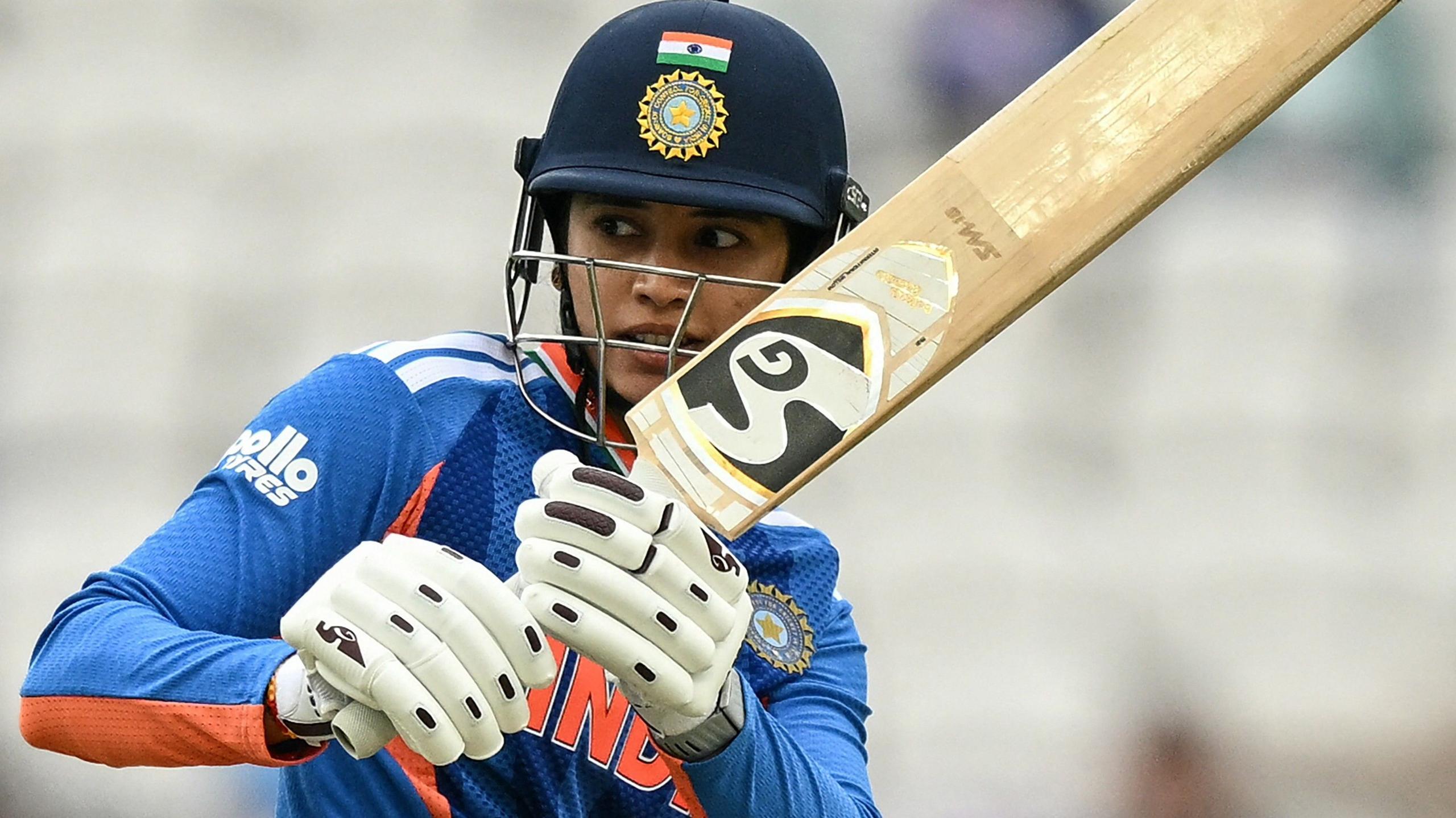
At Headingley on a sun-dappled Saturday, Freya Kemp and Dani Gibson didn’t just rewrite the scorebook—they reignited England’s hopes. With 61 runs off just 21 balls in an unbroken late blitz against Scotland, the pair known affectionately as ‘Kemp-son’ delivered on a promise long overdue. For years, England’s women’s cricket team has faltered in the death overs, their batting collapsing when boundaries were most needed. But now, with Kemp’s towering sixes over mid-wicket and Gibson’s ferocious cover drives, they’ve found the firepower that could redefine their future.
The significance of this moment stretches far beyond one match. Last year, during the Ashes T20 series, England managed only three boundaries after the powerplay—a symptom of a chronic issue. Their number six and seven batters averaged a strike rate of exactly 100 across 17 T20 innings in 2025, with fewer than 6% of their deliveries clearing the rope. This year, under the twin engines of Kemp and Gibson, those figures have transformed: a punishing strike rate of 181.92 and a boundary every 3.6 balls, pushing their boundary percentage to nearly 28%. The contrast is seismic.
Both players arrived at this moment through adversity. Kemp, sidelined by a recurring back injury, spent months refining her batting with Hampshire. Gibson, too, missed key fixtures due to injury, but used the time to reshape her game—particularly her off-side play, once a weakness. On Saturday, she punished Scotland’s Priyanaz Chatterji with two crisp cover drives in the final over, a sign of deliberate progress made real. Their complementary styles—Kemp’s flowing left-handed power down the ground, Gibson’s compact strength behind square—make them a nightmare for bowlers. As Sophia Dunkley put it, “They’re a great combination and to have a partnership like that at the end gives us as a top order a lot of confidence.”
Former England players have taken note. Alex Hartley called the shift “a huge difference from where they were last year.” Katherine Sciver-Brunt hailed their partnership as “one that we’ve all been dying for.” And Ebony Rainford-Brent was direct: they are “solving a problem” that has plagued the team for a generation. Even Charlotte Edwards, former captain, believes England might have won last year’s 50-over World Cup had they been fit.
Now, with both players signed for over £100,000 in The Hundred and fully fit, England finally has finishers who can shift a game in moments. Kemp may be the longest hitter—“If I have to put money on it, I’d probably go with Kempy,” Dunkley said—but it’s their synergy that’s transformative. This partnership came too late for one World Cup. But for the next? It may be exactly on time.