Robert Panipilla still remembers the sting of invisibility. In 2017, after two years of diving into the turquoise waters off Thiruvananthapuram, logging species with local fisherfolk, and compiling data for Kerala’s first Marine Biodiversity Register, he opened the final publication—only to find his team’s names absent, their labor uncredited. The fisherfolk whose ancestral knowledge guided every discovery weren’t mentioned at all. That erasure became the seed for something far greater: a people’s archive of the sea.
A decade later, on World Ocean Day 2023, Panipilla—now 66—and his civic group Friends of Marine Life (FML) launched the Community Marine Biodiversity Online Register (CMBOR), a living digital repository built from the ground up with the same coastal communities once left out. Unveiled in Thiruvananthapuram in the presence of Kerala minister C.P. John, the register documents approximately 2,000 marine species across 50 distinct habitats, from artificial reefs and sunken ships to nearshore zones and accidental marine formations. It includes seaweeds, reef fish, crabs, and lesser-known creatures, many verified with scientific names through institutional collaboration.
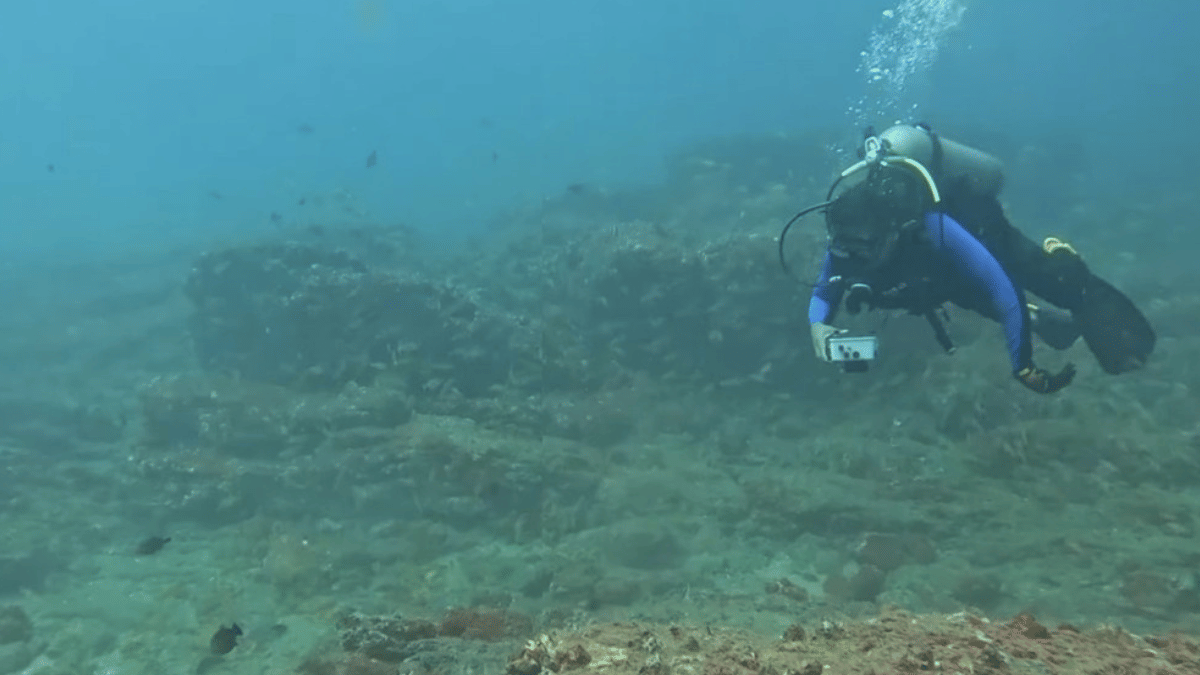
The project’s heart lies in its methodology. Panipilla, born in a fishing hamlet, assembled a pioneering team that included Aneesha Ani Benedict, Thiruvananthapuram’s first woman scuba diver, and worked closely with nearly 70 local fishers. They combined diving surveys, visits to fish landing centers, and intergenerational ecological knowledge to map changes in marine life—before and after Cyclone Ockhi, and amid disruptions from the Vizhinjam International Seaport’s dredging. These events, many fishers say, fractured long-held patterns of fish migration and weather prediction, eroding knowledge passed down for generations.
The CMBOR isn’t just a scientific catalog—it’s a reclamation of voice. Where the 2017 state register excluded species due to uncertain taxonomic identification, Panipilla’s team chose inclusion, transparency, and attribution. Their goal is clear: to ensure biodiversity isn’t lost to memory, and the people who safeguard that knowledge aren’t lost to history. As Vipin Das of the Coastal Students Cultural Forum put it, this is a new mode of knowledge production—one rooted in lived experience, not just academic pursuit.
With volunteers already mobilized and plans to expand beyond Thiruvananthapuram, Panipilla envisions a community-led marine archive stretching along Kerala’s entire 590-kilometer coastline. This isn’t just data collection. It’s dignity restored, one species, one story, one wave at a time.