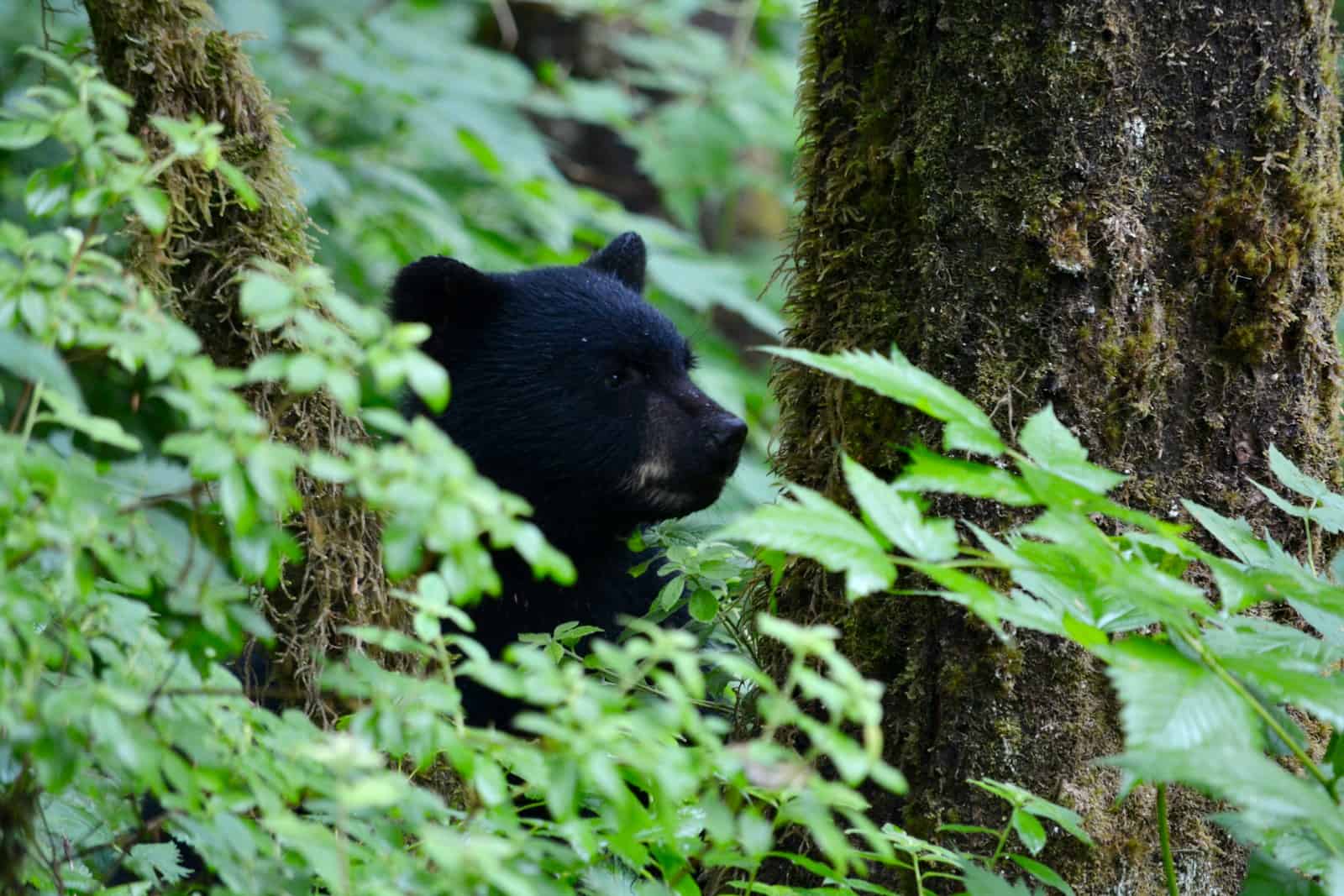
When 12-year-old Mariah Thompson spotted a black bear lumbering through the woods behind her family’s cabin in West Virginia last spring, she didn’t run—she grabbed her phone and snapped a photo. Just fifty years ago, such a sighting would have been nearly unthinkable in these mountains. Today, it’s becoming routine. Across Appalachia, from southern New York to northern Mississippi, a quiet ecological renaissance is unfolding. After more than a century of industrial logging, coal mining, and the devastating loss of the American chestnut—once 25% of the region’s forests—native woodlands are returning, and with them, the wildlife that depends on them.
The consequences of deforestation were once dire: eastern elk vanished, red wolves disappeared, and streams choked with sediment from denuded hillsides. But a century of reforestation, beginning with the Civilian Conservation Corps in the 1930s, laid the groundwork for recovery. Today’s efforts are far more sophisticated. The Appalachian Regional Reforestation Initiative (ARRI), launched in 2004, has transformed how former mining lands are restored. Instead of planting sterile grasses on compacted soil, ARRI promotes the Forestry Reclamation Approach, which loosens soil, uses native topsoil, and plants diverse native trees—mimicking the complex ecosystems that once thrived here.
One of the most impactful projects is led by Green Forests Work, which has planted over 5 million trees across more than 9,000 acres of former mine land. These aren’t just symbolic saplings; they’re the foundation of functional forests. On reclaimed sites in eastern Kentucky, researchers have documented the return of 37 bird species, including the yellow-breasted chat and cerulean warbler—both sensitive to habitat quality. Even the elusive hellbender salamander, a creature that requires clean, oxygen-rich streams, is reappearing in waters once too polluted to support life.
The most striking sign of recovery? The return of apex predators. West Virginia’s black bear population has exploded from fewer than 500 in the 1970s to over 12,000 today—a testament to expanding forest cover and abundant food sources. Bobcats are now common, coyotes have filled ecological gaps, and there are increasing confirmed sightings of cougars, likely pioneers from western populations. In the southern Appalachians, red wolf reintroduction programs offer a fragile hope for one of America’s most endangered mammals.
This isn’t just about wildlife. Restored forests filter water, sequester carbon, and offer new economic pathways through sustainable forestry and ecotourism. As Mariah watches another bear amble past her porch at dusk, she’s not just witnessing a comeback—she’s living in a landscape learning to breathe again.