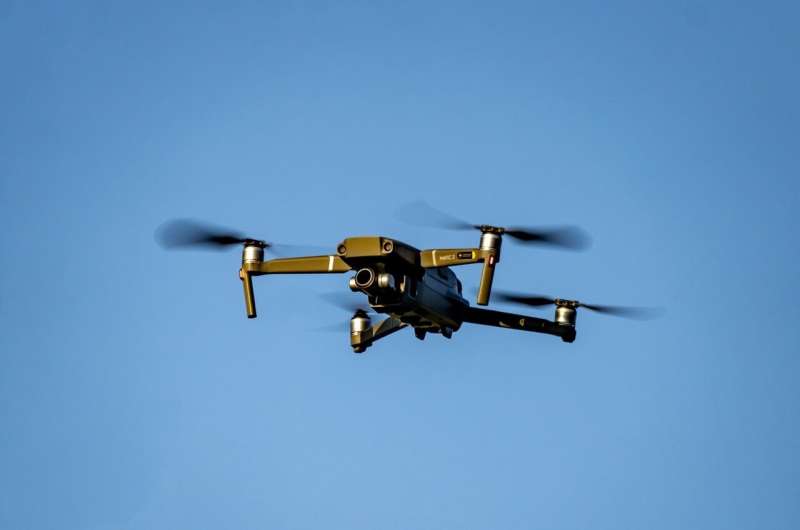
When Jeannette Uwimana's local hospital in rural Rwanda needed blood for a hemorrhaging patient, staff once faced a harrowing drive—hours over unpaved roads—to reach the nearest blood bank. Today, that same hospital can receive life-saving blood products in just 15 minutes, dropped from the sky by a Zipline drone. What once took hours now takes a quarter of an hour, and according to a new study from Wharton researchers, the impact reaches far beyond logistics: mothers are surviving childbirth at dramatically higher rates, trauma patients are pulling through, and hospitals are finally taming the costly problem of expired blood products.
The story begins in 2016, when Rwanda's government partnered with Zipline International Inc. to launch a drone delivery network that would conquer the country's notoriously difficult terrain. After a year of planning, the first drone port opened in Muhanga, roughly 48 kilometers from the capital Kigali. A second port in Kayonza followed in 2019, and by June 2020, the two facilities were serving 29 public hospitals across the country. The mechanics are elegant: when a hospital needs blood, staff send a call or text to the drone port, where workers fulfill the order, pack it beneath a drone, and launch it—all in under 10 minutes. The package drops at a designated collection site while the drone returns autonomously.
But does faster delivery actually save lives? A comprehensive study published in the journal Manufacturing & Service Operations Management says yes, decisively. Researchers found that facilities using drone delivery reduced in-hospital deaths among mothers with postpartum hemorrhage by 51% and cut trauma patient deaths by 30%. The numbers reflect real transformations in care: mothers who once bled out waiting for transport now receive transfusions in time. Wounded patients reach treatment before shock sets in.
The supply chain benefits are equally striking. Rwanda's universal health coverage system—now protecting 93% of the population, the highest rate in sub-Saharan Africa—depends on careful resource stewardship. Blood products are scarce and perishable. Hospitals served by drones reduced their red blood cell inventories by 63%, meaning less money tied up in products that might expire on the shelf. Meanwhile, overall blood wastage dropped by 40%, a critical improvement for a resource that depends entirely on voluntary donors.
"That they have been able to save all these mothers is hugely impactful," said Hummy Song, a professor of operations and decisions at Wharton who co-authored the study alongside Harriet Jeon, Claudio Lucarelli, Jean Baptiste Mazarati of the University of Global Health Equity in Rwanda, and Donatien Ngabo of Rwanda's Ministry of Health. The researchers conducted extensive robustness checks and spoke with clinicians on the ground who described the technology's direct effect on patient care.
Jeon noted that while faster drone delivery seemed intuitive on paper, rigorous evidence about its real-world impact was missing until now. "We expected faster delivery to improve how hospitals manage blood products," she said. "But the study allowed us to quantify just how large those changes were."
For Rwanda's health officials, the findings offer more than validation—they provide a roadmap. As the country continues expanding its health system, Song said the data can guide future investments in medical logistics. "When they think about investing in these innovations, they need to know the impact," he noted. "It's been a privilege to contribute to these conversations and answer their questions with research-backed findings."