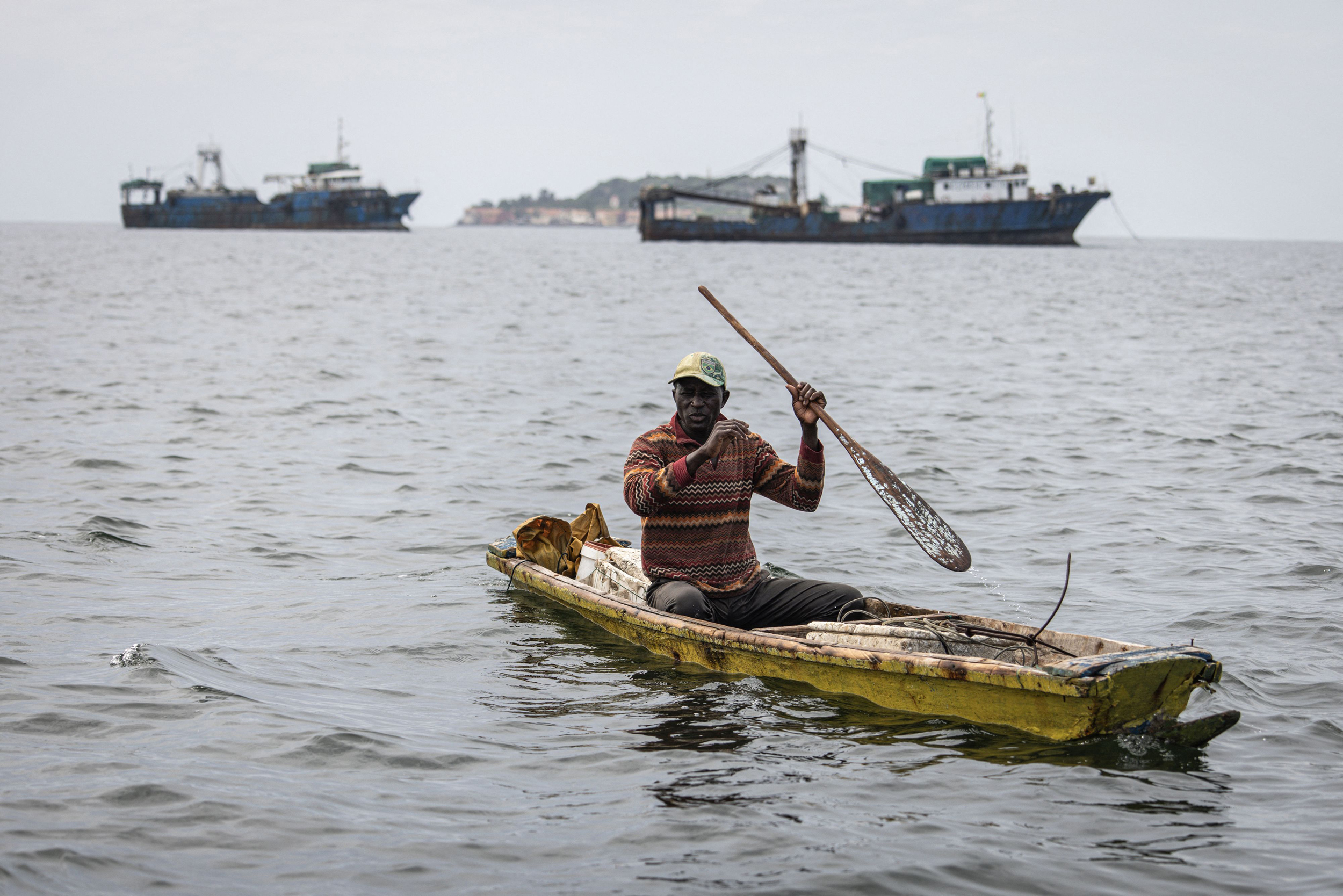
Mamadou Sarr still recalls the days when Senegalese fishermen in Dakar could paddle just one kilometer offshore and return with full nets of sardines and cuttlefish—a tradition sustained for generations. Today, those same fishermen risk their lives traveling nearly 100 kilometers into the Atlantic, chasing dwindling stocks amid industrial overfishing and climate change. “The resource is depleting,” says Sarr, president of the Platform of Artisanal Fishing Stakeholders in Senegal, representing over 50 coastal communities. “With the scarcity, the fishermen who aren’t very aware become poor.” His words echo across the Global South, where illegal fishing drains $50 billion from the global economy each year, threatening food security and livelihoods.
But a turning point emerged in Mombasa, Kenya, where sixteen nations—from Peru to Papua New Guinea, Somalia to South Korea—signed the Mombasa Declaration at the Our Ocean Conference. This landmark agreement pledges a new era of transparency in global fisheries, targeting the shadowy networks that enable illegal, unreported, and unregulated (IUU) fishing. For too long, enforcement has been like “chasing ghosts,” says Amélie Giardini, global lead for fisheries transparency at the Environmental Justice Foundation. “If we do not know who is fishing, what, where, when and how, we will never be able to tackle illegal fishing.”
The declaration commits signatories to a suite of concrete actions: establishing a digitized global vessel registry, assigning unique identifiers to small-scale fishing boats, and tracing the beneficial owners behind vessels caught fishing illegally. These measures aim to dismantle the anonymity that allows criminal fleets to operate with impunity. In West Africa alone, 37% of fish are caught illegally—robbing communities of sardinella, anchovies, and mackerel—and costing the region over $1 billion annually. For Ghana, where 60% of animal protein comes from fish and one in ten citizens works in the sector, the stakes couldn’t be higher. “Our very existence depends on fish,” said Ghanaian fisheries minister Hon. Emelia Arthur.
While Senegal ultimately withdrew from signing at the last minute, and Chile and Gabon joined only at the eleventh hour, the mere existence of the declaration marks progress in a sector long shielded from scrutiny. Unlike mining or oil, fishing has remained largely opaque, leaving a $400 billion industry vulnerable to exploitation. Yet transparency, advocates argue, is not just a tool—it’s a necessity. “In everything—every community, every regulation, every decision, every management—if there is no transparency, we go in the wrong direction,” Sarr insists.
The Mombasa Declaration doesn’t just aim to stop illegal fishing—it seeks to rebuild trust, restore fish stocks, and empower coastal communities. As the world watches, the real test begins: turning promises into patrols, data into deterrence, and light into lasting change.