Greek islanders didn't paint their homes white because it looked pretty on a postcard. They did it because white paint bounces the sun's heat back into space instead of letting it soak into the walls. Before air conditioning existed, people across the world's hot regions built their homes with similar tricks in mind. In Iran, tall chimney-like structures called badgirs — or wind catchers — have been pulling cool air into homes for thousands of years. In Malaysia, families raised their houses on stilts so breezes could flow underneath and keep things comfortable.
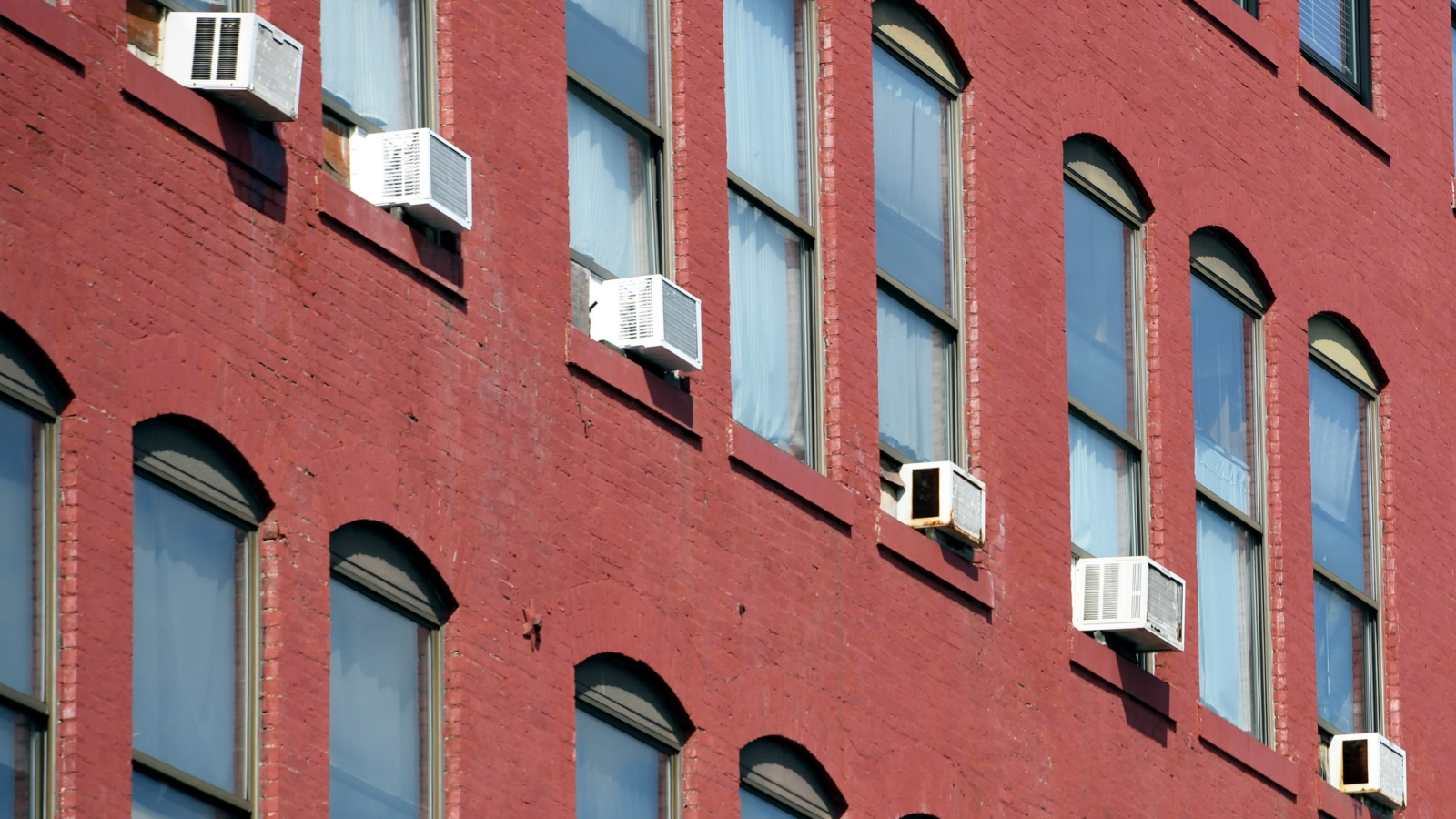
Those ancient strategies are getting a fresh look after a deadly heat wave swept through western Europe last month, killing at least 1,300 people. In the U.S., the picture looks different but no less concerning. Since 1947, when engineer Henry Galson invented what he called "the people's air conditioner" — a cheap, window-mounted unit that made AC available to regular families — American builders stopped designing homes to handle heat on their own. Instead, they built around the assumption that the AC would always be running.
The bet paid off in a big way. According to research, the widespread adoption of air conditioning cut the chance of dying on an extremely hot day by a staggering 80 percent. AC made the scorching American South and Southwest livable, fueling the growth of cities like Phoenix and Houston that now house millions of people.
But there's a catch. When the power goes out — which often happens during heat waves — American homes turn into ovens. "If you lose power in the middle of an extreme heat wave, you've got hours before you need to get out," said Alexander Gard-Murray, who leads Passive House Massachusetts, a group that promotes building homes that stay cool naturally.
That's where older wisdom comes back in. Simple moves like planting shade trees, adding awnings over windows, and using lighter-colored materials on roofs can help — and when paired with better insulation and sealed doors, these passive cooling tricks can cut electricity bills in half. The goal isn't to throw out air conditioners entirely, but to make them work less hard so they don't become a matter of life or death when the grid fails.
"If something does go wrong, if the power goes out, you're still going to be okay," Gard-Murray said.