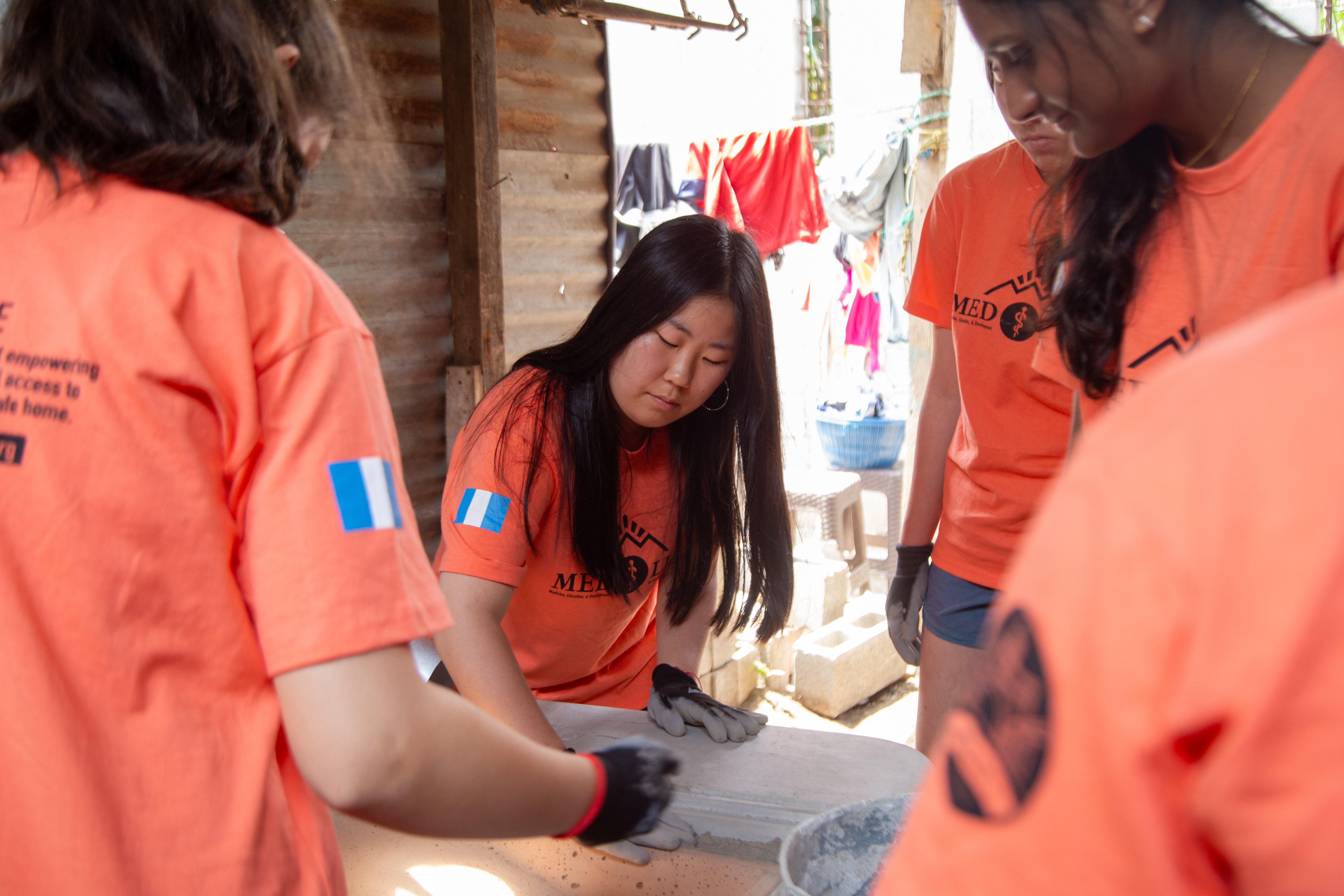
When 19-year-old engineering student Clara Mendoza climbed the steep hills of Lomas de Uchumayo outside Lima, she wasn’t just hiking—she was about to help build a staircase that would become a lifeline for 300 families. In 2026, the United Nations will mark the International Year of Volunteers for Sustainable Development, a global call to action that shifts volunteerism from short-term aid to lasting, community-led change. For organizations like Safe Homes Movement, this moment is not just symbolic—it’s transformative. Around the world, millions lack access to basic services not because of policy failure alone, but because they live in places where a simple walk to school or a clinic means navigating unstable slopes, mudslides, and crumbling paths. In neighborhoods like these, a staircase isn’t just infrastructure—it’s dignity, safety, and opportunity.
The numbers tell a powerful story: over 60% of residents in hillside communities like those in Lima and rural Ecuador report missing medical appointments or school due to unsafe pathways. Safe Homes Movement addresses this by partnering directly with local leaders to co-design and co-build sustainable infrastructure. Their "Hand-in-Hand" model ensures that community members contribute 50% of the labor and material costs, fostering ownership and long-term maintenance. Since 2018, the organization has completed 42 projects across South America and Africa, including 17 safe housing units, 14 retaining walls, and over 8 kilometers of staircases that now serve more than 12,000 people. These are not temporary fixes—they’re engineered to last decades, built with reinforced concrete and designed by local architects alongside international volunteers.
What sets this model apart is its reciprocity. Volunteers—often engineering or urban planning students—don’t just donate labor; they learn. They solve real-world challenges like soil erosion and water runoff with limited resources, gaining field experience that no classroom can replicate. At the same time, communities gain not just safer access, but stronger social infrastructure. Insect-borne infections have dropped by 34% in areas where new housing includes screened windows and proper sanitation, and school attendance among children has increased by nearly 50% where safe staircases now exist.
As the 2026 International Year of Volunteers for Sustainable Development approaches, the invitation is clear: volunteerism must evolve. It’s no longer about flying in, building something, and flying out. It’s about showing up, listening, and building together—step by step, hand in hand. For those ready to trade charity for solidarity, the path forward is already being built.