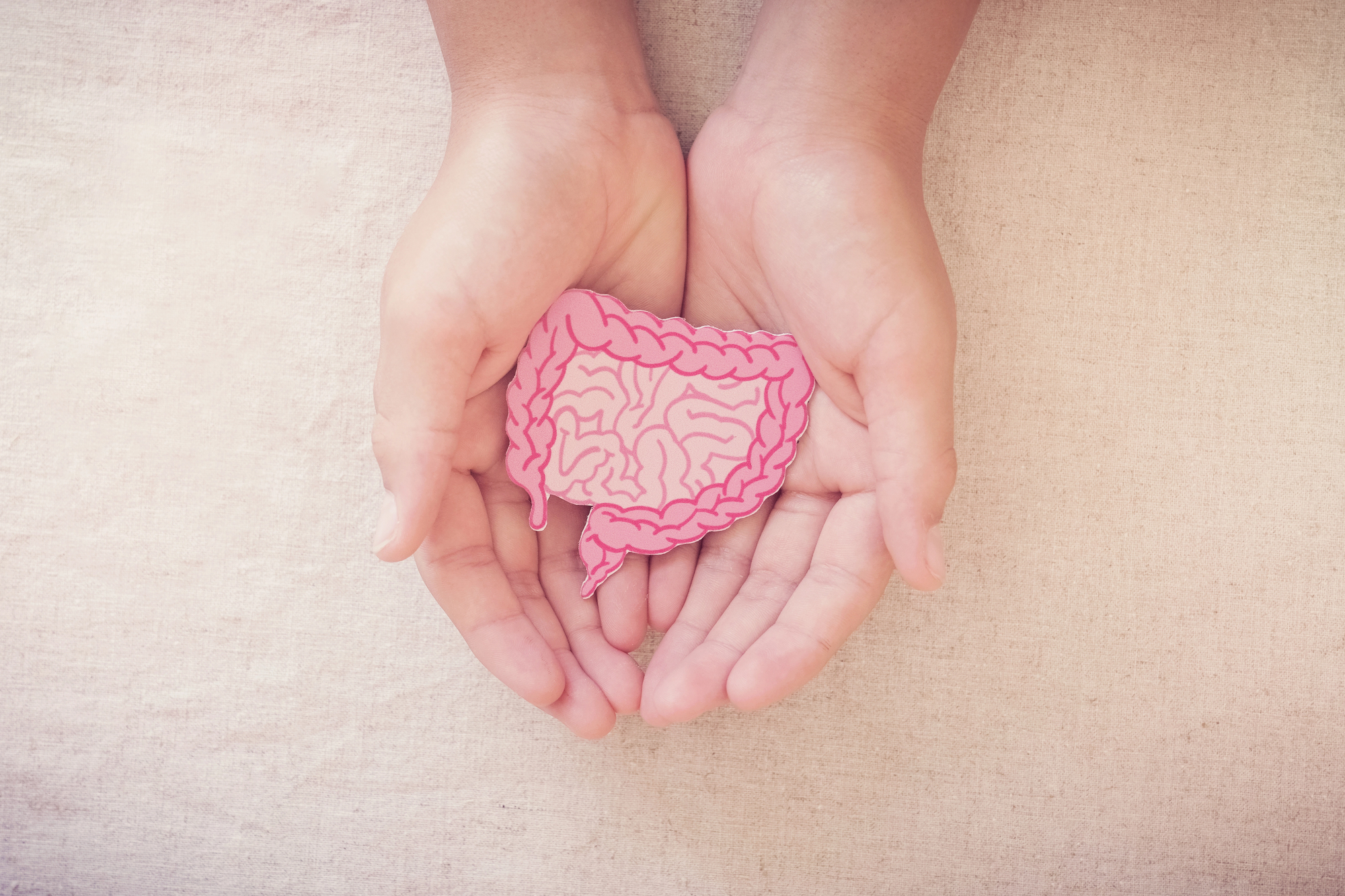
Trisha Pasricha, a gastroenterologist at Beth Israel in Boston, keeps a simple promise for patients who feel off-kilter in their digestion: try five small changes for 30 days, and see what shifts. No prescriptions, no invasive tests—just daily habits grounded in science and shaped by years of clinical observation. For many, the relief begins within days. For others, the clarity is what matters most: finally understanding that bloating, sluggishness, or discomfort isn’t just how life has to feel.
Pasricha’s approach starts with a surprising insight—most people are pooping in the wrong position. Sitting on a standard toilet kinks the colon, tightening a key muscle that hinders complete evacuation. By simply raising the knees above the hips using a footstool or even a repurposed trash can, the colon straightens, and the body does the rest. Studies in healthy adults confirm the benefit, and Pasricha says patients are nearly unanimous in their response: "I had no idea it could feel this easy."
Next comes fiber—the cornerstone of gut health that 95% of Americans don’t get enough of. Pasricha doesn’t just recommend more fiber; she insists on timing it right. A high-fiber breakfast with foods like oats, fruit, or psyllium husk kickstarts digestion for the day, while snacks like raw vegetables or lentils maintain momentum. When patients worry that increased frequency and softer stools mean something’s wrong, she reassures them: "It’s not diarrhea. It’s what healthy digestion looks like."
For the next 30 days, Pasricha also asks patients to cut back on three major gut disruptors: ultra-processed foods, alcohol, and NSAIDs like ibuprofen and naproxen. These substances damage the gut lining, alter the microbiome, and are linked to rising rates of early-onset colorectal cancer. While medically necessary NSAID use should continue, daily over-the-counter use for minor aches is a habit worth reevaluating.
Movement, especially in the morning, supports natural colon activity. A daily walk does more than aid digestion—it reduces long-term colorectal cancer risk. And finally, Pasricha treats stress not as background noise but as a digestive trigger. Poor sleep, anxiety, and emotional strain all disrupt gut motility and microbial balance. A morning walk, good sleep hygiene, or mindfulness practices become part of the gut reset not as add-ons, but as essential pillars.
After a month, many patients report less bloating, more regularity, and unexpected energy boosts. Some continue the habits for life. The real win, Pasricha says, is realizing that small, consistent changes can restore balance—no magic required, just attention.