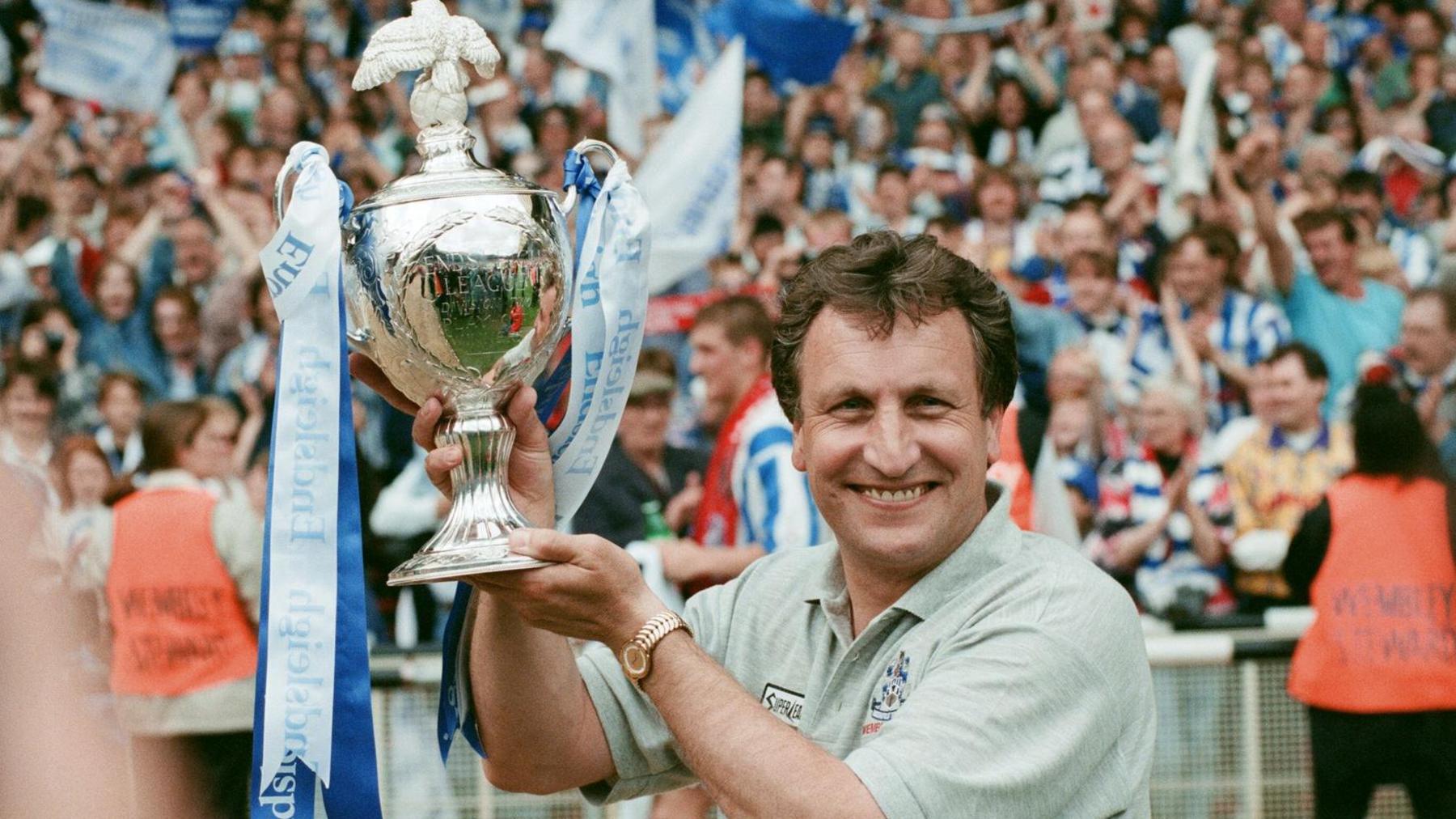
Neil Warnock, at 77, holds a record that may never be touched: eight promotions across English football, four of them sealed in high-stakes playoff finals at Wembley. Over a career spanning 1,629 games, the legendary manager has guided Notts County (twice), Huddersfield Town, and Plymouth Argyle to promotion glory when it mattered most—a feat no other manager has matched. "If you could guarantee going up through the play-offs you'd take it every day," Warnock reflects with the clarity of someone who has lived that dream four times.
The magic of a Wembley promotion stays with a manager long after the final whistle. Warnock remembers the open-top bus rides, the town hall steps, the drive home celebrating with players and fans—moments that define a career in sport. His first play-off victory came with Notts County in 1990 after finishing third in what is now League One. A year later, he guided the same club to back-to-back promotion, this time from the second tier. Plymouth's Division Three championship in 1996 followed a fourth-place finish, and Huddersfield Town's 1995 promotion was particularly poignant—they were the final side to make the third-tier playoffs that season, when only the champions went straight up.
What sets Warnock apart isn't just winning; it's how he prepares teams for the pressure. His formula, refined across four victories, begins two weeks before the final. He gives players a few days off, then whisks them away to the Belfry Golf Club near Birmingham for three days of team building and mental reset. Back at the training ground, he methodically removes every external distraction—all family ticket allocations are handled, every administrative burden solved. The final week becomes deliberately normal, grounding the team before the storm. They stay at the same hotel, the Hilton in London, where the top floor offers views of arriving fans. A midday team meeting, a trip to the ground the day before for photographs and familiarization—Warnock made sure his players had nothing left to worry about except the match itself.
His understanding of playoff psychology is equally sharp. Three of his four successes came as the higher-ranked side entering the shootout, and he's long observed that pressure cuts both ways. "I don't think there's as much pressure when you finish in sixth position and you're playing the team that finished third," he explains. "I think the pressure is always on the top sides that feel a little bit aggrieved at missing out on automatic promotion." The manager who learned to read this dynamic better than most has also tasted its sting. Sheffield United's 3-0 playoff final defeat to Wolverhampton Wanderers in Cardiff in 2003 remains his only final loss. Warnock was sent to the stands after questioning the referee's decisions at halftime, forced to watch from the stands as Michael Brown's second-half penalty was saved, ending hopes of a remarkable comeback.
Yet even that defeat hasn't dimmed Warnock's faith in the playoff process. Having managed through 36 years of high-stakes cup ties, he knows the rub of the green matters—but so does preparation, calm, and removing every obstacle between your players and their moment. At 77, with his record secure, Warnock has proved that when it comes to playoff football, he wrote the playbook.