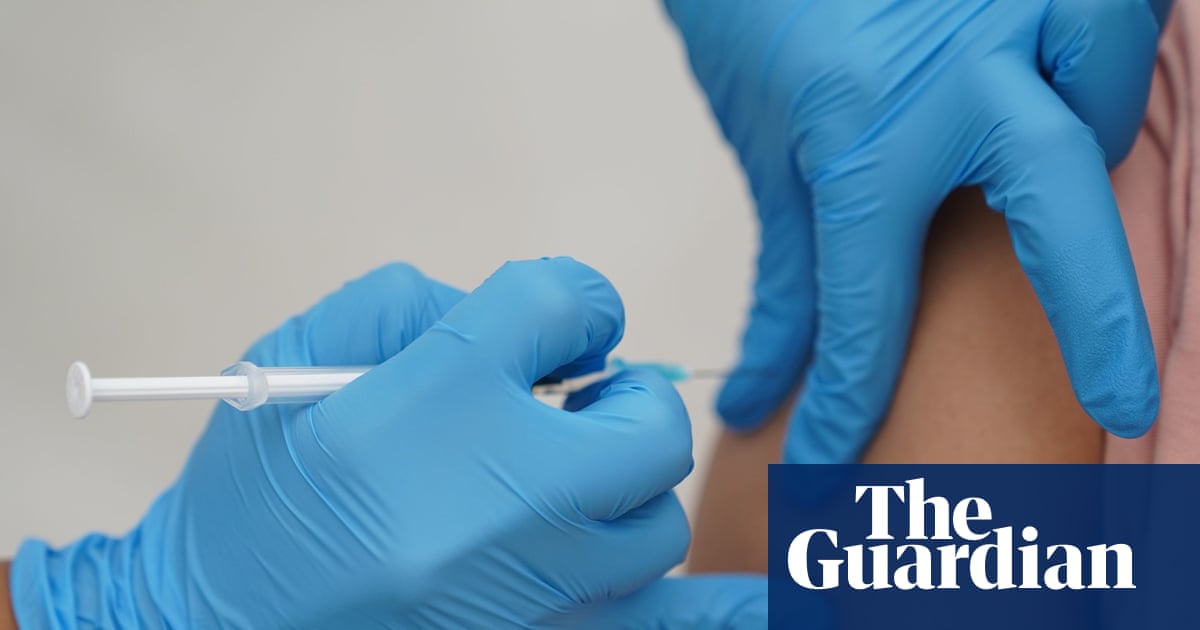
In the years between 2020 and 2024, not a single woman under 25 died from cervical cancer in England—a quiet but seismic shift in public health history. This unprecedented milestone is the result of a powerful intervention: the HPV vaccine, now proven to slash the risk of dying from cervical cancer before age 30 to almost zero. For the first time, researchers have quantified the vaccine’s life-saving impact, revealing that vaccinated women aged 30 to 34 face a 63% lower risk of dying from the disease. The study, led by Professor Peter Sasieni at Queen Mary University of London and funded by Cancer Research UK, analyzed national cancer mortality and vaccination data, confirming what many hoped but could not yet prove: the HPV jab is transforming cervical cancer from a common threat into a preventable rarity.
Cervical cancer, driven by high-risk strains of HPV, was once the fourth most common cancer in women worldwide. In England alone, about 3,300 are diagnosed each year. But since the vaccine’s introduction in 2008 for girls aged 12 and 13—later extended to boys—the trajectory has shifted dramatically. The research, published in The Lancet, estimates that nearly 200 young women have already been spared from dying due to the vaccine. For those born between 1995 and 2004, with vaccination uptake nearing 90%, the long-term outlook is even more hopeful: thousands of cervical cancer deaths could be prevented in the decades ahead.
Yet this progress is now at risk. National HPV vaccination rates have dipped from near-target levels to just 75%, with only 60% of teens vaccinated in London. Without urgent action, experts warn of a reversal: up to 25 avoidable deaths annually in young women, rising to about 200 preventable deaths per year in the future. “HPV vaccination combined with cervical screening could reduce cervical cancer rates to the point where almost no one develops it,” said Sasieni. But that vision hinges on access and trust.
Public health leaders, from Cancer Research UK to the Royal College of Obstetricians and Gynaecologists, are calling for targeted outreach, especially in communities with low uptake. Expanding access through local pharmacies and school catch-up programs is a start, but broader awareness and equity are essential. The NHS aims to eliminate cervical cancer by 2040, and this data proves it’s possible. As Caroline Temmink, NHS Director of Vaccination, put it: “Cervical cancer and some other cancers shouldn’t be a risk for you.” That promise, once aspirational, is now within reach—if we act before momentum is lost.