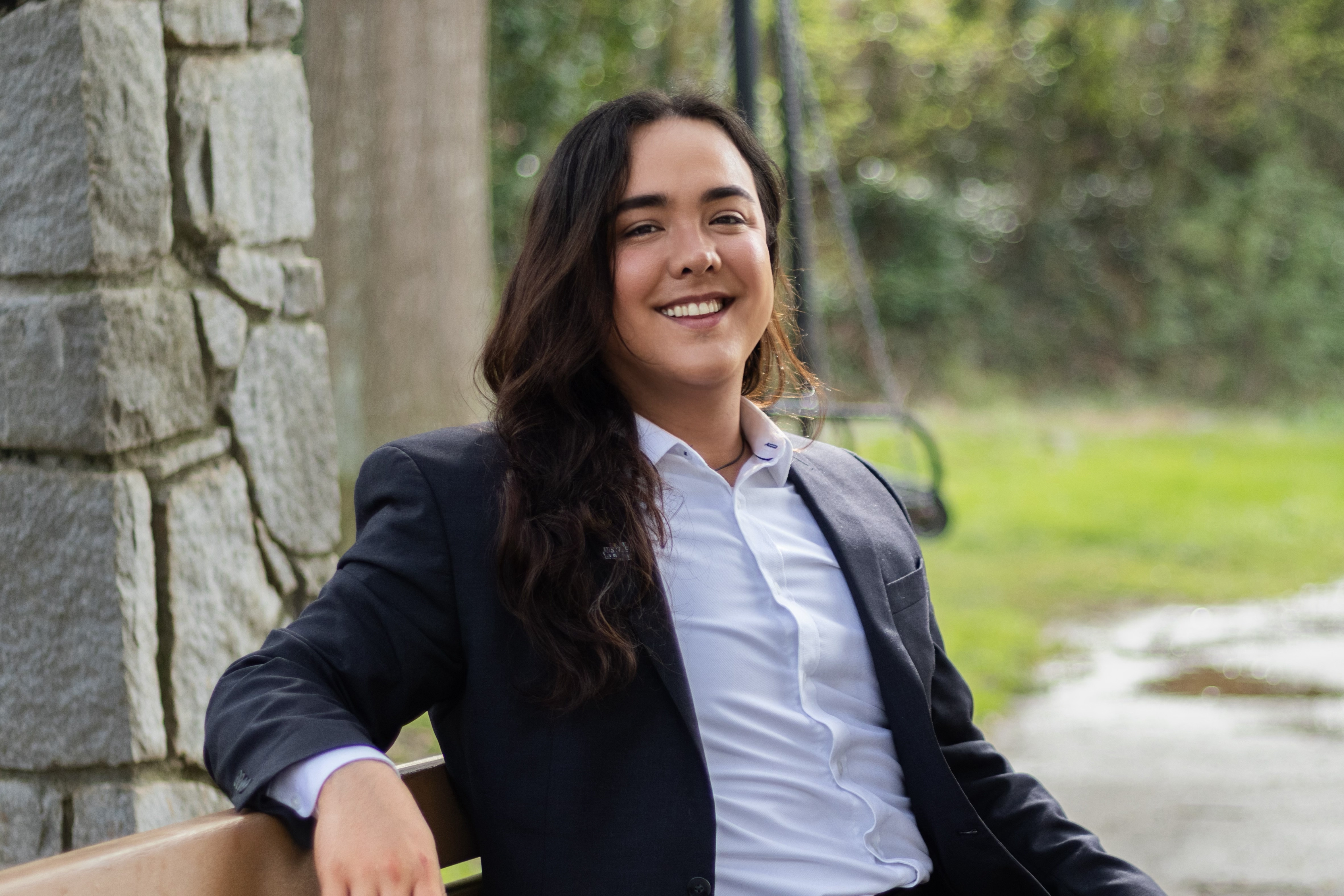
In a Georgia statehouse long dominated by voices that haven't always made room for LGBTQ+ perspectives, Bentley Hudgins just won a Democratic primary that will likely change that. The HRC-endorsed candidate claimed victory in the race for the Georgia House District 90 seat, positioning themselves to become the first openly non-binary legislator in the state — a milestone that reflects how far Georgia's political landscape has shifted, and how far it still has to go.
Why this matters is simple: representation shapes which stories get told in legislative chambers, which communities get heard, and which rights get protected. For LGBTQ+ Georgians, especially younger ones, seeing themselves reflected in their elected officials isn't a luxury — it's a signal that their dignity and futures matter in the halls of power. Hudgins arrives at that moment with credentials earned through a decade of organizing work that moved beyond symbolic gestures into concrete impact.
Before running for the State House, Hudgins spent three years as HRC's Georgia State Director, a role that required building something harder than a campaign: actual people power. The numbers tell the story. They registered thousands of voters across the state and helped over 20,000 Georgians access COVID vaccines during a moment when trust in institutions was fracturing. Before that, Hudgins worked at the ACLU, the Georgia AFL-CIO, the Georgia Budget and Policy Institute, and the New Georgia Project — organizations whose work touches economic justice, workers' rights, and voting access alongside LGBTQ+ equality. They're a Mercer University graduate and Georgia native, which matters in a state where the difference between an outsider and a neighbor often determines whether someone listens.
Kelley Robinson, president of the Human Rights Campaign, framed the victory as validation of Hudgins' approach: "Bentley has built a campaign rooted in service, community, and the belief that every Georgian deserves dignity and opportunity." That framing — dignity and opportunity as democratic basics rather than special favors — is deliberate. It reflects how conversations about LGBTQ+ rights have evolved, moving from debates about acceptance to conversations about safety, access, and belonging alongside everyone else.
The broader context amplifies what Hudgins' primary win suggests. Georgia is home to more than 2.2 million "Equality Voters" — people who prioritize LGBTQ+ rights at the ballot box. They're younger, more racially diverse, and more female than the general electorate, making them a powerful voting bloc that politicians ignore at their peril. HRC's work in Georgia over recent years has helped demonstrate that investment: none of the fourteen anti-LGBTQ+ bills that passed in the most recent legislative session became law, a result of sustained organizing and political pressure.
Still, a primary victory isn't a general election win. Hudgins faces the November ballot, where the real test awaits. But in a state that has grown younger and more diverse, where LGBTQ+ Georgians have become more visible and more organized, the outcome already signals something worth noticing: the voters of District 90 looked at an openly non-binary candidate rooted in years of community work and decided that's exactly who they wanted representing them in Atlanta. That's the kind of shift that changes institutions from the inside.