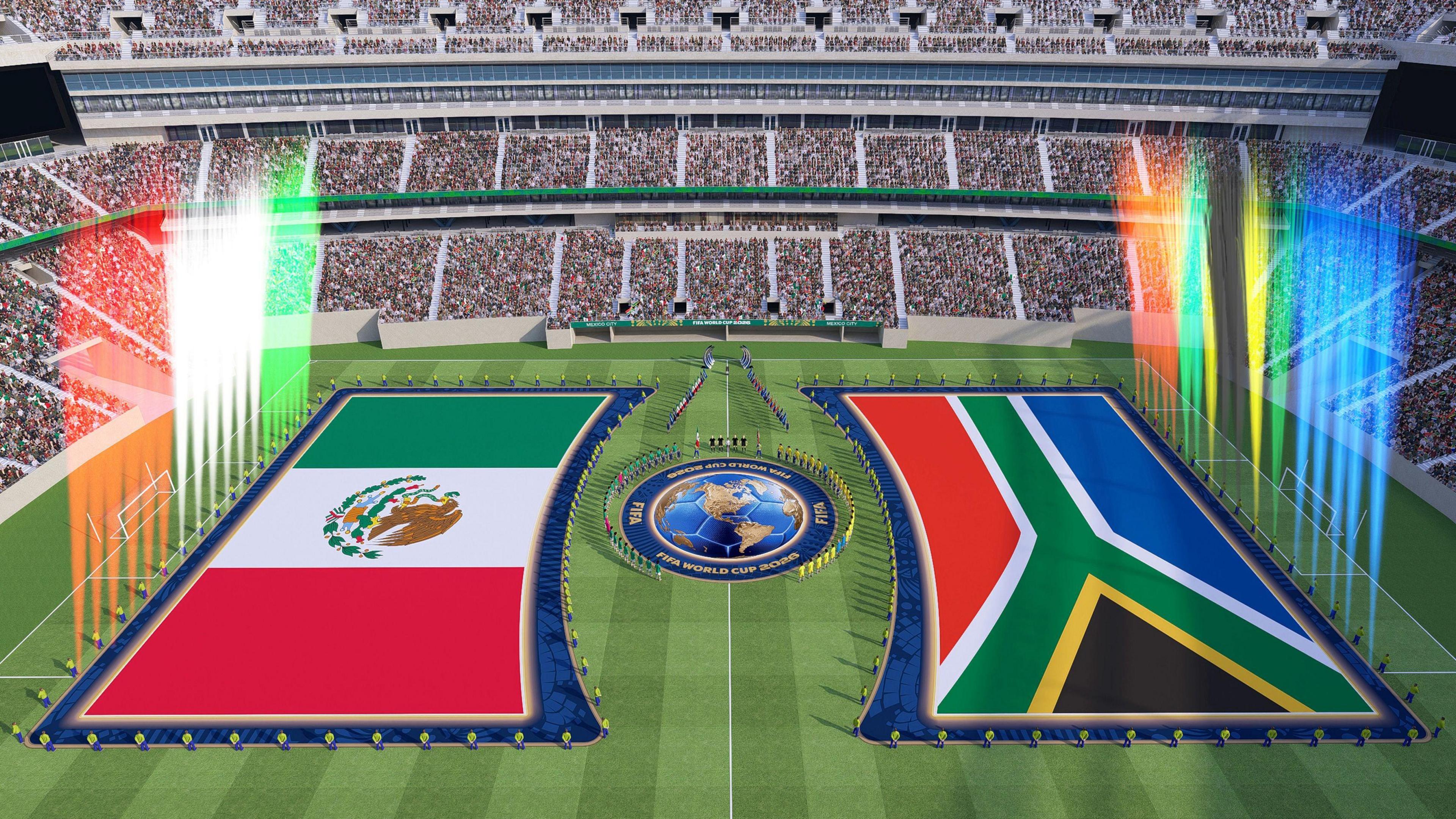
Under the glow of stadium lights in Metro Detroit, where the 2026 FIFA World Cup will kick off, a new ritual is about to unfold—one that places every player at the heart of the spectacle. For the first time in World Cup history, all available squad members—up to 52 in total—will gather at the centre circle for the national anthems, wrapped in the roar of the crowd and the sweep of extra-large national flags unfurled behind them. This isn’t just a change in formation; it’s a reimagining of football’s most sacred pre-match moment, designed to amplify unity, pride, and the electric connection between players and fans.
FIFA’s decision comes after criticism of the individual player walk-ons during the 2025 Club World Cup, which extended pre-match ceremonies and delayed kick-offs. Learning from that experiment, football’s global governing body has crafted a 360-degree experience meant to engage every corner of the stadium. From the moment squads enter through a dedicated arch—mascots in tow—to their convergence at the centre circle, the ceremony is choreographed to be inclusive and immersive. It marks a shift from the traditional lineup, where starting XIs stood in rigid formation facing a single stand, to a circular embrace that symbolizes equality and collective spirit.
The numbers speak to the scale of this transformation: 48 teams will compete in 2026, the largest tournament in World Cup history, and each matchday squad can include up to 26 players—meaning more athletes than ever will share that central moment of silence and song. As FIFA President Gianni Infantino put it, “Having all players and referees face each other in the centre circle during the national anthems will create a moment of unity, pride and emotion that truly belongs to the teams and to everyone.” Later in the tournament, the ceremony will evolve further, with bursts of coloured smoke and pyrotechnics elevating the sensory impact, turning each match into a shared celebration of culture and competition.
This isn’t merely about spectacle—it’s about belonging. By bringing substitutes, starters, and officials together in one visible circle, FIFA acknowledges that every person in the squad contributes to the journey. Fans, too, are no longer passive observers but part of a collective experience designed to resonate from every seat. As the World Cup expands in size and ambition, so too does its capacity to unite. And when those anthems play, with flags billowing and smoke rising in vibrant hues, the message will be clear: football belongs to all of us.