When a mouse loses part of its digit, the wound closes with a scar—just like in humans. But in a lab at Texas A&M, something extraordinary happened: after a precise two-step treatment, that same mouse began regenerating bone, ligaments, and joint structures, not just sealing the injury. "We regenerated what you would expect to see at that level of injury," says Dr. Ken Muneoka, a professor at the Texas A&M College of Veterinary Medicine and Biomedical Sciences. "The structures are there, just not in a perfect form." This isn’t science fiction—it’s a glimpse into a future where humans might heal not by scarring, but by rebuilding.
For centuries, the question has lingered: why can salamanders regrow entire limbs, but humans can’t? Muneoka has spent his career chasing that mystery, and his team’s latest study, published in Nature Communications, brings us closer to an answer. The breakthrough lies not in adding new cells, but in reprogramming the ones already present. When we’re injured, our body’s default response is fibrosis—fibroblast cells rush in to form scar tissue, sealing the wound fast but blocking regeneration. In regenerative animals, those same cells form a blastema, a biological workshop for regrowth. Muneoka’s team found a way to redirect mammalian cells to do the same.
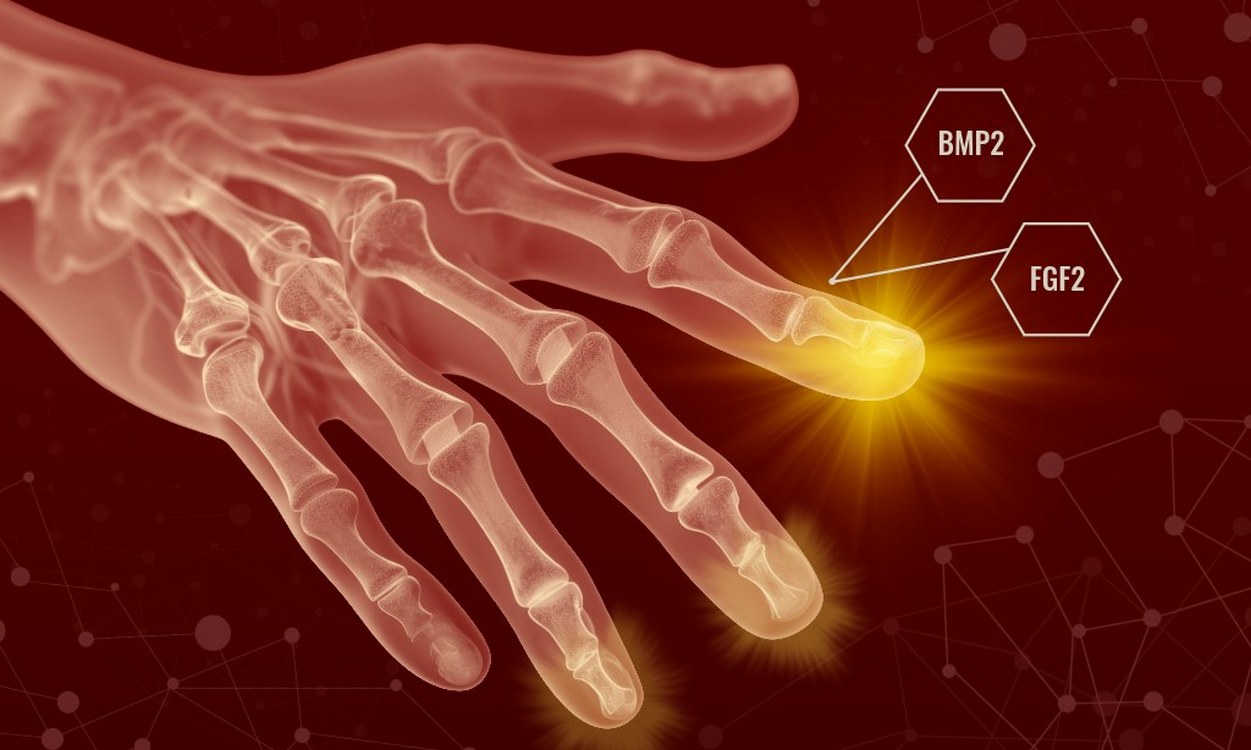
Their method is elegantly simple: first, apply fibroblast growth factor 2 (FGF2) after the wound has closed, coaxing fibroblasts to form a blastema-like structure. Days later, follow up with bone morphogenetic protein 2 (BMP2), instructing those cells to build bone and connective tissues. This two-step sequence—"shift the cells away from scarring, and then tell them what to build," as Muneoka puts it—led to the regrowth of key anatomical components lost in amputation, including tendon, ligament, and joint architecture. Crucially, no external stem cells were needed. The body already has the tools; it just needs the right signals.
The regenerated structures weren’t perfect replicas, but they contained all the expected tissues, organized in a way that mirrors natural anatomy. Even more surprising, the study demonstrated positional re-specification—the ability to reprogram cells to build structures outside their original location, a phenomenon vital in embryonic development. This suggests our cells may be far more flexible than previously thought.
While full limb regeneration remains distant, the therapy’s near-term potential is promising. Because BMP2 is already FDA approved for certain orthopedic procedures and FGF2 is in multiple clinical trials, translating this approach to human wound care could happen faster than expected. The immediate goal? Reduce scarring and improve tissue repair after injuries or amputations. "Even shifting the response slightly away from scarring could have real benefits," Muneoka says. For millions living with chronic wounds or limb loss, that small shift could be life-changing. And for the rest of us, it’s a sign that the body’s deepest healing powers may have been there all along—waiting for the right signal to wake up.