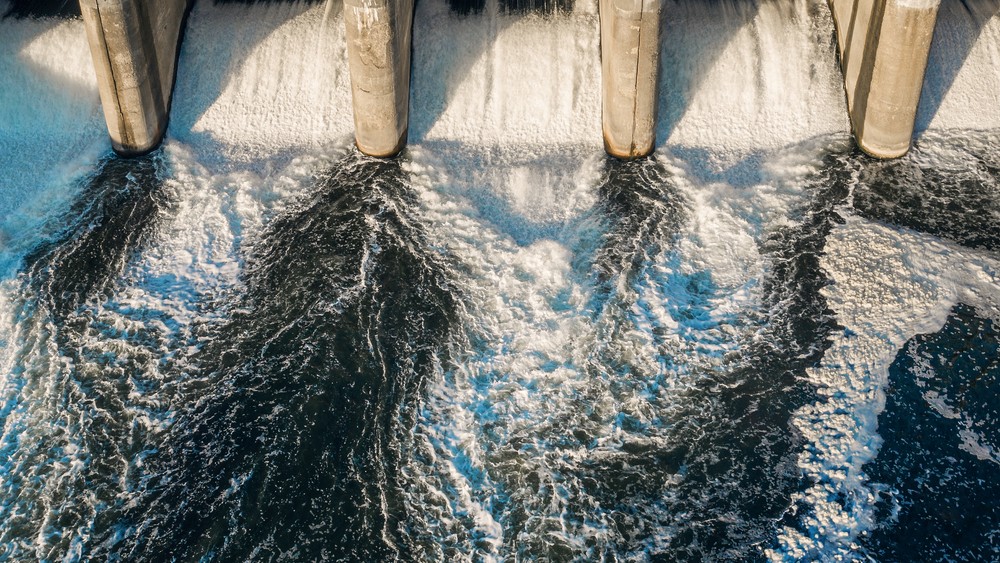
In the shadow of the Pyrenees, an old hydropower dam sits mostly quiet. Most days, it runs at just 19 percent of what it could produce. But soon, wind turbines and solar panels might share its grounds — turning this sleepy giant into a powerhouse of clean energy. A new report by the think tank Ember shows this isn't just a dream. Across seven European countries, existing hydropower dams could host 25 gigawatts of additional wind and solar capacity without building a single new power line.
That's enough clean electricity to light up millions of homes, and it would use connections to the grid that already exist. Right now, new renewable projects face a massive traffic jam — more than 2,500 gigawatts of wind, solar, and battery projects worldwide are stuck waiting for permission to connect. Building hybrid projects beside existing hydropower dams could ease that bottleneck by letting new clean energy ride on old transmission infrastructure.
The seven countries with this potential are Austria, Bulgaria, France, Italy, Portugal, Romania, and Spain. Ember estimates that hybrid projects could help these nations meet 18 percent of the new renewable energy they expect to need by 2030 — all without requiring new power lines. That means less paperwork, less waiting, and less money spent on expanding the grid.
Spain and Portugal are already ahead of the curve. They have rules in place for hybrid renewable projects. The other five countries still need to create similar regulations. But the opportunity is clear: hydropower plants currently sit idle much of the time. Adding solar could push their output up to 31 percent of capacity, while adding wind could push it to 36 percent — nearly doubling their contribution to clean energy.
The IEA (International Energy Agency) notes that grid investment worldwide needs to climb by about 50 percent by 2030, rising from today's $400 billion annually. That's a huge sum. But hybrid projects offer a shortcut: instead of spending billions on new transmission lines, countries can squeeze more clean power from what they already have.
Hydroelectric power is sometimes called the "forgotten giant" of electricity — it's the world's third-largest power source, producing roughly 14 percent of all electricity globally. In 2024, it generated about 4,500 terawatt-hours, roughly equal to all the world's solar and wind power combined. Tapping into that infrastructure for hybrid projects could be a game-changer as Europe races to meet its climate goals.
The path forward requires governments to update their rules so companies can build wind and solar right next to dams. Where rules already exist, projects are moving forward. Extending those frameworks across Europe could unlock a wave of clean energy — using old dams to power a new era of renewables.