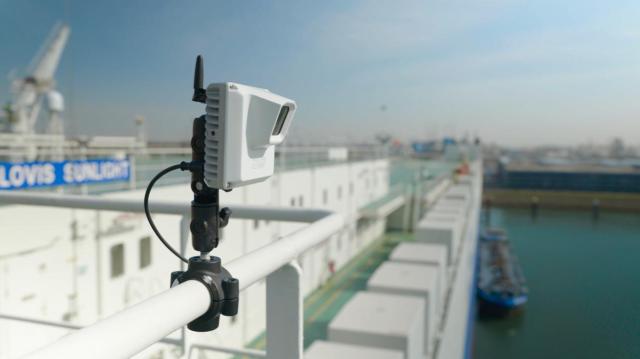
When a cargo ship leaves port, it's usually carrying cars. What Hyundai Glovis's vessels are now also collecting is data—thousands of photographs of floating plastic waste from across the Pacific, automatically snapped and geotagged by cameras that might just help us understand where the ocean's trash is concentrating. On May 21, Hyundai Glovis announced it's extending its partnership with the global nonprofit Ocean Cleanup through 2030, a commitment that transforms the company's massive logistics network into a monitoring system for one of the planet's most pressing environmental crises.
The partnership began in 2023 with a simple but powerful idea: repurpose working cargo vessels as environmental sentries. Hyundai Glovis installed the Automated Debris Imaging System—ADIS—on its fleet, a technology developed by Ocean Cleanup that uses onboard cameras to automatically detect, photograph, and locate floating plastic waste. The system works quietly in the background as ships move through major shipping routes, collecting real-time intelligence about where plastic accumulates. As of March 2024, this approach has already enabled the collection of over 50,000 tons of plastic waste, a concrete measure of impact that underscores the method's scale and effectiveness.
Currently, Hyundai Glovis operates 20 ADIS cameras across 10 of its Pure Car and Truck Carriers (PCTCs), each vessel contributing to an expanding map of marine plastic hotspots in the Pacific and beyond. The data flows directly to Ocean Cleanup, giving the organization unprecedented visibility into accumulation zones and patterns that human observers could never map as thoroughly. This is not theoretical environmental work—it's actionable intelligence gathered from the world's busiest shipping lanes, turning commerce into conservation.
What makes this partnership particularly significant is its leverage of existing infrastructure. Hyundai Glovis doesn't need to build new ships or deploy special research vessels; it simply adds cameras to cargo carriers that are already crossing the oceans. This efficiency means the monitoring scales without proportional cost, and the company has already signaled plans to expand the number of vessels equipped with ADIS. The representative from Hyundai Glovis summed up the pragmatism: "We will continue to leverage our global maritime network and logistics capabilities to make a tangible contribution to environmental protection."
The three-year track record matters here. Since 2023, the partnership has moved beyond pilot stage into proven operational success. Over 50,000 tons collected represents real material removal from the ocean—material that would otherwise fragment into microplastics or entangle wildlife. And the scope keeps widening. By extending through 2030 and broadening the collaboration, Hyundai Glovis is signaling that this isn't a corporate greenwashing gesture but a strategic commitment to embedding environmental monitoring into its core business model.
For Ocean Cleanup, the partnership solves a foundational challenge: knowing where to focus resources. For Hyundai Glovis, it demonstrates that global corporations can address planetary-scale problems not by pivoting entirely away from their business, but by integrating environmental purpose into their existing networks. As the company continues to explore collaborative options across its global logistics footprint, the model hints at a future where commercial fleets become guardians of the waters they traverse.