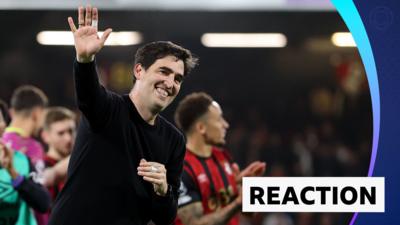
On a historic afternoon at the Vitality Stadium, Bournemouth secured European football for the first time in the club's entire history with a 1-1 draw against Manchester City. For a modest club that just a decade ago competed in the lower divisions, this moment represents a seismic shift in their trajectory—and it came at the perfect time, on the final home match of manager Andoni Iraola before his summer departure.
The significance of European qualification cannot be overstated for Bournemouth. For 127 years, the club had never reached this milestone, despite countless seasons of competitive football across England's leagues. To achieve it now, against one of the world's dominant teams in Manchester City, speaks to the sustained quality and ambition that Iraola has instilled during his tenure. This is not a flash in the pan; it is the culmination of careful squad building and tactical discipline that has transformed Bournemouth into a genuine European contender.
The 1-1 result was fitting for a match that carried such weight. Bournemouth matched City's intensity and quality on the pitch, neither side willing to surrender ground despite the enormous stakes for both teams. For the departing Spanish manager, the moment carried particular poignancy. Iraola, having shaped this squad and led them to this unprecedented achievement, will hand over the reins to his successor with the club in its strongest-ever position. In an era where managerial tenure is increasingly fragile, Iraola has used his time to build something lasting.
The manager himself captured the emotion of the occasion perfectly. "I couldn't ask for more," Iraola reflected, a statement that encapsulates both the joy of the achievement and perhaps a sense of completeness about his work with the club. To deliver European football on the eve of departure is a rare gift for any manager—a legacy that will endure long after he has moved on. His final home match will be remembered not as an ending, but as a beginning for Bournemouth's European adventure.
This qualification reshapes the entire landscape for the club. The additional revenue from European competition, the prestige of competing on that stage, the ability to attract higher-caliber players—all of these doors now open before Bournemouth. The next manager inherits not a team rebuilding or searching for direction, but one that has already proven it belongs among Europe's contenders. That is the true mark of Iraola's achievement.
For the supporters who have waited 127 years for this moment, and for a community that has watched their team rise from relative obscurity to continental status, this draw against Manchester City represents vindication of a patient, ambitious project. Bournemouth has shown that success is not the province of the wealthy elite alone. With smart decisions, tactical astuteness, and unwavering commitment, a club can transcend its history and write a new chapter. As Iraola departs and the club prepares for its European debut, Bournemouth stands on the threshold of something genuinely transformative.