Paola Marra walked into Rankin's pop-up studio on Carnaby Street just before Christmas 2023 to have one final portrait taken—a last image for her social media before she traveled to Switzerland to end her life at Dignitas. The 53-year-old former music industry and charity worker, dying of terminal bowel cancer, gave the finger to the camera with a defiant smile. That photograph, released the day after her death in March 2024, would become the emotional centerpiece of a campaign to revive England and Wales' assisted dying bill—a piece of legislation that passed Parliament's Commons chamber only to stall in the Lords, weighed down by approximately 1,200 amendments from a small handful of peers.
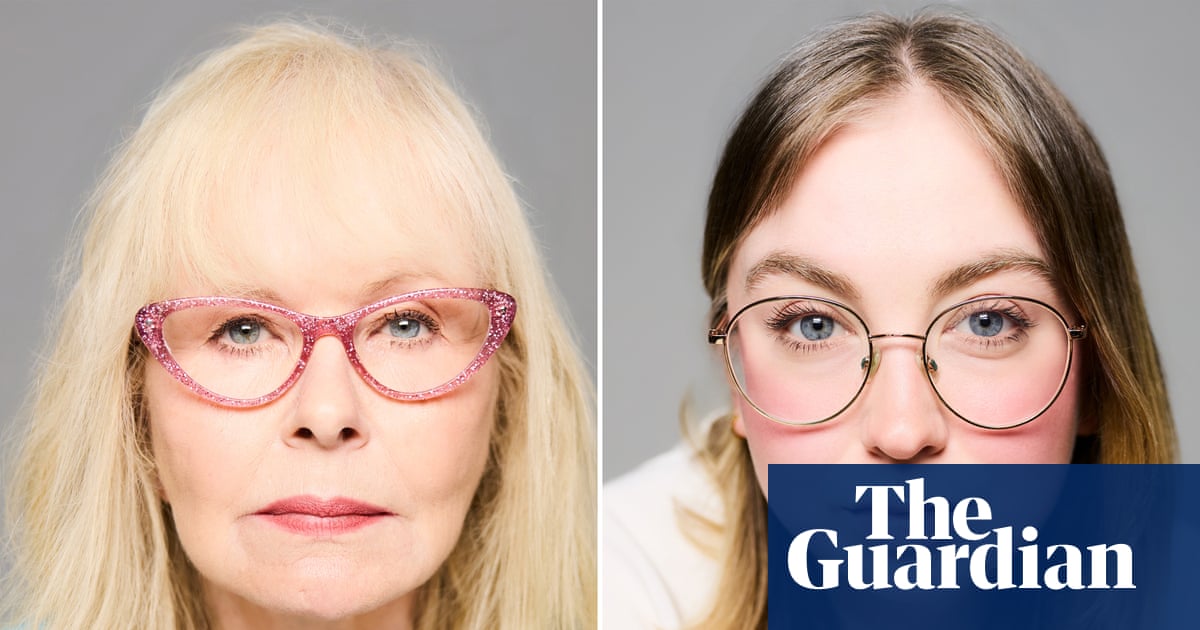
The image of Marra matters because it humanizes a debate often conducted in abstract legal and ethical terms. Photographer and director Rankin, who has spent years challenging British taboos around mortality through projects like his 2013 exhibition Alive in the Face of Death, describes the moment as "a punch to the stomach." Now, working with the campaign group Dignity in Dying, he has released a new series of videos featuring eight people aged 19 to 77 who are terminally ill or will eventually reach that stage. These are not celebrities or activists—they are ordinary people speaking directly to camera, opening with the quiet declaration: "Yep. I'm terminal." Together, their voices form a collective plea for democratic accountability and end-of-life choice.
The campaign comes as new polling data reveals significant public support for the bill's passage. Opinium research commissioned by Dignity in Dying found that 69% of the public believe Parliament should continue debating the bill until it reaches a democratic conclusion. Sixty-one percent think the government should act to ensure both MPs and peers have sufficient time to consider and vote on the legislation so it can complete all its stages and become law. These numbers suggest the stalling of the bill in the Lords is increasingly out of step with public opinion.
Among those featured in Rankin's videos is Barbara Shooter, 69, from Oxfordshire, who drove her husband Adrian to Dignitas in 2022 when motor neurone disease stripped him of his mobility, speech, and ability to swallow and breathe. "It was getting control back," she recalls. "Once he knew he had a day, it was very powerful. He cheered up no end … And he had a calm, peaceful death." In a cruel twist, Shooter herself was diagnosed with MND four years later, though she describes her slow-progression form as currently compatible with a good quality of life. Her anger at the Lords' obstruction is unmistakable: "Who wants to face horror and pain and awfulness at the end of their life when you know you're not going to get better? Some might be perfectly content to let nature take its course. It's their choice. And I want my choice."
Maddie Cowey, 28, a London charity worker diagnosed at 18 with an ultra-rare incurable sarcoma now spread across both lungs in more than 30 nodules, echoes this sentiment. "I've not really accepted the fact I might suffer when I die," she says. "Not having an alternative option is really scary." The bill's passage would offer people like Cowey, Shooter, and countless others the legal framework to make their own decisions about their final days—not to end their lives, necessarily, but to know they have the option available should unbearable suffering become inevitable. That choice, they argue, is a fundamental right.