At Skukuza Rest Camp deep inside South Africa's sprawling protected expanse, Minister of Forestry, Fisheries, and the Environment Willie Aucamp stood in a landscape where elephants roam and lions still call across the night—marking 100 years of a vision that began with a single man's dream to save Africa's wild heart.
Kruger National Park, sprawling across 7,500 square miles of pristine wilderness in northern South Africa, celebrated its centenary this month as one of Africa's largest and oldest protected areas. The park bears the name of Paul Kruger, the Republic's first president, who championed the creation of the Sabi Game Reserve before his time in office ended. Though Kruger himself never lived to see the park formally established, his conviction that Africa's megafauna needed vast, protected spaces to flourish became the foundation of what would become a continental conservation cornerstone.
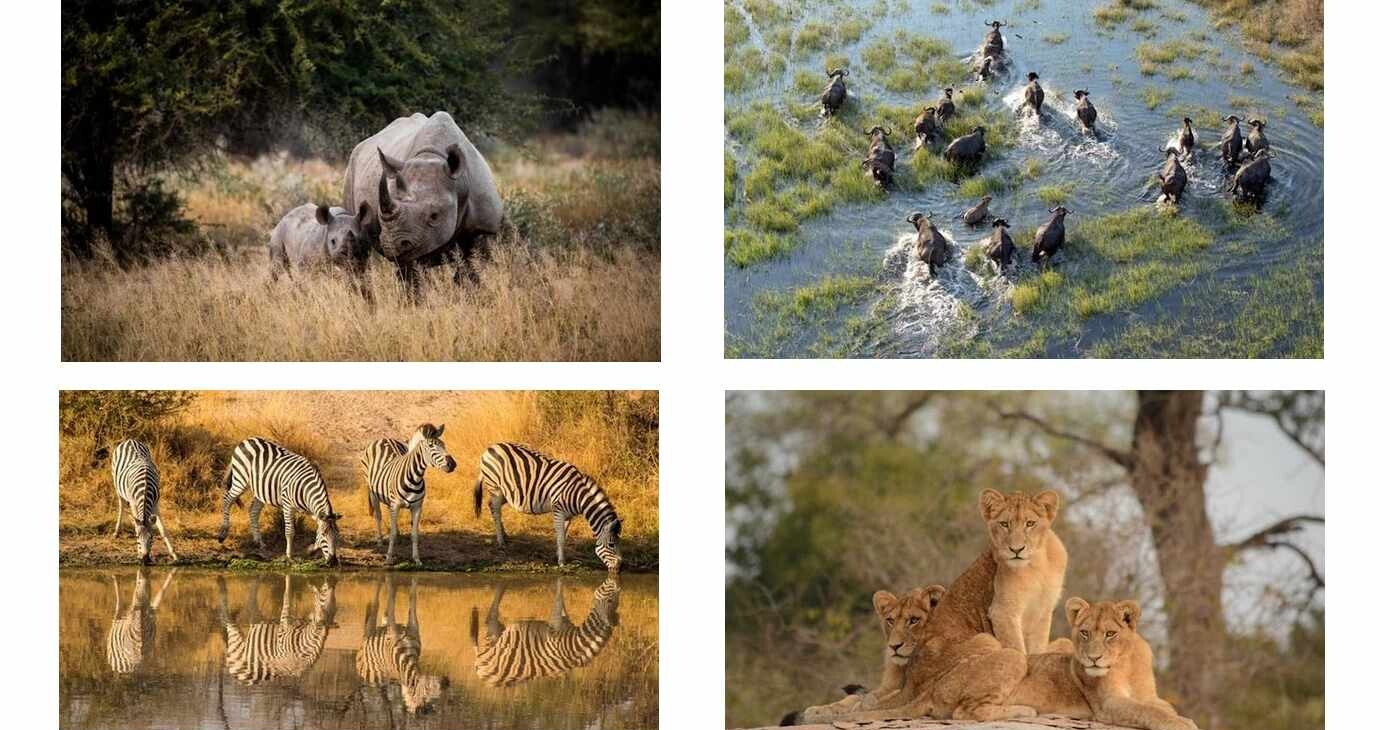
A century later, the park has proven that vision prophetic. Kruger now hosts more species of large mammal than any other place in Africa, along with hundreds of bird, reptile, and plant species that spill across borders into three nations. The protected area welcomes 2 million visitors annually, balancing the seemingly impossible tension between wilderness preservation, rigorous conservation science, and genuine public access—a feat that has made Kruger a model for protected areas across the continent.
Minister Aucamp spoke at Sunday's celebration with evident emotion about the weight of stewardship: "As a united people, we are celebrating this success story, realizing we have the responsibility to take this forward to another 100 years so that our grandchildren and great grandchildren can see what it is like to see when a herd of elephant is walking and hear lions roar in the most pristine natural area in the world."
That forward momentum extends beyond nostalgia. Just two days before the anniversary, South African National Parks and the Ministry signed the Beneficiation Scheme Framework Agreement with seven communities historically living in and around the park—a shift that acknowledges a hard truth: genuine conservation at this scale requires that the people whose ancestors inhabited this land share in its benefits and future.
"This beneficiation agreement represents shared commitment to transforming natural resources into lasting opportunities for you, the beneficiaries, and your future generations," Aucamp said at the ceremony, signaling that Kruger's second century will be written not by preservation alone, but by reconciling ecological protection with economic justice for neighboring communities.
For a century, Kruger National Park has been Africa's experimental laboratory—testing conservation techniques, pioneering wildlife research, and quietly proving that humans can coexist with wild spaces on an ambitious scale. As it steps into its second hundred years, the park faces questions about climate resilience, human-wildlife conflict, and equitable resource distribution that will define conservation everywhere. What happens next at Skukuza and beyond will shape whether Africa's wild legacy is merely preserved or genuinely thrives alongside the aspirations of the people who share its boundaries.