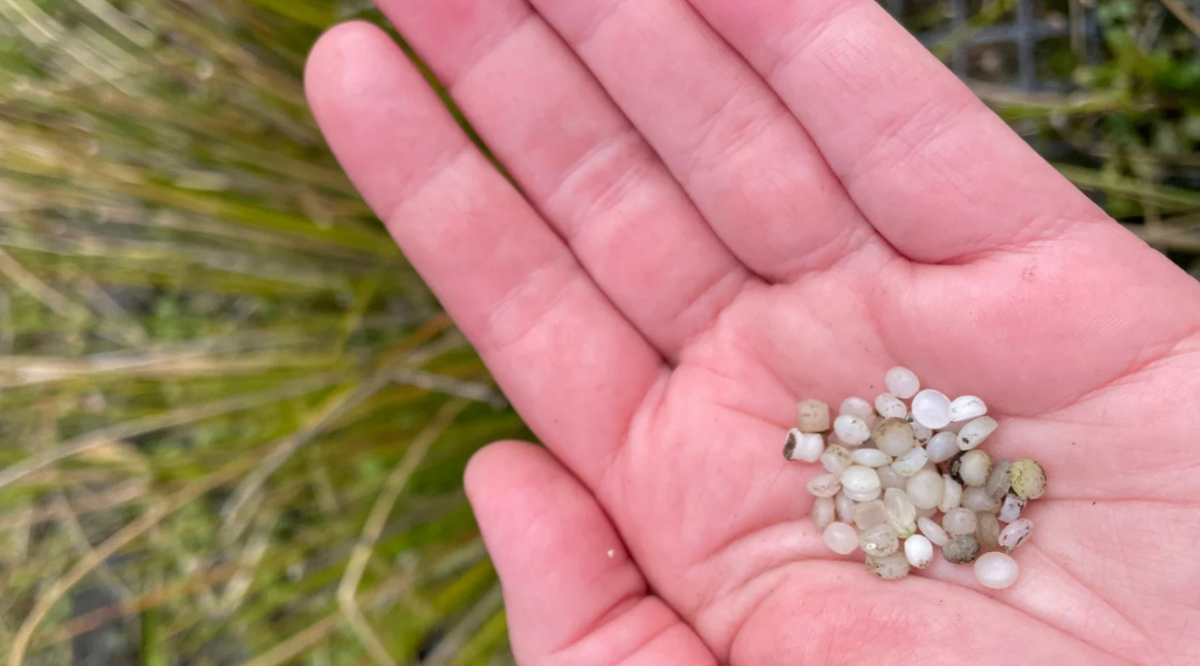
Plastic pellets the size of lentils and grains of rice are moving through Illinois's waterways at a staggering scale—22 million pounds of plastic waste ends up in the Great Lakes every year—and until recently, no state bordering those vast freshwater systems had legal authority to stop them. This week, Illinois changed that. The state legislature passed HB4418 just days before the end of its 2026 session, becoming the first Great Lakes state to designate pre-production plastic pellets as pollutants and empower the Illinois Environmental Protection Agency to enforce rules preventing their release into the environment.
The pellets, sometimes called "nurdles," are the raw material for thousands of everyday plastic products. They travel in massive drums—themselves once nurdles—across the globe, spilling during manufacturing, transport, and storage. Because they are so small and light, wind carries them into waterways. Stormwater runoff sweeps them from factory floors into drains. Trucks, trains, and ships lose them in transit. And once they enter an ecosystem, they nearly never leave. Their size makes cleanup nearly impossible, and their tendency to travel great distances means a spill in one location can contaminate waterways hundreds of miles away.
For wildlife, the damage is both immediate and insidious. Fish, birds, and turtles mistake the pellets for food. Ingesting too many can cause starvation, suffocation, or poisoning. Scientists have documented that even small amounts of plastic alter fish behavior. The pellets themselves leach toxic additives—and absorb existing toxins from the environment, including DDT, PCBs, and mercury—making them concentrators of poison that bioaccumulate up the food chain. A recent report found microplastics in 100 percent of tested waterways across Illinois. On Great Lakes beaches, 86 percent of collected litter is plastic.
Emily Kowalski, associate director of Environment Illinois, put it plainly: "Once you see them, you see them everywhere." That pervasiveness is why HB4418 matters. The legislation directs the Illinois EPA to develop rules that shift responsibility onto producers and transporters. Companies that handle industrial plastic pellets will now be required to have plans to prevent spills. Polluters will be held accountable—a sharp reversal from the current system where these barely visible contaminants slip into water with near-total impunity.
Andrea Densham, director of regional government affairs at the Alliance for the Great Lakes, noted that industrial plastic pellets are found in every Great Lake. The problem was invisible largely because the scale of the issue was hidden; the pellets themselves are invisible to the naked eye. Now, with Illinois's action, other states have a legal framework to follow. The passage of this bill signals a broader shift toward holding polluters accountable for what were once considered acceptable losses in the manufacturing process.
Jen Walling, CEO of the Illinois Environmental Council, called the moment part of a larger pattern: "Increasingly, Illinois is adopting policies that hold polluters accountable for the irresponsible and dangerous pollution they impose on our families and neighbors." As climate change intensifies stormwater events, the risk of plastic pellet spills will only grow. Illinois's decision to act first in the Great Lakes region may prove to be a turning point—the moment when an invisible pollutant finally became impossible to ignore.