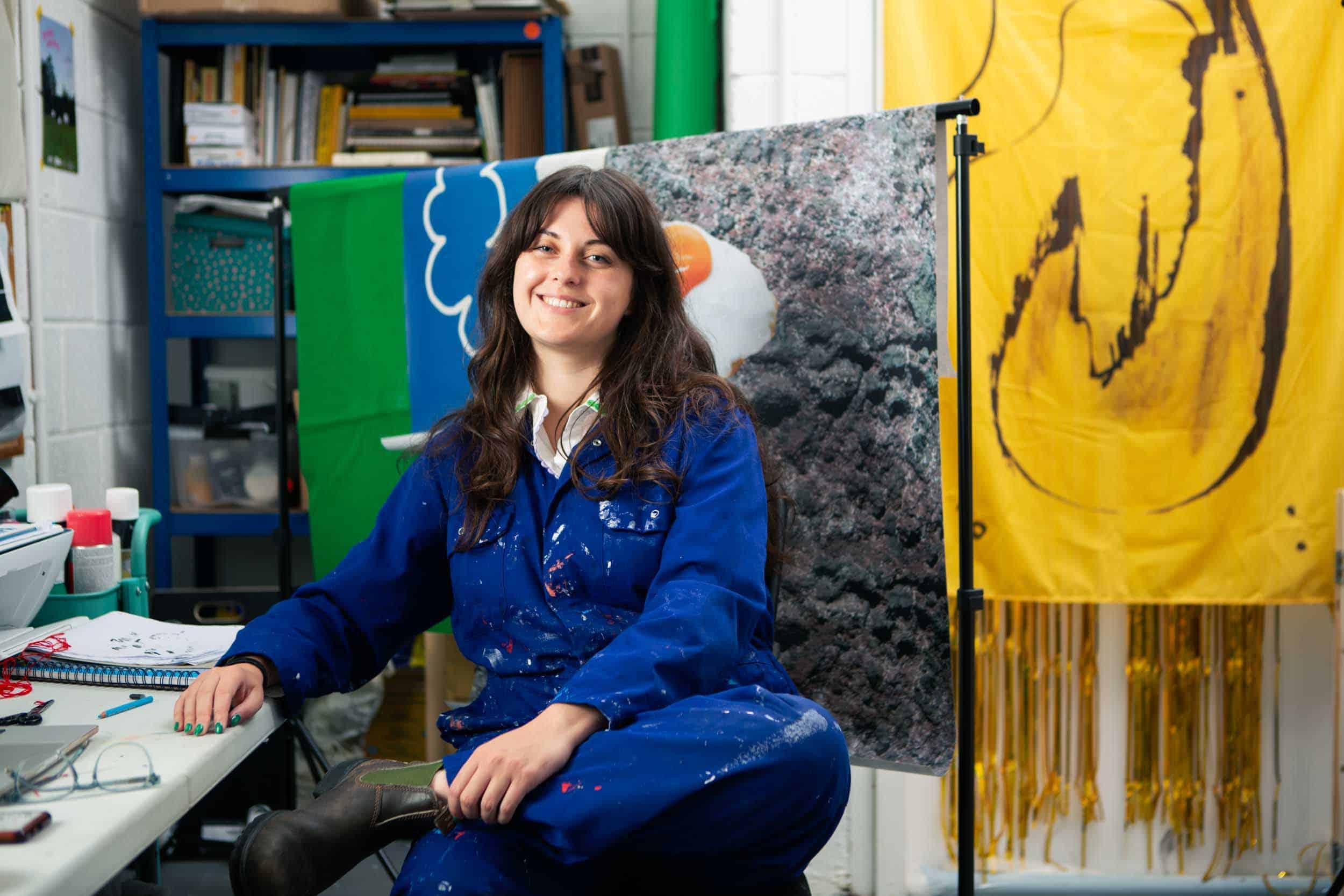
Elinor O’Donovan used to clock in as a receptionist just to keep the lights on in her Cork studio. Today, she’s making films, building immersive installations, and working full-time as a multimedia artist—all because Ireland gave her time and space to create. In 2022, the Irish government launched a groundbreaking basic income pilot for artists, offering €325 a week to over 2,000 creatives. The results were so transformative that in February, Ireland made the scheme permanent—the first basic income program of its kind in the world to achieve that status. Backed by a €25 million investment, the initiative didn’t just change lives; it generated €100 million in social and economic returns, proving that supporting artists isn’t charity—it’s smart policy.
At a time when grassroots music venues are vanishing, streaming pays pennies, and AI threatens to upend creative work, the message from Ireland is clear: culture needs breathing room. The UK, by contrast, has seen its arts budgets slashed—Birmingham, for instance, has eliminated its entire arts funding—despite the undeniable economic power of creativity. Just look at Black Sabbath’s final concert, which poured £20 million into the local economy, or Oasis’ reunion tour, which delivered a £1 billion boost nationwide. Yet, as Arts Emergency’s Neil Griffiths points out, only one in ten UK cultural workers come from working-class backgrounds. “Imagination and creation are products of time and space,” he says, “but there isn’t the time and space anymore.”
The Irish model offers a blueprint. Artists like O’Donovan didn’t just survive on the income—they thrived. She hired collaborators, experimented with new mediums, and expanded her practice in ways that wouldn’t have been possible while juggling survival jobs. Others, like timber installation artist Tobias Prytz in Norway, benefit from similar long-standing systems, receiving around 330,000 NOK (£25,600) annually. These investments don’t just uplift individuals; they ripple outward, enriching communities, driving tourism, and fueling innovation. Even critics who question funding artists amid rising homelessness must reckon with the data: this program paid for itself four times over.
Now, as other nations watch and debate, Ireland has shown that when you trust artists with stability, they deliver far more than art—they deliver value, vision, and vitality. The question isn’t whether we can afford to support creativity. It’s whether we can afford not to.