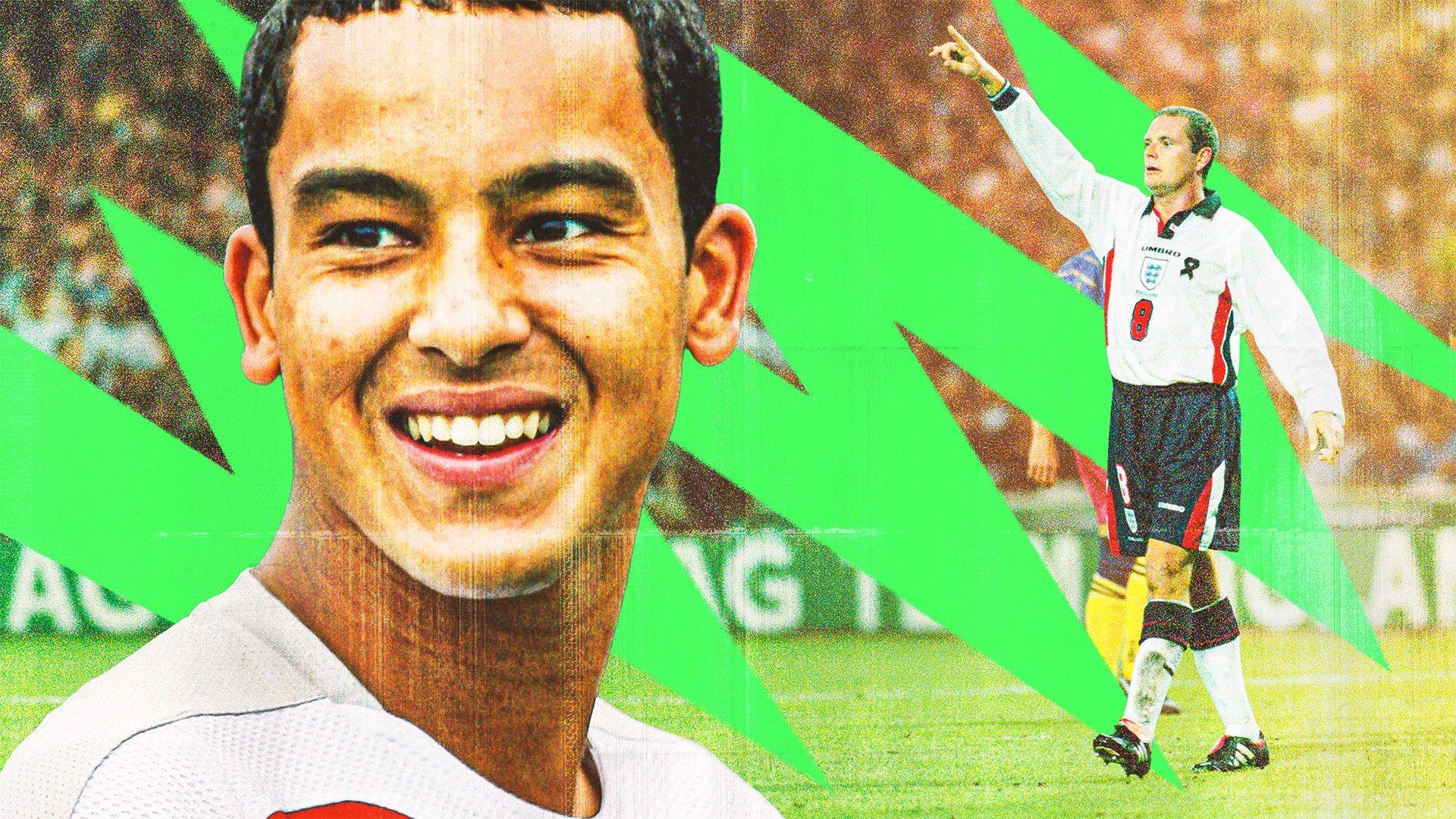
The phones of 55 England footballers sat silent and heavy in their owners' hands as they waited for news that would reshape the trajectory of their careers. By Friday, when Thomas Tuchel publicly announced his final 26-man World Cup squad, every single one of them would know their fate—the elation of making the plane to the US, Canada and Mexico, or the crushing despair of staying home. BBC pundits Micah Richards, Joe Hart, Theo Walcott and Stephen Warnock have all lived through that moment of truth, and their stories reveal just how much weight a single phone call can carry.
For Richards, that call came not from Roy Hodgson directly, but from Stuart Pearce, Hodgson's predecessor. It was May 2012, two days after Manchester City had clinched the Premier League title with the famous "Aguero moment," and Richards had spent 48 hours celebrating. He had 23 starts for City that season under his belt, and his main rival for the right-back position, Kyle Walker, was injured. He was certain the call would bring good news. Instead, Pearce delivered the news that Hodgson had no place for him in the Euros squad. Richards could barely speak. "I didn't know what to say—I just wanted to cry," he remembered. "I look back now and think Roy should have called me himself."
The omission would haunt Richards far longer than that first conversation. Pearce offered him a standby spot, but Richards chose instead to commit to the London Olympics with his former boss. The media narrative that followed proved devastating: reports suggested he had rejected his country, that he felt too good to be on standby. Richards, sitting at home reading those headlines, felt his international future slipping away before his eyes. Hodgson never selected him again. What Richards had imagined would be a career spanning 70 or 80 caps ended at just 13, his final appearance coming when he was only 23 years old.
Stephen Warnock's wait for the phone that came ahead of the 2010 World Cup in South Africa was equally agonizing, though for different reasons. Competing with Everton's Leighton Baines for the understudy spot to Ashley Cole, Warnock knew the call would come on a specific day, from a specific number, before a specific time. He waited at home, watching the clock. Yet he had reason to doubt. His England career to that point consisted of seven minutes against Trinidad and Tobago in June 2008. He had arrived in Austria for the pre-tournament camp nursing an ankle injury picked up in Aston Villa's final game of the season. While Baines played in both warm-up matches, Warnock limped through training sessions, receiving physio every hour he could manage, desperate to prove his fitness. When Capello left him unused in both games against Mexico and Japan, Warnock was convinced he was done.
These moments—suspended between hope and heartbreak—are the invisible stories behind every World Cup squad announcement. The joy and despair Richards and Warnock experienced reveal the precarious nature of an athlete's career, how quickly fortune can shift on the strength of a single decision, and how the way that decision is communicated can echo for years. For these players, that phone call wasn't just about a tournament. It was about legacy, identity, and what might have been.