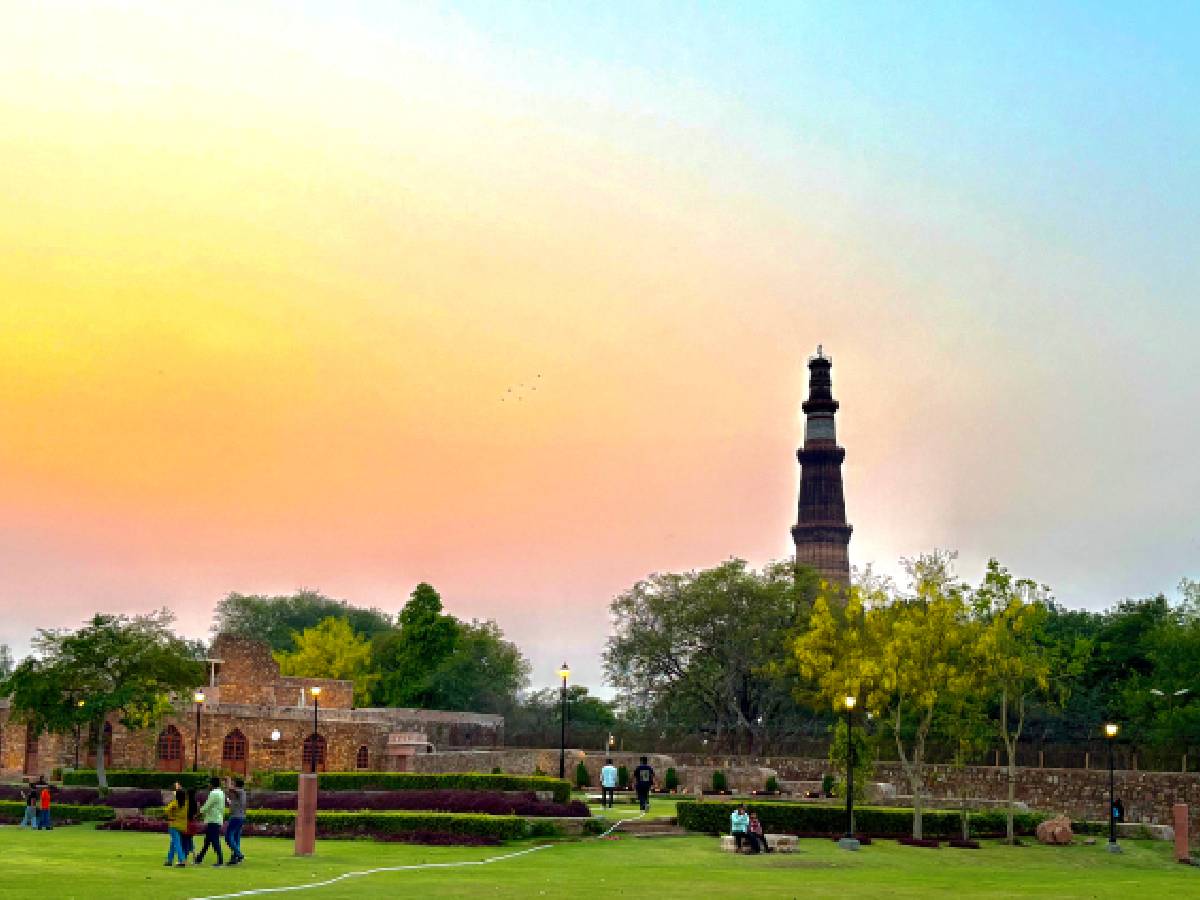
In the shadow of Delhi's towering monuments, centuries-old stepwells, forgotten mosques, and crumbling Mughal tombs are breathing new life as multiple restoration agencies race to preserve the city's layered heritage before urban expansion erases what remains. Over the last three years, the Archaeological Survey of India, the Delhi Development Authority, and other civic bodies have undertaken coordinated conservation work across sites that had languished in neglect for decades—and the results are transforming how the capital reconnects with its past.
Delhi carries over a thousand years of history in its stones. The city is home to more than 1,200 recognized heritage structures, including three UNESCO World Heritage Sites: the Red Fort, Humayun's Tomb, and Qutub Minar. Four historic urban landscapes—Mehrauli, Nizamuddin, Shahjahanabad, and New Delhi—are now being proposed as a World Heritage City because of their outstanding universal significance. Yet beneath this prestige lies an urgent challenge: monuments are slowly crumbling under pollution, weather, neglect, and the relentless pressure of a sprawling metropolis.
The restoration work speaks to something deeper than aesthetics. As one ASI official explained, "These monuments reflect history. They help people understand the lives, traditions, and cultures of different eras." Old buildings trace the transformation of cities and societies over centuries, reflecting prosperity, conflict, war, and the economic conditions of their time. In a city like Delhi, heritage structures are not merely tourist attractions—they are visual records of civilization itself.
The transformation of the Dilkusha Complex in Mehrauli Archaeological Park exemplifies what determined restoration can achieve. Once the 1840s retreat of Thomas Metcalfe, a colonial administrator who had reimagined old Mughal tombs as English-style leisure spaces, the complex—including the Boat House, Circular Dining Room, and Guest House—had deteriorated into crumbling ruins hidden beneath thick vegetation. Through coordinated efforts by multiple agencies, the heritage complex was restored within just seven months and reopened to the public. The restored Circular Monument now houses Café Stone, while the Metcalfe Guest House is becoming an interpretation centre showcasing the park's history. The historic water body beside the Boat House, once choked with silt and debris, has been rejuvenated through desilting, restored water channels, fresh landscaping, and continuous water supply.
Equally compelling is the revival of Rajon Ki Baoli, a stepwell built in 1506 and located inside Mehrauli Archaeological Park. One of Delhi's finest surviving stepwells, it was historically used both as a water reservoir and a resting space during summers. Designed across four descending levels that gradually narrow toward the well, the structure features symmetrical arches, pillars, and inner chambers. Niches built into the walls for oil lamps suggest the baoli once hosted social and cultural gatherings. After remaining neglected for more than two decades, the ASI undertook extensive restoration and desilting work, removing debris and stagnant water, strengthening damaged stone structures, and improving drainage systems in coordination with the Delhi Jal Board.
The restoration work extends to lesser-known monuments like Bijri Khan's Tomb, Bara Lao Ka Gumbad, and the Mosque of Darwesh Shah. Treatment has included whitewashing, chemical removal of algae and black stains, and landscaping to improve appearance and visitor experience. As the ASI official noted, limestone monuments are especially vulnerable during monsoon seasons, making preventive care essential. These efforts aim not only to preserve architecture but to reconnect younger generations with Delhi's forgotten history—ensuring that the city's thousand-year narrative remains visible and alive for centuries to come.