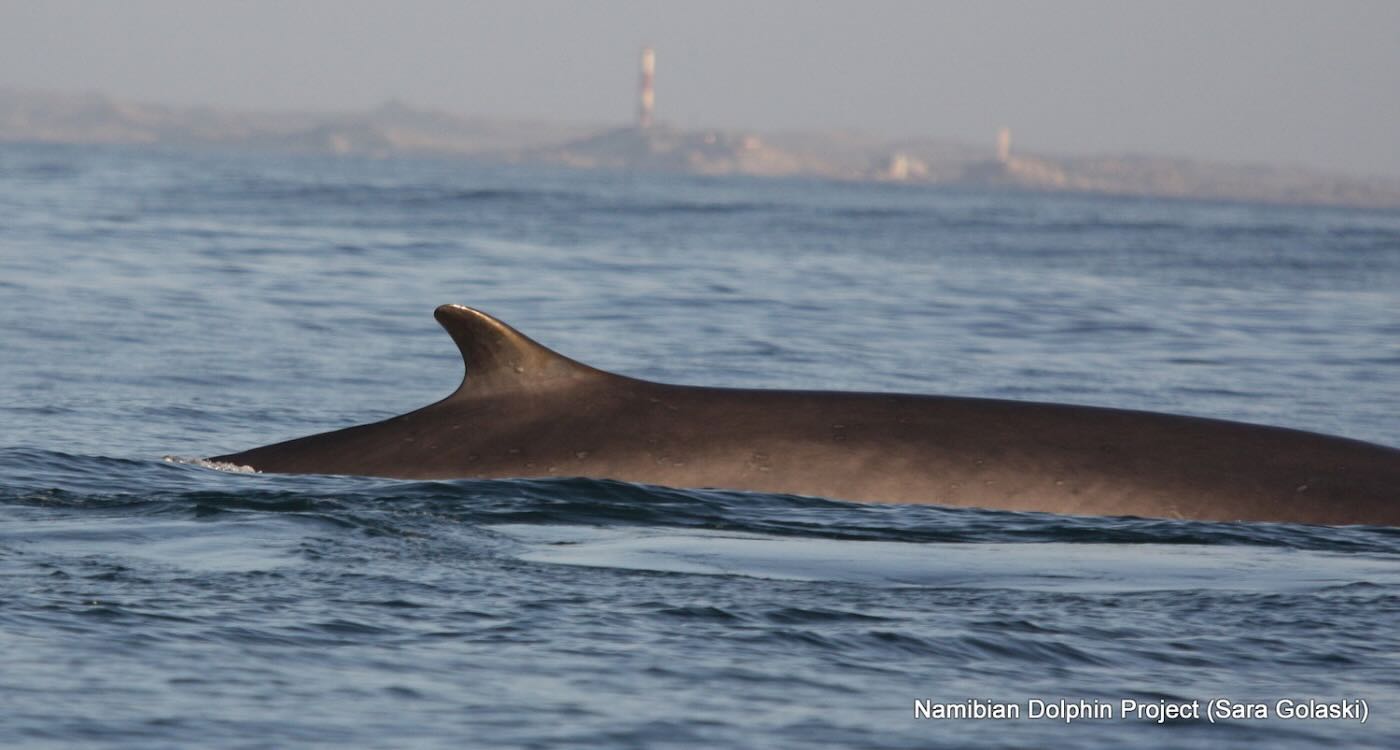
Twelve sightings of blue whales in sixty years sounds like failure, but it signals something close to a miracle. More than four decades after commercial whaling ended, these ocean giants are creeping back into waters they vanished from a century ago—a slow, fragile recovery that researchers say proves even the most devastated populations can rebuild if given protection and time.
The southeastern Atlantic, off the coasts of Namibia and South Africa, was once a thriving nursery ground for blue whales and fin whales, the world's two largest species. Between 1913 and 1978, industrial whalers killed an estimated 350,000 blue whales and 725,000 fin whales, reducing populations to a fraction of their original numbers. For decades afterward, these waters fell silent. But new research analyzing six decades of confirmed sightings and strandings—from 1964 through March 2025—reveals that both species are beginning to return.
The data tells a story of recovery measured in small but consistent increments. Across the sixty-year period, researchers documented 12 sightings of blue whales, one stranding, and five additional published records. Fin whales appeared far more frequently, with 76 sightings and six strandings documented. What matters most is the timeline: 95 percent of all observations were recorded since 2012, indicating a marked increase in recent years. Blue whales tend to appear between late spring and autumn, while fin whales occur year-round in the region.
"Our results provide important evidence that these giants of the ocean are slowly recovering from the devastating impact of 20th century commercial whaling, which pushed them to the brink of extinction," said Dr. Bridget James, the study's lead author from the University of Cape Town. The research, to be published in the African Journal of Marine Science, focused on the Benguela upwelling ecosystem, a nutrient-rich region that scientists believe was historically crucial for breeding and feeding.
The numbers paint a cautious picture. Antarctic blue whales remain critically endangered, with current populations estimated at only about 3 percent of pre-whaling levels, though they are increasing at roughly 5 to 8 percent annually. Fin whales have fared somewhat better, classified as vulnerable with populations thought to have recovered to more than 30 percent of historical levels and growing at around 4 to 5 percent each year. These are glacial rates of recovery, yet they represent genuine progress where none seemed possible.
Dr. Simon Elwen, a co-author from the University of Stellenbosch, emphasized that "as populations slowly rebuild, we would expect to see these whales begin reoccupying parts of their historical range." The increase in sightings and strandings aligns with this gradual expansion, though researchers note that expanded observation efforts may also contribute to more frequent reports.
The threats have not disappeared. Ship strikes, entanglement in fishing gear, pollution, and climate-driven changes to ocean ecosystems continue to endanger large whales. Yet the researchers are cautiously optimistic. They recommend expanding passive acoustic monitoring, increasing trained observer coverage in commercial shipping sectors, and incorporating whale distribution data into marine spatial planning. These steps could accelerate recovery while protecting these returning giants from modern hazards. After a century of near-total loss, the southeastern Atlantic is slowly becoming a whale sea once again.