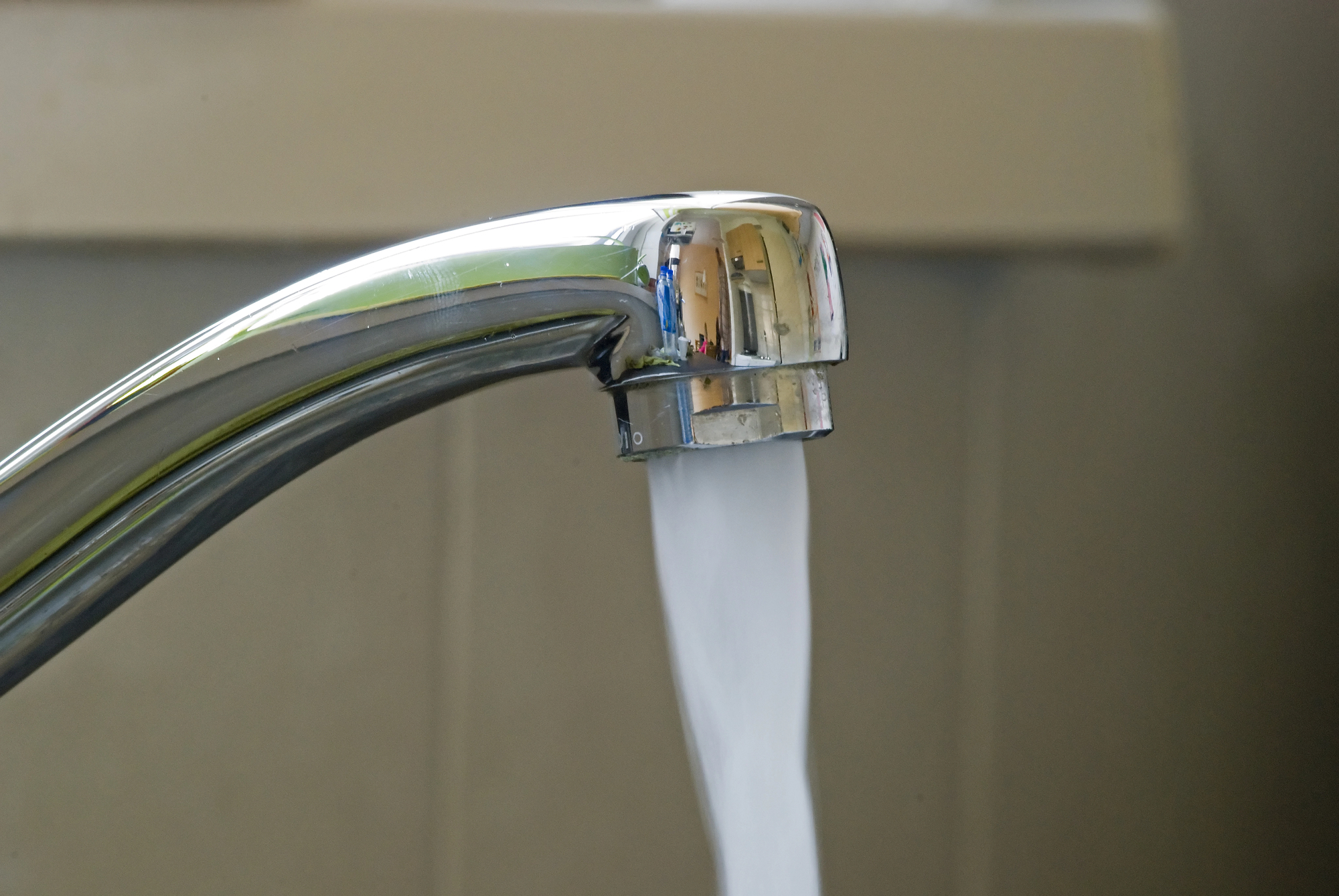
Six years ago, if you lived in a rural village in India and wanted water, you probably walked to a well, a pond, or a neighbor's house. Fewer than one in six homes had a tap. Today, that picture has flipped — more than four in five rural homes now have their own tap water connection. The change means 124 million additional households have clean water flowing into their homes since 2019.
The program is called the Jal Jeevan Mission, which translates to "water for every home." It launched in August 2019 with a big goal: make sure every rural household in India has safe tap water. At the start, only 32.3 million homes, about 16.7 percent, had it. As of mid-July, 156.7 million of India's 193.6 million rural households now have tap water. Minister V. Somanna confirmed these numbers in a written statement to India's Rajya Sabha, the country's upper parliament chamber.
Getting here wasn't easy. The central government worked together with state governments to build pipelines, treatment plants, and connections in some of the world's most populated and diverse terrain. When the COVID-19 pandemic hit and supply costs went up, the program adjusted its funding rules in June 2022 to make more central money available. Government officials held regular reviews with each state and sent field teams to help regions that were falling behind.
But are the taps actually working? An independent study in 2022 checked up on the homes that got connections. Out of households with taps, 86 percent had water flowing. Of those, 85 percent were getting enough water, 80 percent had water on a regular schedule, and 87 percent met quality standards. Those numbers show the pipes aren't just installed — they're actually delivering.
A new assessment is underway for 2024, and detailed information by district and village is available to the public online. That transparency means citizens can check whether their own community is getting what was promised.
For the 124 million families who now have taps at home, this change means no more long walks to fetch water, especially for women and girls who shoulder most of that burden in rural areas. It means safer water, fewer waterborne illnesses, and more time for school and work. The mission isn't finished yet — about 37 million rural homes still need connections — but the scale of what's already been done makes this one of the largest public water infrastructure programs in history.