Kirti Vardhan Singh knelt in the black volcanic soil of Hafnarfjordur, Iceland, and gently patted down the roots of a young English Oak. The moment, quiet and deliberate, was more than symbolism—it was a promise. As India’s Minister of State for External Affairs and Environment, Forest and Climate Change, Singh was in Reykjavik not just to plant a tree, but to grow a partnership.
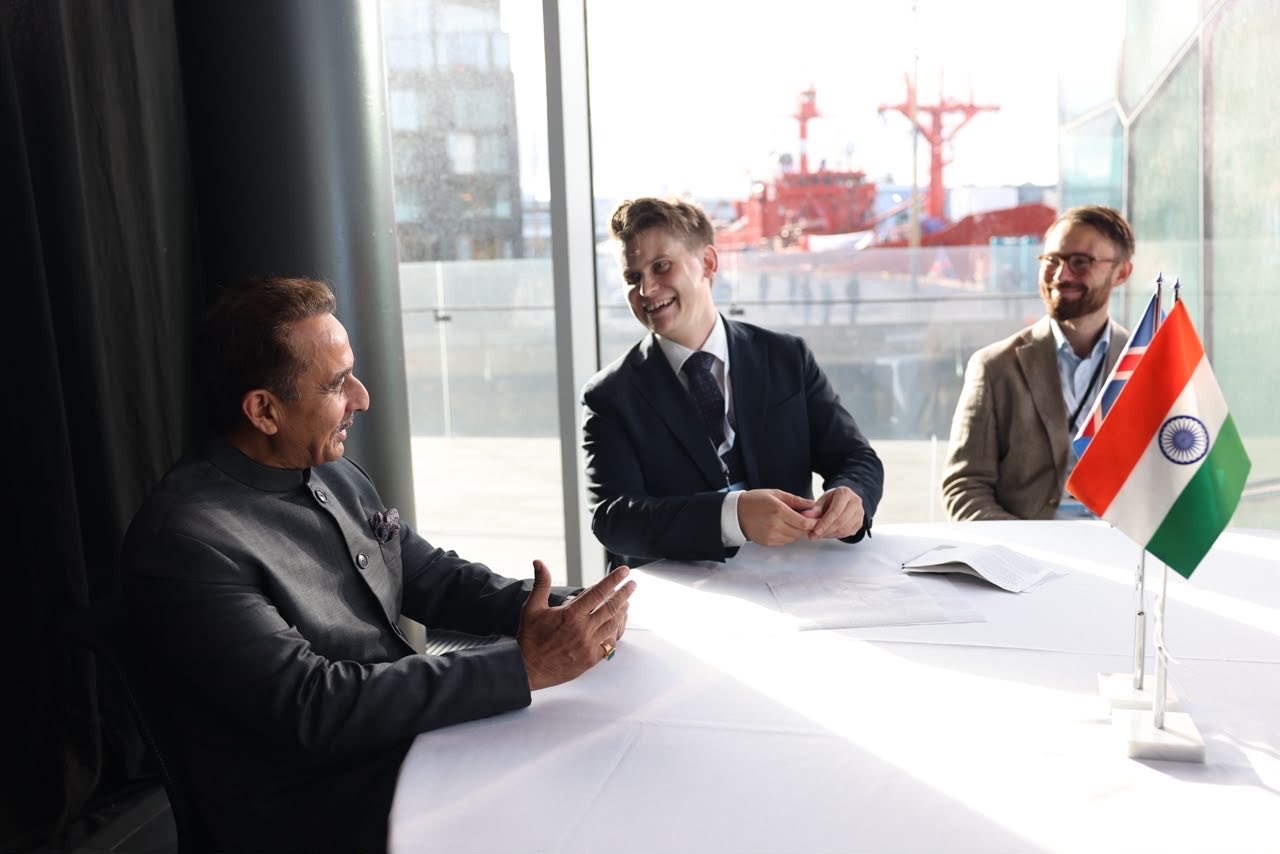
India and Iceland, two nations separated by thousands of miles but united by shared climate goals, sat down for a ministerial meeting to deepen cooperation in clean energy and sustainable development. Singh met with Iceland’s Minister for the Environment, Energy and Climate, Johann Pall Johannsson, just days after Johannsson returned from the 2nd India-EFTA Prosperity Summit. Their conversation was forward-looking: how can two countries with vastly different landscapes learn from each other in the race toward a greener future?
One answer lies beneath Iceland’s surface—literally. Singh visited the Hellisheidi Power Plant, one of the world’s leading geothermal energy facilities. There, steam rises from deep within the Earth to generate electricity and heat homes without burning fossil fuels. Iceland now meets over 85% of its primary energy needs from renewable sources, with geothermal playing a major role. For India, which aims to achieve 500 gigawatts of renewable energy by 2030, the lessons are invaluable.
The tree Singh planted ties directly to Prime Minister Narendra Modi’s ‘Ek Ped Maa Ke Naam’ initiative—planting trees in honor of mothers to promote environmental awareness. This single sapling by Lake Hvaleyrarvatn joins millions planted across India, each a small act with long-term roots.
Beyond energy, Singh also represented India at the Arctic Circle Assembly, emphasizing the country’s science-first approach to Arctic research. As an Observer State, India is expanding its scientific footprint in the region, studying climate impacts and supporting sustainable development through global collaboration.
This visit wasn’t about grand announcements or sweeping treaties. It was about quiet, practical steps—sharing knowledge, planting trees, touring power plants. It was about two nations, one small and one vast, agreeing that the path to a stable climate is built on innovation, respect for nature, and mutual learning. And as the English Oak takes hold in Icelandic soil, it stands as a living reminder: the future grows from what we plant today.