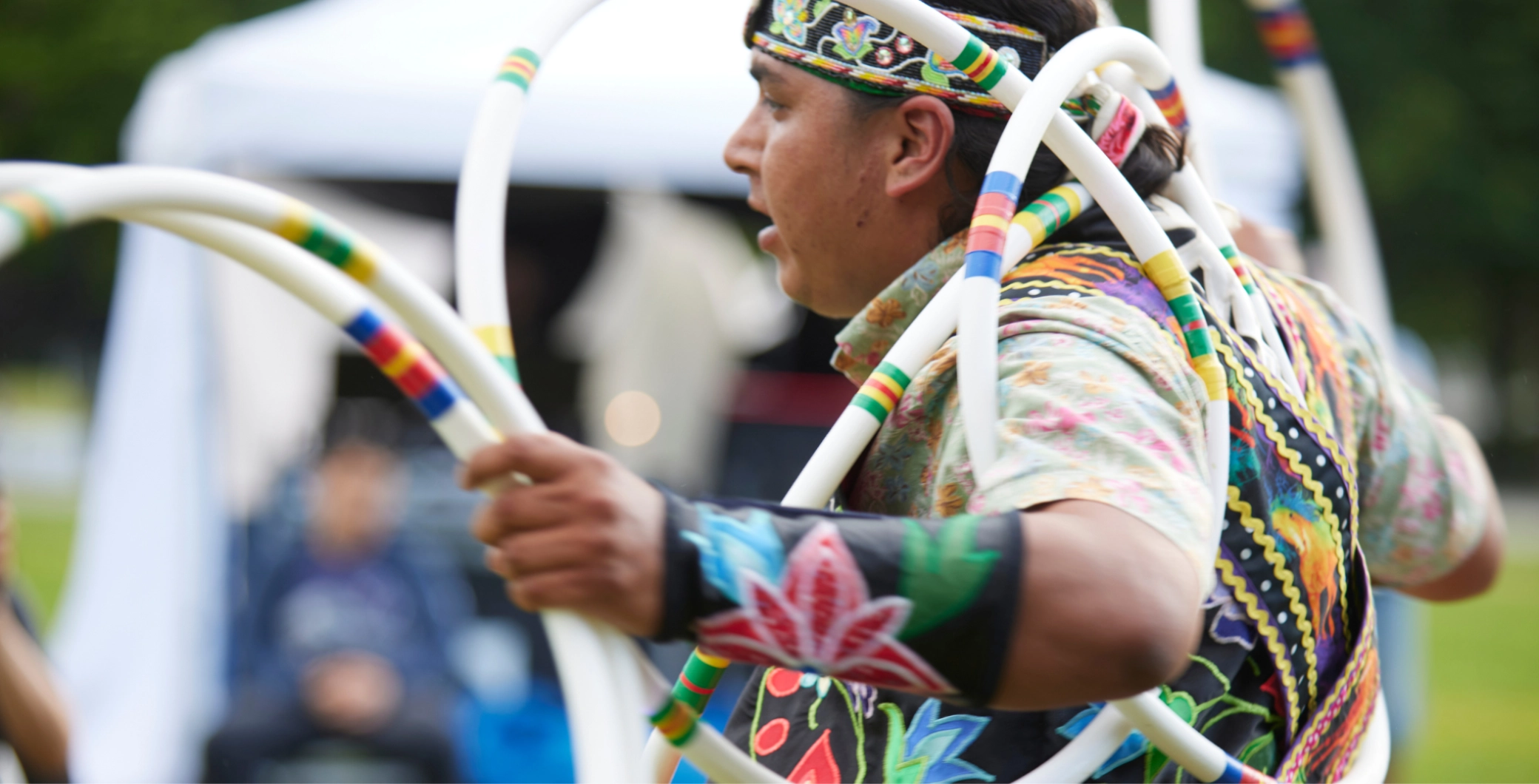
Blaize Exeter will be among the thousands gathering at Biidaasige Park on June 20, 2026, as the sun arcs high over Toronto and the rhythms of drumming echo through the trees—marking the return of the Indigenous Arts Festival, a vibrant celebration of First Nations, Inuit, and Métis cultures from across Turtle Island. Now an annual cornerstone of the city’s cultural calendar, the festival transforms the park into a living canvas of song, dance, art, and community, inviting everyone to witness and participate in the enduring and evolving traditions of Indigenous Peoples. At a time when reconciliation requires more than words, this festival offers a space where culture becomes connection, and celebration becomes education.
From 11 a.m. to 9 p.m., the festival unfolds in layers: first with workshops that invite participation, then with dynamic performances that command attention. Early risers can learn Métis jigging, Inuit drum dancing, and Pow Wow social dances from 11 a.m. to 1 p.m., guided by knowledge keepers and performers who carry these traditions forward. Later, from 2 p.m. to 5 p.m., attendees can try lacrosse—a game rooted in Indigenous history—hoop dancing, or even join a Pow Wow boot camp to prepare for the evening’s communal dances. Throughout the day, the artisan and food markets buzz with activity, offering handcrafted beadwork, jewelry, visual art, and garments that blend ancestral techniques with modern expression. The food stalls serve up bannock, wild rice bowls, and other Indigenous culinary traditions, grounding the experience in flavor and history.
As dusk settles, the main stage comes alive with some of the most celebrated voices in contemporary Indigenous music. Multi-Juno Award-winning Inuk artist Susan Aglukark brings her powerful fusion of folk, pop, and Inuit storytelling, while Mohawk rock musician Derek Miller delivers high-energy performances that honor his heritage and amplify Indigenous pride. They’re joined by other Juno-nominated artists, creating a night of music that resonates across generations. Every beat, every note, every shared story reinforces the festival’s deeper purpose: to center Indigenous voices on their own terms.
Free and open to all, the Indigenous Arts Festival is more than entertainment—it’s a living act of cultural resilience. It draws people not just to observe, but to engage, to learn, and to stand in solidarity. As Toronto continues to reckon with its relationship to the land and its original stewards, events like this offer a joyful, unifying path forward. In the laughter of children trying hoop dancing, the pride in an elder’s drumbeat, and the shared silence during a story well told, the festival builds bridges—one moment at a time.