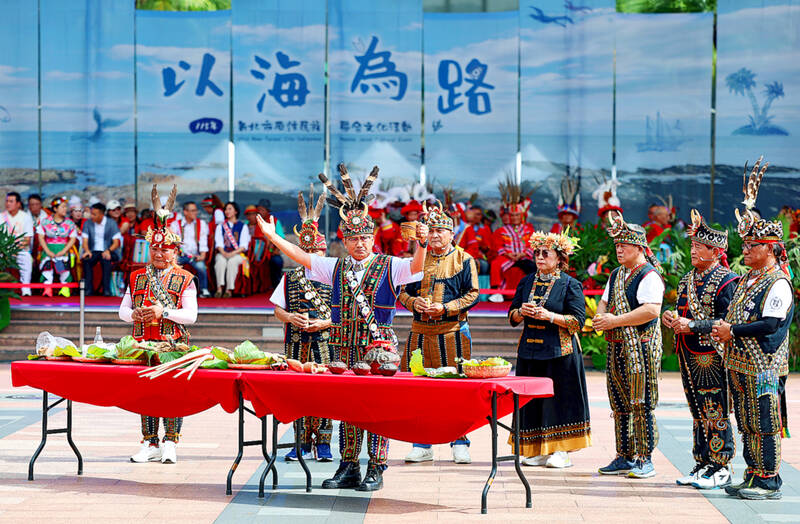
On a bright weekend in New Taipei City, the Paiwan people gathered to bless the ocean and share their culture with anyone willing to listen. The occasion was the New Taipei City Indigenous Peoples' Joint Cultural Festival, where this year's theme — "The Sea as Our Path" — turned a city park into a stage for stories, songs, and ceremony that have traveled down countless generations.
The festival is part of a quiet but powerful effort across Taiwan: making sure the island's indigenous cultures are not just remembered, but truly shared. For the Paiwan, one of Taiwan's officially recognized indigenous groups, the sea has always been more than water. It is a road of memory, a source of food, and a living thread that connects villages along the coast. The blessing ceremony, performed by elders and community members, asked for safety and abundance on the waters — a tradition that predates written records and still holds deep meaning today.
Taiwan is home to 16 officially recognized indigenous peoples, each with its own language, customs, and way of seeing the world. For much of the island's modern history, these cultures were pushed to the edges — their languages discouraged, their ceremonies quietly fading. In recent years, that has begun to change. Cultural festivals like this one are part of a broader reckoning, an effort by both indigenous communities and the government to bring these traditions back into public life.
The choice of "The Sea as Our Path" as this year's theme is no accident. It points to the deep coastal knowledge that has kept indigenous communities connected to the Pacific for centuries — knowledge about tides, currents, and seasons that modern science is only beginning to fully appreciate. By inviting the general public into the celebration, the festival turns a private ceremony into an open conversation, letting Taiwanese and visitors alike see indigenous culture not as a museum piece, but as something living, breathing, and still very much underway.
For many in attendance, the most moving moment came during the blessing itself, when the rhythm of song mixed with the sound of waves nearby. It was a reminder that culture survives best when it is practiced, shared, and passed into new hands.
The festival does not end with one ceremony. Workshops, food stalls, and music performances continue through the weekend, each one offering another small doorway into a world of tradition. For the Paiwan, and for all of Taiwan's indigenous peoples, every public celebration is one more step toward a future where their heritage is not just respected, but embraced as part of what makes the island whole.