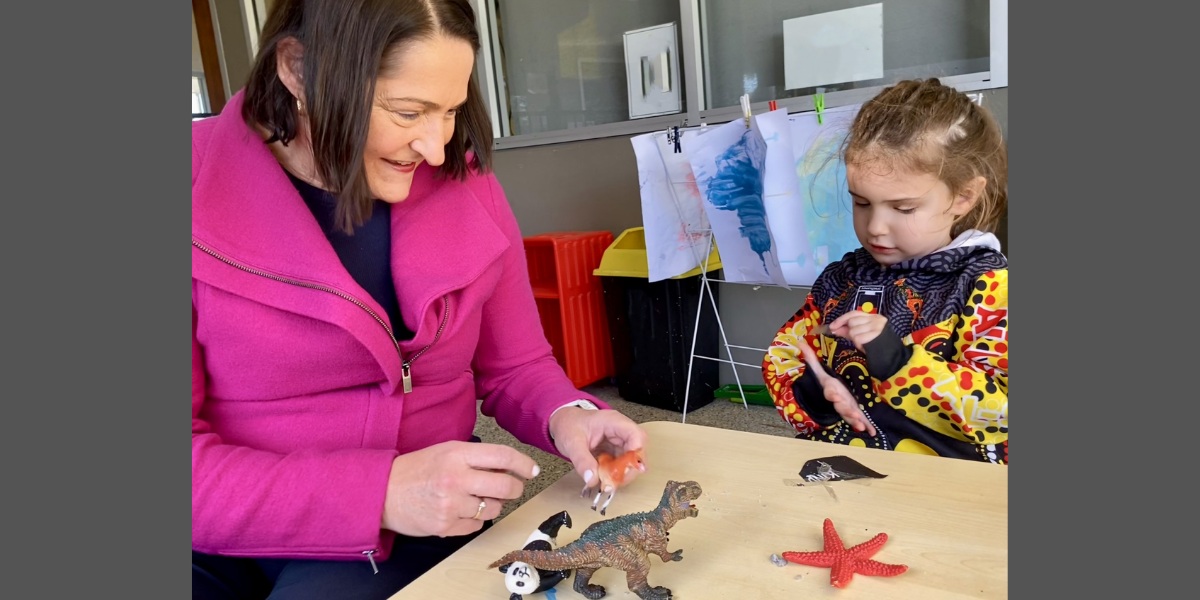
When Aunty Colleen stood in front of children at the Cullunghutti Centre and spoke the first Dharawal words of the day—"Yanama, ngarrang" (Hello, everyone)—she saw curiosity light up their faces. For decades, those words were rarely heard. Now, thanks to new federal support, they’re growing louder. In Shoalhaven, Australia, two Indigenous organisations are breathing life back into ancestral languages once pushed to the edge of silence.
Language is more than words—it’s identity, history, and belonging. When a language disappears, a whole way of seeing the world fades with it. That’s why the revival of the Dharawal language, spoken for thousands of years across this coastal region of New South Wales, matters deeply. Today, with fewer fluent speakers left, every lesson, every recorded story, and every child who learns a word helps stitch the past into the future.
The Cullunghutti Aboriginal Child and Family Centre is using a grant of $179,000 to expand its Dharawal language revival program. The funding will support language workshops, teacher training, and the creation of learning materials like storybooks and audio recordings. At the same time, Waminda, a leading Aboriginal women’s health and community organisation, is receiving $250,000 to weave language into cultural expression. Their project will include art workshops, songwriting, and storytelling events where local dialects are spoken, sung, and celebrated.
Both groups are part of the national Indigenous Languages and Arts program, a federal initiative that has funded over 130 language projects since 2018. In Shoalhaven, the impact is already visible. Elders are recording oral histories. Teachers are bringing Dharawal into preschool circles. Artists are painting with words as much as with colour.
The numbers tell a quiet but powerful story: more than $429,000 is now invested in just two local efforts to reclaim what was nearly lost. These are not just education projects—they’re acts of cultural healing. As Aunty Colleen says, "When our children speak Dharawal, they’re not just learning a language. They’re coming home."
This revival is not confined to Shoalhaven. Across Australia, communities are reclaiming over 100 Indigenous languages with support from the same national program. The momentum is growing. And with every new speaker, a thread of tradition is strengthened—tying young hearts to ancient roots in a way that textbooks never could.