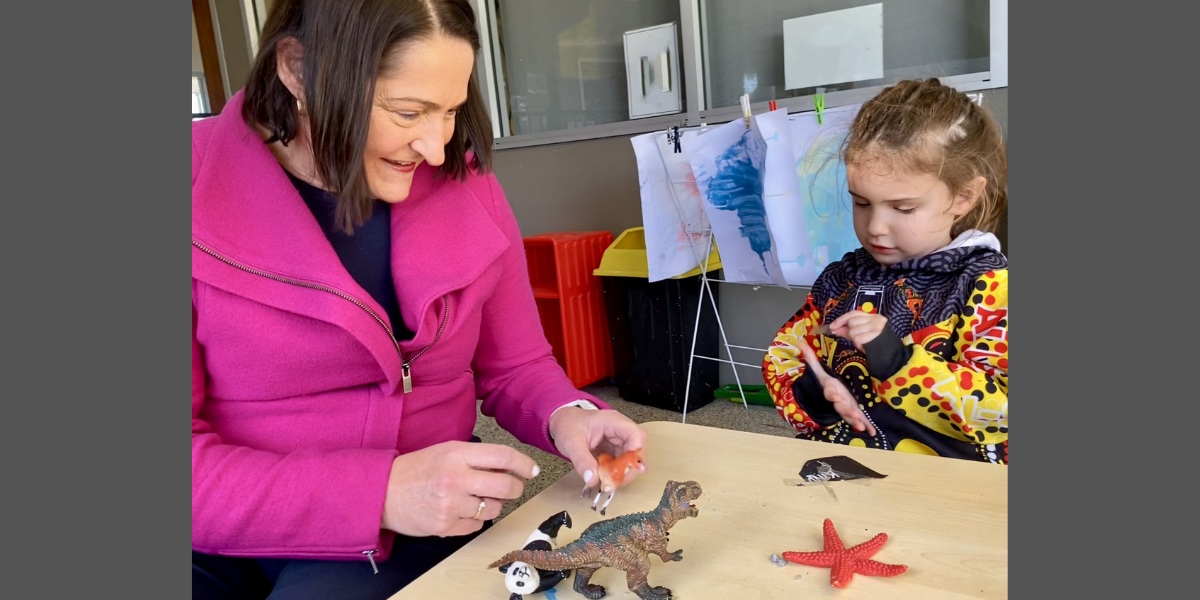
When Aunty Leanne Mulgo Watson sings Dharawal lullabies to children at the Cullunghutti Centre in Nowra, she’s not just soothing little ones—she’s stitching together threads of a language nearly lost to time. Now, with $179,000 in federal funding, her work will reach more families, schools, and elders across the Shoalhaven region. Another local organisation, Waminda, has also been awarded $250,000 to bring Dharawal and other local Indigenous languages to life through art, storytelling, and cultural workshops. These grants are part of a national effort to protect languages that carry thousands of years of knowledge, identity, and connection to Country.
For generations, colonisation and forced assimilation policies silenced Aboriginal voices, and with them, languages like Dharawal. Today, fewer than 10 fluent speakers of Dharawal remain. But in places like Shoalhaven, on the south coast of New South Wales, communities are fighting back—not with protests, but with song, story, and syllables passed from elder to child. The funding comes from the Australian government’s Indigenous Languages and Arts program, which has supported over 180 projects since 2018. Cullunghutti will use its share to train language teachers, create children’s books, and record elders’ memories in Dharawal. Waminda, a women-led Aboriginal health and wellbeing service, will weave language into art therapy, women’s circles, and youth programs, ensuring that language revival is also healing.
The impact goes beyond words. When children learn Dharawal, they’re not just picking up vocabulary—they’re reclaiming pride, belonging, and a sense of place. "Language is the heartbeat of culture," says Aunty Leanne. "When we speak Dharawal, we’re telling our children: you belong here, this land speaks your name." The $429,000 total invested in Shoalhaven is a small but powerful step in a much larger movement. Across Australia, more than 120 Indigenous languages are at risk, but thanks to community-led efforts, some once thought extinct are now being taught in classrooms and sung at welcome ceremonies.
This funding isn’t just about preserving the past—it’s about building a future where Aboriginal children grow up knowing the sound of their ancestors’ voices. As Waminda’s cultural lead, Dr. Rhonda Lovett, puts it: "Every word we revive is an act of resilience." With steady support, the whisper of Dharawal may soon grow into a chorus.